
(Please note: I am typing this Monday evening. This blog was posted Monday morning as usual, but for some unknown reason, it wasn’t sent out to our subscribers. Our IT department is looking into this glitch. I’m sorry for the inconvenience.)
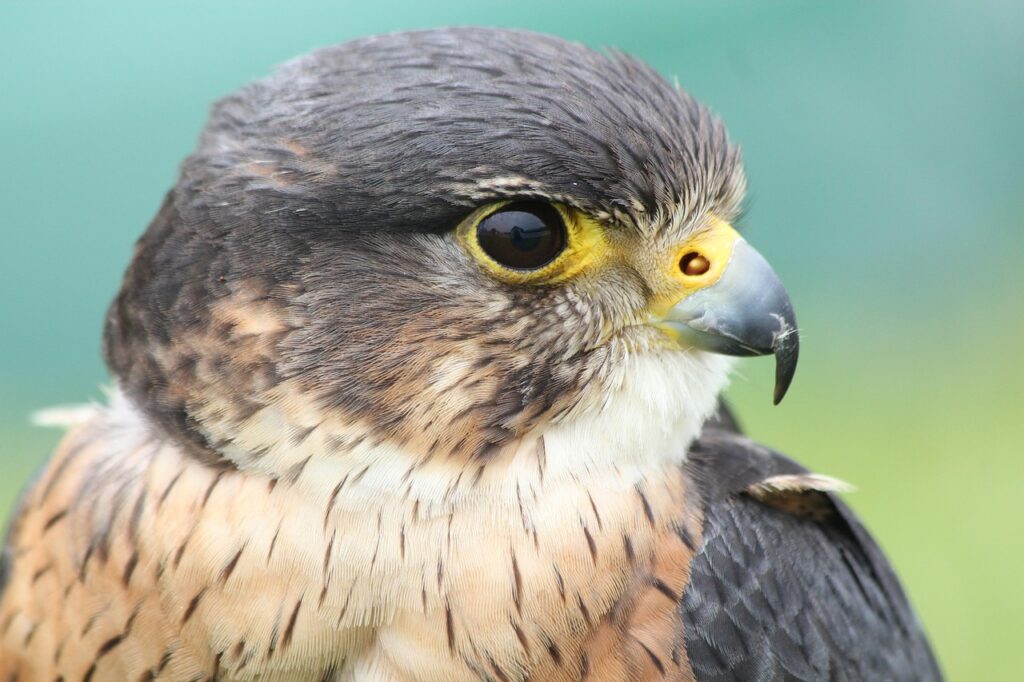
For the past two years, I have been been watching the Peregrine Falcon live-cam on top of the Mayo Clinic in Rochester, MN. I became acquainted with their falcon program while I was giving a retreat a couple of years ago for the Franciscan Sisters in Rochester. They are the Sisters who partnered with the Mayo brothers to establish the world-renowned Mayo Clinic. I wrote a blog on their incredible story. To access that post, go to the search box on the top right and type in “Mayo Clinic.”
I’ll begin by sharing a little history of the Mayo Clinic’s Peregrine Falcon program. In 1987, the Clinic partnered with the Midwest Peregrine Society to help save the peregrine falcon from extinction. The Mayo Clinic was a good site to put a nesting box. The tall buildings mimicked the falcon’s natural cliff habitat. In addition, there was ample food in the area–mostly pigeons and small birds–to raise a falcon family. So, a nesting box was placed on the roof of a 22 story Mayo Clinic building. The current falcon parents, Hattie and Orton, have been together for 11 years. During that time they have raised over 30 chicks. In fact, the couple likes their location so much, they no longer migrate. Instead, they stay in the area even during winter to prevent other birds from taking over their nesting site. Falcons usually claim a several mile radius around their nest.
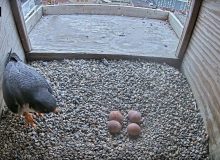
the nesting box on April 7, 2026.
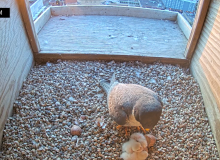
Last year Hattie and Orton raised two chicks. This year they have four. The live-cam runs 24/7 from February till about August. It features two alternating camera views: one from inside the nesting box looking out, and another from the outside of the box looking in. At three weeks, the “peregrine professionals” who operate the program, remove the chicks temporarily to assess their health, band them for future studies, and name them. This event is aired live. It takes considerable courage to remove chicks from a nest while their mother or father is screeching and swooping down on you with those razor-sharp talons. But everyone involved wears a hardhat and carries an umbrella to prevent the parents from doing them harm. The chicks are returned to the nest as quickly as possible to minimize the stress on the parents.
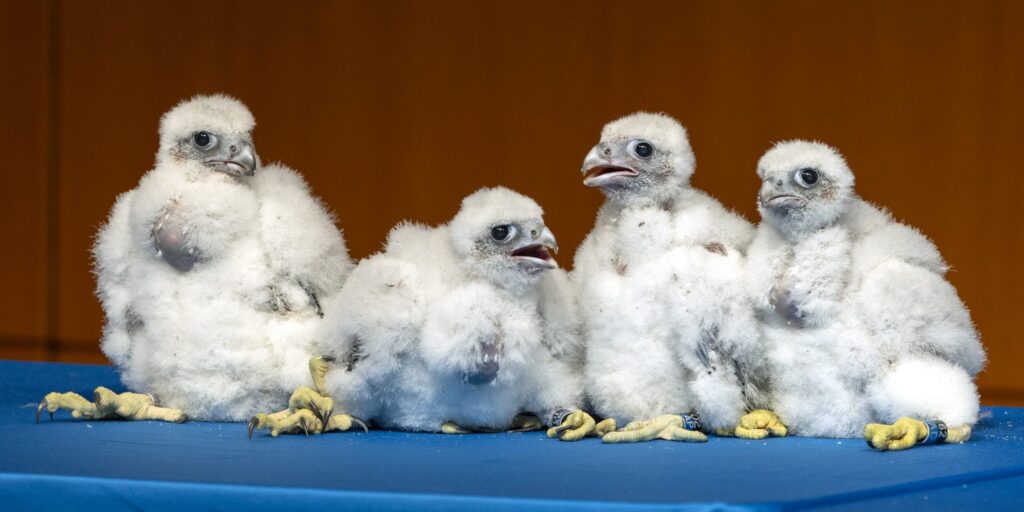
I enjoyed watching the banding and naming event. First, the chicks are weighed and their gender is determined. This year we have two girls and two boys. The chicks are then checked for parasites or infection. All four birds were deemed in fine health–a tribute to their hard-working parents who are providing excellent care 24/7. I enjoyed the naming ceremony too. Over 5,000 names were submitted from all over the world. This year’s names are (drum roll, please!): The two females: Vega meaning “bright star” and Belle in honor of the 100-year-old Clarrion at Mayo Clinic. The two males are: Mylo meaning “guardian” and Zephyr meaning “western wind.” The four chicks or nestlings pictured above now have many of their brown feathers.
Occasionally, I’ll visit other live-cams. I especially like the Big Bear Valley eagle cam in California. This year, the parent eagles are raising two females, Luna and Sandy. Their nest is perched 145 feet up in a tree, and the tree is on the side of a mountain overlooking Bear Lake Valley below. If you want to see a “house” with a million dollar view, just check out the information at the end of this post. Or you can also choose to watch tawny owls. There are live-cams for other animals such as beavers, fox, otters and many others.
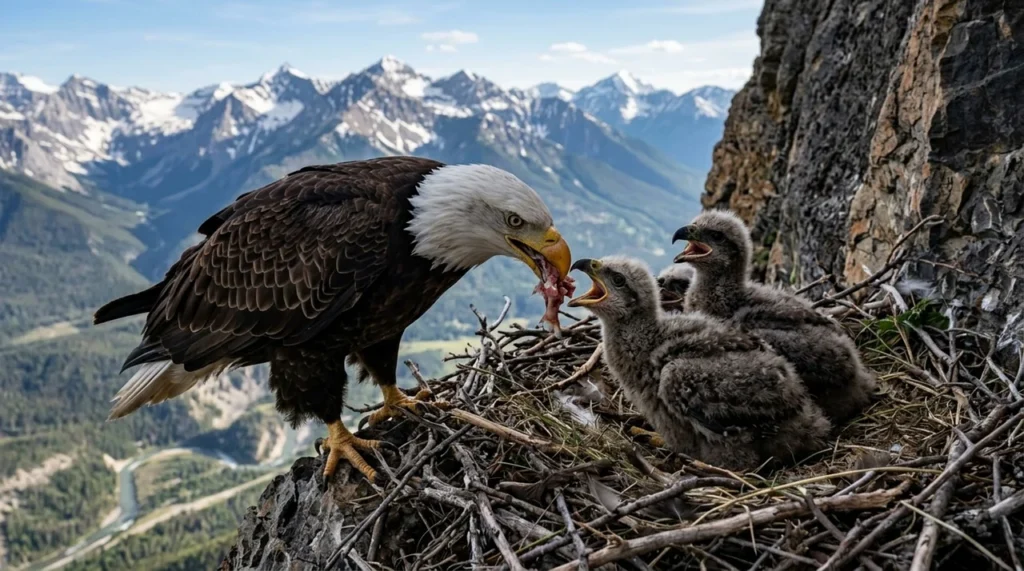
You might be wondering, why do I devote a few minutes to watching these birds on a regular basis? Don’t I have more important things to do? I make time because the cameras allow me to get really close to wildlife–a closeness I couldn’t get in any other way. At the same time, the cameras do not interfer with the raising of the chicks. The birds get used to the cameras quickly. Watching live-cams also gives me a greater appreciation of how much time and effort it takes to raise a clutch of chicks successfully. (It also gives me a greater appreciation of the many years it takes for human parents to raise their baby homo sapiens!) And it feeds my sense of wonder just to watch the chicks go from little yellowish-white puff balls, totally dependent on their parents, to gorgeously feathered adult raptors. Then the parents have to teach them to fly and hunt for food (to make a living!) as fully independent adults ready to raise a family of their own. These life-cams unite me with a global audience too. Some sites tell you how many other people all over the world are viewing the website at the same time you are! Fascinating!
For reflection:
Did anything catch your attention in this reflection?
Do you ever watch live-cams? Or do you have a camera by your bird feeder? Or do you enjoy watching your bird feeder? If so, please share some of you experiences below.
How do you gain access to wildlife–in a park? while on vacation? in your neighborhood? in your own yard? or even outside your window?
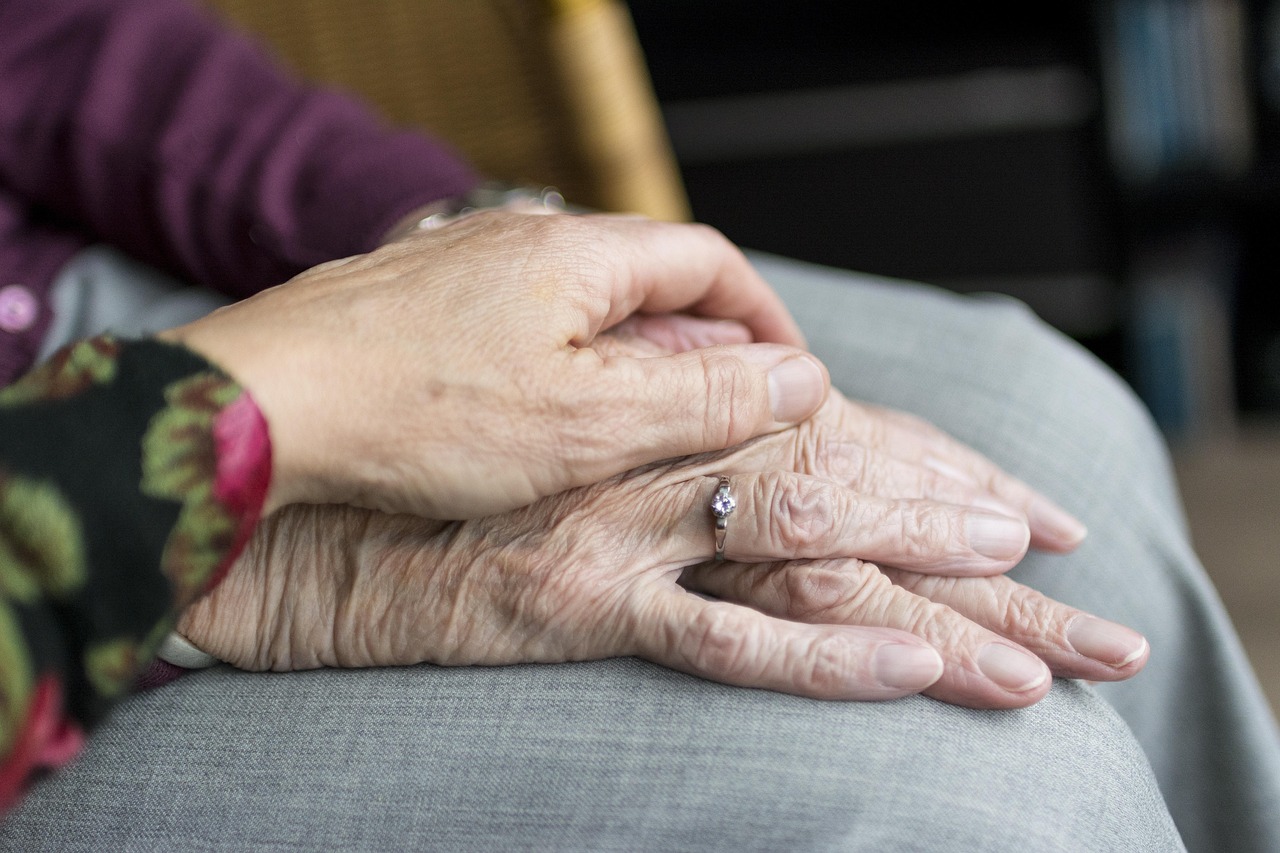
Do you set aside regular time to connect with the natural world beyond the human world? If so, why? If not, why not?
Here’s what to google to go to the websites for Peregrine falcons, eagles, and tawny owls:
Falcons: search Mayo Clinic Falcons
Eagles: search Big Bear Valley Eagle cam
Tawny owls: search Tawny owl live-cams (Tawny owls [they’re so cute!] are found in Europe [except Ireland] Central Asia, and northern Africa. Alas, they are not found in the U.S. or Canada…)
Today’s video (5. mins.) is from the Cornell Lab of Ornithology. It captures ordinary backyard birds landing on bird feeders. Their landings are too fast for the naked eye to see or appreciate, so much of this video is shot in slow motion. I think you might be as amazed as I was!
I’m looking forward to your comments below about this reflection, the pictures and video, and your own experiences with observing wildlife!


9 Responses
Good afternoon, Melannie…
Good afternoon, all…
A rare midweek blog makes for a double blessing!
I have never been a live-cam person, but this blog just might change that. I found it all so wonderful, especially the fact that the Mayo clinic not only saves the lives of us homo sapiens but also the peregrine falcon!
Readers, John responded to that rough draft I accidentally posted on May 27… I liked the connection he saw between the Mayo Clinic’s mission to save human lives as well as the lives of peregrine falcoms! Melannie
Good morning Melannie and all,
I’ve never really watched live cams, except maybe to watch for traffic hazards!
I do love to observe wildlife in nature and looking forward to a camping vacation my husband and I are about to embark on. We will mainly be in South Dakota and hope to see bison, prairie dogs, and many other creatures in their natural habitats.
One more thing that I just realized, lately my husband has left the tv on for our elderly cat. He sets it to a channel that shows squirrels and birds in a wooded area, and the cat seems to enjoy it. I think she mainly likes the sounds of the birds.
Thanks again for starting my Monday on a positive note.
Good morning Sr.Melannie. I have never watched birds on a video camera but I have watched them at the feeder in the back yard. They are such fascinating creatures. I marvel at the physics of their landing and taking off from a spot.
God is truly a wonderful creator.
God bless you Sister and God bless us all!
Several years ago we were visiting a local wildlife refuge. One of the things that they do there is rescuing birds from nearby Chicago that have become dazed after flying into buildings. Following a day of rest most are ready to be released. At that point the birds are in paper bags. We were able to participate in opening the bags, giving them another chance to fly off and hopefully live a long life. Reminds me of all the second chances that God gives us.
I received the midweek blog that was sent in error last week, but did not receive it in my email today. Not sure if this was true for others, but thought it was worth mentioning.
The subject of today’s blog is fascinating. I have been watching an eagle cam at the VINS Nature Center in VT, not far from where I live in NH. The eaglet was born on April 24 and its fluffy white down has been replaced by dark brown feathers. Watching the cam has provided an up close encounter that wouldn’t be possible otherwise. There is also a loon cam on Lake Kanasatka in Moultonborough NH, with two eggs being incubated by the loon parents.
There are so many ways to connect with the natural world. When the children were young, we camped. Later in life we visited several National Parks. Living in a rural area has provided many opportunities for wildlife encounters. There is no end to the beauty of God’s wonderful creation! I am thankful for living in an area surrounded by natural beauty.
Thank you for featuring some of the many wonders of nature.
Melanie,
Hopefully I am now back on your weekly reflections, seems I had fallen off the truck in February. Really enjoyed this live cam coverage.
Kerry
Love this, I live in the country and watch wildlife all the time…just yesterday had a family of snow geese, and turkeys in my back yard. I love when my neighbors goats and chickens and ducks visit. All are so interesting to watch and it is so calming.
I also get a e mail everyday from a website called “A Bird a Day”, gives you a lesson on a bird and lets you experience their songs. I highly recommend it, another calming effect!!!!.
Thank you again Melanie for all your hard work on this blog, I truly love receiving it every week, it is something I look forward to.
I also enjoy watching God’s creation. Out my window every so often I’ll see a coyote and squirrel walk along the back wall and birds eating seeds that fall from the trees. The eagles of Big Bear are another God experience. Thank you for sharing other sites to visit and be inspired. God bless.