The Healing Power of Tenderness
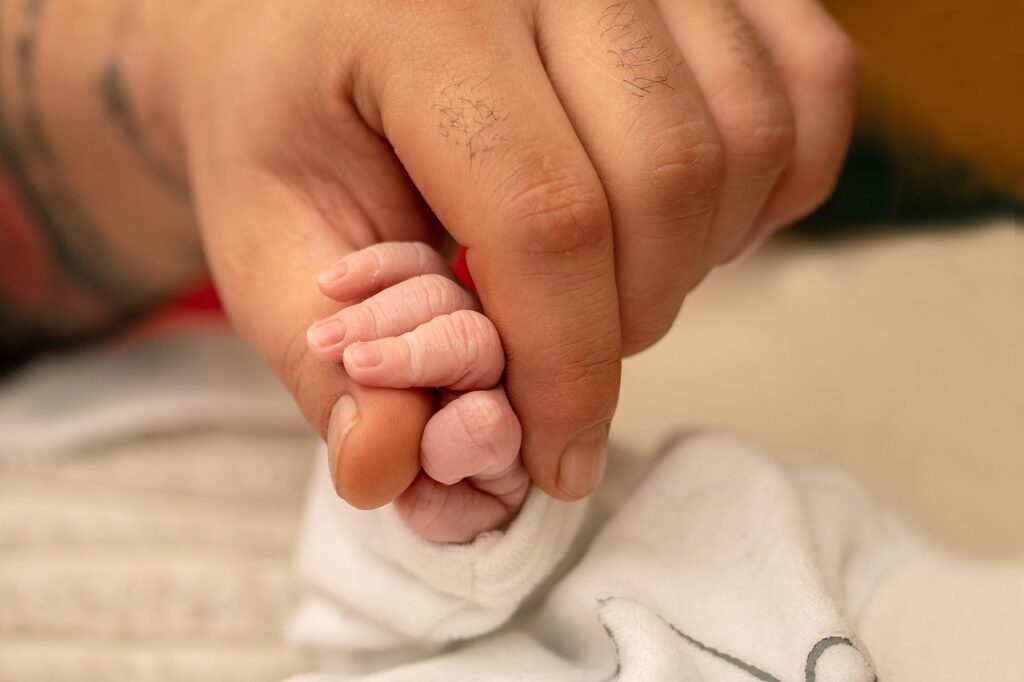
Years ago when I was novice director, I came across this sentence in some psychology book I was reading: “A definitive sign of human maturity is tenderness.” These words came back to me as I pondered the life and ministry of Pope Francis. In one of his first encyclicals, Evangelii Gaudium (The Joy of the Gospel), he wrote: “The Son of God, by becoming flesh, summoned us to the revolution of tenderness.” But Francis not only wrote about tenderness, he lived it. Whether he was washing the feet of a prisoner, consoling an 8-year-old boy who had just lost his father, or embracing a family of immigrants, he exuded tenderness. So, in his honor, I am devoting this reflection to tenderness.
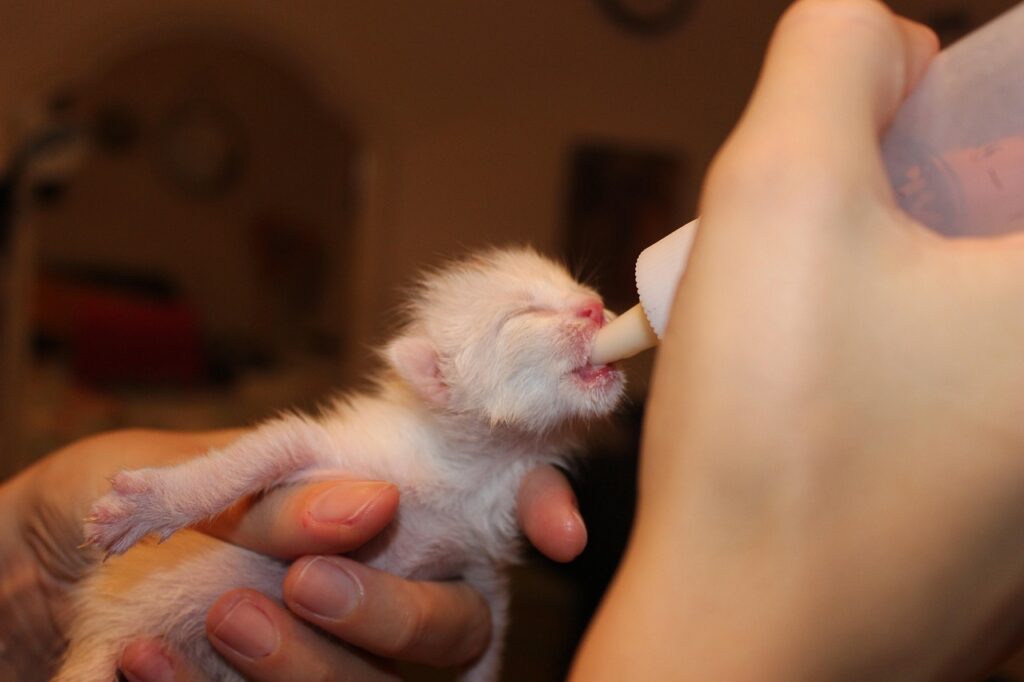
The verb “to tend” and the adjective “tender” come from the same Old French root which literally means “to stretch.” For me, the words conjure up the image of a taller person being stretched by reaching down to help a

smaller person–who is being stretched by reaching up to the taller person. In Compline, the traditional night prayer in the Divine Office, we say these words: “Tend the sick, Lord Jesus.” Tend. We are not asking the Lord to heal the sick here. There are other places in scripture, of course, where we are told to pray for healing–for example in James 5:14. But in this prayer we are seeking God’s tenderness.
There’s a line in one of the psalms that also underscores the tenderness of God. In Psalm 41:3, the psalmist says, “The Lord will strengthen him on his bed of illness.” That’s the King James Translation. But here are three other translations of that same line:
+ “The Lord will help them when they are sick.” (Good News)
+ “The Lord will take care of him when he is lying sick in bed.” (New International Reader’s Version)
+ “The Lord nurses them when they are sick.” (New Living Translation)

We often refer to God or Jesus as the Divine Physician. And that’s a beautiful and appropriate metaphor. But does something change in us when we think of God or Jesus as the Divine Nurse or Divine Nurse’s Aide or even the Divine Physical Therapist? My experience as a patient in health care has given me a greater appreciation of the direct, hands-on role that nurses, aides, physical therapists, and all caregivers play in the healing process. Who helps you to the bathroom? Who fluffs your pillows? Who feeds you? Who takes you for a walk? Healing is often a slow, gradual process. How much we must rely on the tenderness of all our caregivers–and on the tenderness of God–for our own healing.
Jesus was tender. He gently took the hand of Peter’s mother-in-law and helped her rise from her bed of pain… He played with little children tenderly. One day he put his arm around the shoulders of a small child and said, “Unless you become as little children, you shall not enter the kingdom of heaven” (Mt. 18:3). The child was Jesus’ “show and tell” for his disciples… Jesus touched the blind, the deaf, the lame, and even lepers… He spoke tender words to the woman who had been hemmorhaging for 12 years–even calling her “daughter”… And after calming the raging storm in the boat, he gently asks his petrified disicples, “Why are you terrified? Do you not yet have faith?”… And to the weeping Mary Magdalene in the garden, Jesus uttered but a single word, “Mary.” And at once Mary knew the man she had thought was the gardener was really Jesus. She recognized him by the familiar and tender tone of his voice. (Don’t we all crave to hear our name spoken tenderly by one whom we love?)


Here are a few questions we might want to reflect on:
Do I allow God to tend me? If so, how do I do this? If not, what gets in the way of allowing God to tend me?
How do I “show and tell” my tenderness to the people I encounter in my daily life–the people I live with, work beside, serve, am related to, acquainted with, or are strangers I just happen to meet?
How do I allow others to tend me? Am I even in touch with my need for tenderness?
Who, in the various stages of my life, has made a deep impression on me by showing me tenderness?
PS: Let us remember in our prayer the upcoming Papal Conclave which begins Wednesday May 7. The conclave, being held in the Sistine Chapel, will consist of 133 cardinals who will elect our next pope. A few facts: the cardinals represent 72 countries, the widest geographic mix in history. Here are the numbers from six geographic areas: Europe – 53; Asia – 23; Africa -18; South America – 17; North America -16; and Oceania – 4. In recent history, the conclaves have lasted only a few days. But the longest one lasted three years!… Let us pray for the Holy Spirit to be with all the electors as they choose our new Pope.
Our song today is entitled “Jesus, Full of Compassion” and is sung by Caroline Cobb. Compassion and tenderness are two words that are so much alike, they sometimes flow into each other. This song sings of some of the incidents in Jesus’ life where he showed tenderness and compassion. I was mesmerized by the visual background: a huge flock of migrating white birds–too numerous to count–coming down to rest upon a beautiful blue lake during their long migration. The words of the song I was most drawn to were these: Jesus, full of compassion… with love for the broken… beating in your heart… that we’d know the love of God.
As usual, I welcome your comments below… on the reflections, the questions, the video… or did any of the photos “speak” to you today?
Time (Again!) for a Little Laughter

The Easter season is an appropriate time for a little laughter. As someone has said, “On Easter Sunday, Jesus had the last laugh over Death and the Evil Spirit.” And I always appreciated what comedian Victor Borge said: “Laughter is the shortest distance between two people.” With that in mind, here are some items and a video that I hope will lift your spirits and help bring us closer together!
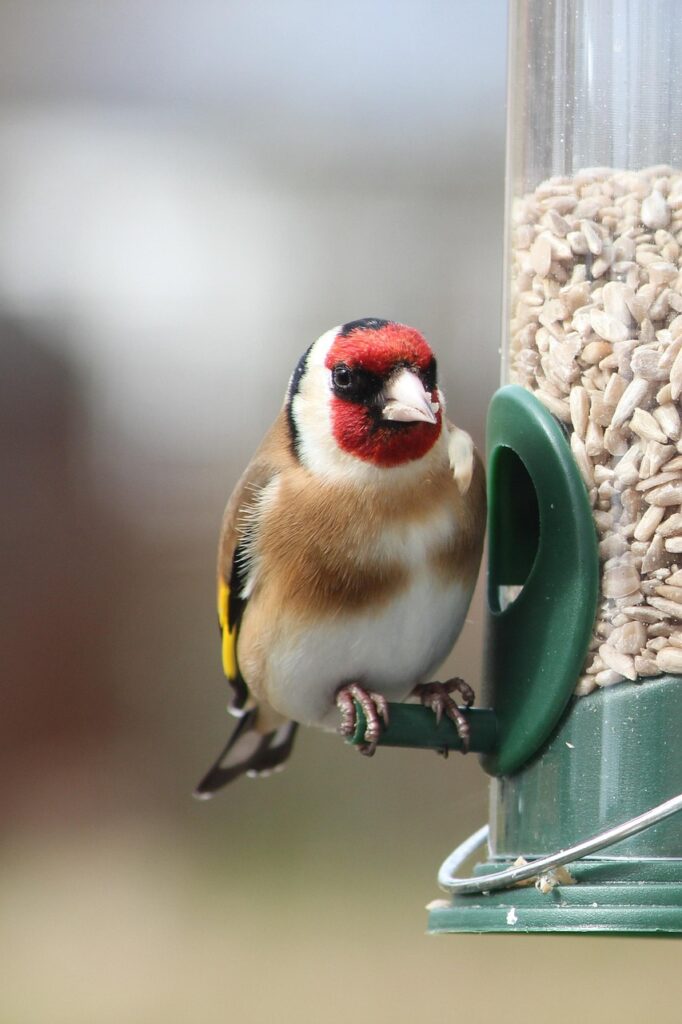
BUT FIRST TWO THINGS: Announcing our bird identification winners! (In case you missed it). I sent a prize to the two winners who accurately identified the bird seen on the right, a European goldfinch. First, there was Sister Marty Dermody a Sister of Charity who directs the Spirituality Center at Mt. St. Joseph in Cincinnati, OH. (I’ve met Marty several times when I gave retreats there.) Marty is not only a birder, she is an avid photographer who celebrated her Golden Jubilee last year. She is looking forward to retiring soon and being able to share her love for birds with others. Our second winner is Charlene Kellerman of Erie, PA. Charlene is an “agregee” (associate) of the Sisters of St. Joseph of Erie. (I’m giving a retreat there next year, so I’ll meet her then!) She describes herself as a “casual birder.” She loves watching birds in her backyard as they splash in her birdbath and flit from tree to tree. She enjoys listening to their songs too. The prize is a chocolate treat for Marty and Charlene plus a treat (sunflower seeds!) for their bird friends! What connection does the European goldfinch have with the Easter story? Throughout the centuries, the European goldfinch has been seen in paintings of the Madonna and Child. In some, the child Jesus is actually holding the bird. The legend says, as Jesus hung on the cross, one of these birds pulled a thorn from his crown of thorns to alleviate his sufferings. A drop of Jesus’ blood fell onto its little head. That’s why this species of goldfinches has a red head!
POPE FRANCIS: As we continue to mourn Pope Francis and pray for his successor, here is a beautiful prayer I came across from Liturgical Press:
Loving God, we give you thanks for the life and ministry of Pope Francis.
In him you gave us a man of humility, one who valued listening to the voices of the voiceless,
compassion for the undervalued, mercy for sinners and justice for the oppressed.
You gave us a pastor who led through the example of his love
for your people and creation, who was not ashamed to smell like his sheep.
Comfort all who mourn his passing, and may the angels now lead him
to paradise to rest in your peace for all eternity.
May your Spirit guide the future successor to your servant Francis
to continue the work you have begun through him for the good of the Church and the world.
Through Christ our Lord. Amen
Now for some humor. Let’s start with children:

A mother was teaching her three-year-old the Our Father. After a while, the little girl was ready to pray it solo. Her mother listened with pride until she heard, “And lead us not into temptation, but deliver us some e-mail. Amen.”
Little Ben had his baseball bat and glove. As he headed outside, he passed his father reading the newspaper in his chair. Said Ben, “Anytime you’re ready, Daddy, I’ll be sitting outside growing older.”
While Dory was sitting in the church pew next to her mother, she leaned over and whispered, “Churches are smart. They have pretty windows, but you hafta come inside to see them.”

As Hunter was about to bite into his peanutbutter and jelly sandwich, he said. “If God lives inside us like Grandma says, I hope he likes peanutbutter and jelly!”
Father: When Abraham Lincoln was your age, he walked 12 miles to school.” Son: “When Abraham Lincoln was your age, he was President of the United States.”
The supervising Sister was visiting preschool at a nearby parish. She asked the children, “What is special about you?” She expected something like, “I’m in school now… I’m four years old… I have new friends.” Instead one little girl said, “I’m from God.” And her name was Grace.
Speaking of children, did you know this? Having one child makes you a parent. Having two makes you a referee.
The Washington Post challenged its readers to send in ideas for useless products. The list included: Fire alarm with a snooze bar… inflatable dart board… can-opener-in-a-can… Lobster Helper… and silicone thigh implants.

Says comedian Rita Rudner, “I don’t panic when I get lost. I just change where I want to go.”
The best way to spoil a good discussion is to include someone who knows what they’re talking about.
SIGN somewhere in Canada: “RED SQUIRRELS DRIVE SLOWLY” (I guess gray squirrels drive fast!)
TWO SIGNS near each other: APPLEBEE’S and “WARNING PREPARE TO MEET YOUR GOD”
SIGN: “1 bedroom apartment for rent. All utilities included. No poets.” (Are novelists okay?)
Actual court transcript. Lawyer: “You say the car was returned to the dealer. Was it a lemon?” Witness: “No, sir, it was a Camaro.”

An online recipe: “Chicken fried rice in a skillet wth 4 lightly scared eggs, 2 soft carrots, ginger, garlic, onions, and freshly chopped stallions.” (No wonder the eggs are scared!)
Sportscaster: “He’s got a knock on his shin there, just above the knee.” (I wonder where his feet are.)
I hope you would be suspicious if you got this email: “Hello I am the IRS you need to pay me $1500 in Walmart gift cards or you will be placed under the rest.”
Actual complaint posted in an online review of a tour company: “Tour company did not warn me that I would get wet during river rafting trip. It ruined my $300 leather handbag.”
What do you call a hippie’s wife? Mississippi
Why aren’t dogs good dancers? They have two left feet.
“Buffet” is a French word that means “Get up and get it yourself!”
Four perks of being “elderly”: 1) In a hostage situation you are likely to be released first. 2) Things you buy now won’t wear out. 3) Your joints are more accurate meteorologists than the national weather service. 4) Your secrets are safe with your friends, because they can’t remember them either.
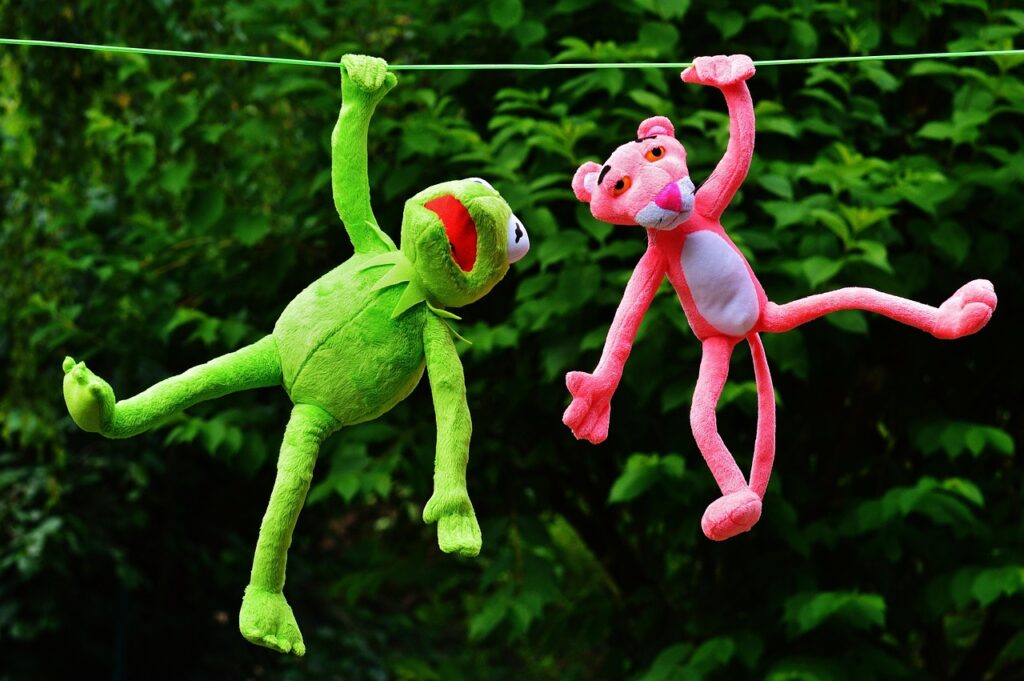
And finally, two little poems that might be appropriate for our times:
That money talks, I’ll not deny.
I heard it now; it said, “Goodbye!”
And another poem:
Politics, it seems to me,
for years or far too long,
has been concerned with right and left
instead of right and wrong.
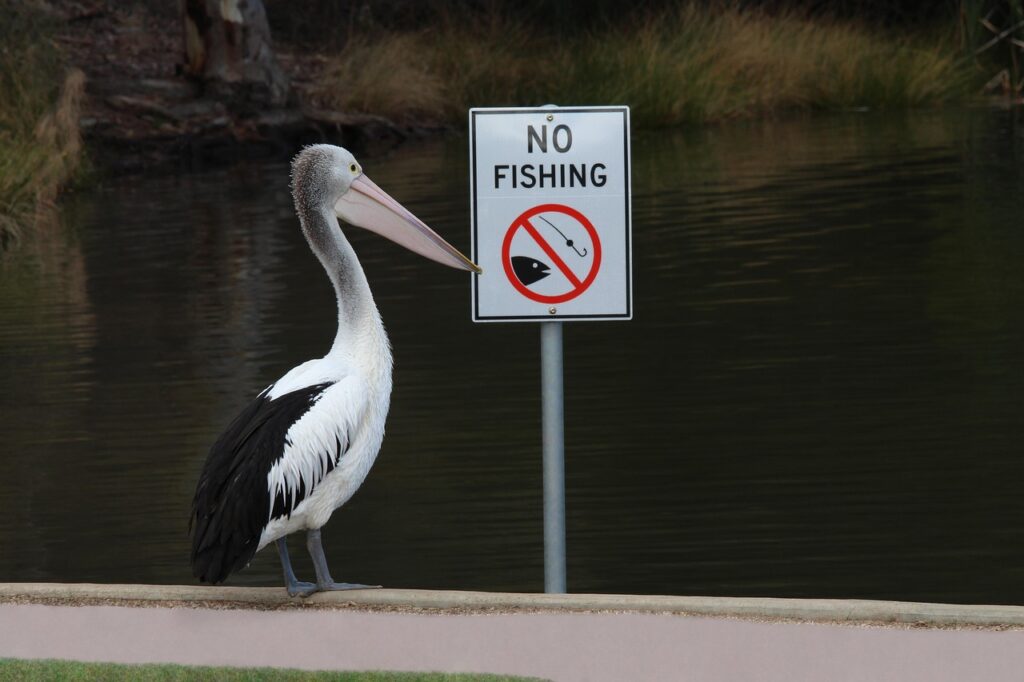
Did you like any of these?
If humor is so important for our well-being, what are some ways you nourish your sense of humor?
Would you like to share a little snippet of humor in the comments below?
Our Video: Michael McIntyre is a very popular British commedian. He takes ordinary things in life and performs little skits about them: raising kids, getting on an airplane, buying a new pair of shoes, putting kids to bed, driving, going to the eye doctor, using our cellphones, etc. Some of my friends and I find him very funny–and “clean.” This 4 minute video is one of my favorites. Here he points out all the silent letters we have in the English language and questions why we have them–when we don’t pronounce them: like the b in subtle or the l in half. He then proposes that we have a “Silent Letter Day.” (McIntyre, of course, has a British accent and he talks fast–so click on the closed captions cc if you need help.)
I welcome your comments below about the jokes, the pictures, and the video.
Easter Reflection: Interview with a Birder
A Happy Easter to all of you!
Alleluia! Alleluia! Alleluia!
I just heard the news that Pope Francis went home to God today, the Monday after Easter. We remember him in special prayer and thank God for his goodness and leadership. I will certainly write more about this beloved Pope in the weeks to come. May he rest in peace. Amen.

For my Easter reflection I am focusing on birds. Why? First, when we think of birds we think of eggs. The early Christians saw eggs as a symbol of Jesus’ Resurrection. Just as chicks emerge from hard shells, so Jesus cracked open the sealed tomb on Easter morning. Decorating eggs at Easter is still a venerable tradition for many people. Secondly, spring is the time of year when we, in the northern hemisphere, welcome back our migrating birds with great joy and enthusiasm. They seemed gone forever, but now they are back! The disciples on the road to Emmaus, thought Jesus was gone forever–but they soon learned he was not only back, he was in their midst!
That’s why I decided to write about birds for Easter. And when I think of birds, I automatically think of my niece Melannie. (Yes, she’s named after me). For Melannie is an avid birder–not merely a bird watcher (someone who is a casual observer of birds.) She’s not an orthinologist either (someone who researches birds as their profession.) To find out what birding is all about, I interviewed my niece.

First a little background. Melannie earned a doctorate in ecology from Colorado State University, where she has worked for 32 years. She and her husband Mike live in Boulder, Colorado and enjoy hiking and camping together with their 4-year old Border Collie/Australian Cattle dog mix named Loki. Loki means “god of mischief.” Melannie says he is aptly named! Ever since Melannie was a little girl, she was drawn to nature. In my mind I cherish images of her about four years old excitedly picking strawberries with my dad. She’s wearing a little red babushka and carrying a small pail. Later, when she was about ten, I see her sitting at the picnic table with my dad examining the pile of rocks and stones she had carefully collected. Melannie was always looking for fossils, arrowheads, and unusual rocks. With that brief introduction to her, let’s hear what this birder has to say about birding.
When and how did you first get interested in birds?
I developed an interest in birds when I was a kid. Mom had a bird feeder outside our big picture window in the living room.
Did any particular person encourage your birding?
When I was about 30, I went on a birding field trip in Fort Collins. I was the only one to show up. The expert, a professor at CSU, started pointing out the birds in the area. Almost immediatly he identified two species wading in the creek, a greater and lesser yellowlegs. I had never heard of these species. That’s when I realized there were a lot of birds where I lived, and I hadn’t noticed them before. I have been hooked on birding ever since.

What role does birding play in your life?
Watching and seeking out birds is relaxing and meditative for me. I get so focused on birds, I forget about stressful things I have been ruminating about. I spend hours each week watching birds in my backyard. I have 5-6 feeders and I spend quite a bit of money at two small local businesses that sell bird seed and feeders.
Birding expands my horizons. I have traveled to other countries–like Guatemala and Panama–to see birds I have never seen before. While there I visit historic sites and I learn about the culture of the people who live there. There are companies that organize birding trips around the world. They take care of all the logistics and provide expert guides.
Birds are just about everywhere, so wherever I travel, I always look forward to seeing the birds in that area. The birds add excitement even to areas some may consider ordinary. I’ve also met lots of people through birding. Starting conversations with others is easy when they’re carrying a pair of binoculars. Birders have a connection, not only because of their mutual love for birds, but also because we share many other values as well–such as care and concern for the environment. Even when I travel solo on a birding trip, I feel confident I’ll meet people I’ll enjoy being with.
Do you keep lists of some of the birds you’ve seen personally?
Yes, I have different lists: birds I’ve seen in my lifetime, in this calendar year, in my yard, on vacation, and on each birding trip.
What’s one of the most exciting birds you’ve ever seen–and why was it so exciting for you?
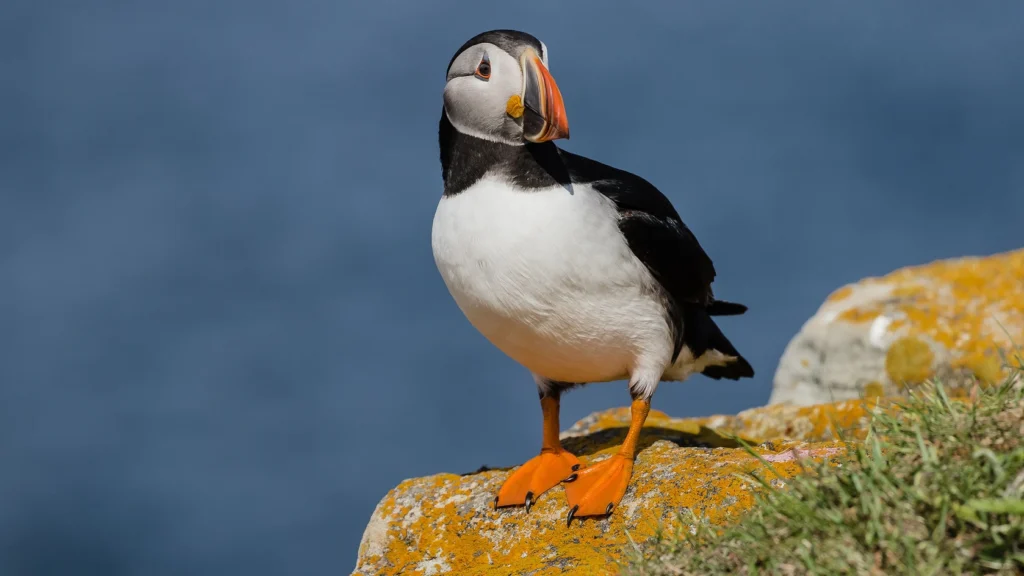
The Atlantic Puffin. In 2015 I spent a week at Hog Island, Maine, to attend a weeklong ornithology class. Before I went, I read a book entitled Puffin Project which was about the efforts to re-establish Atlantic Puffins off the coast of Maine. During my time on Hog Island, we took a boat trip to one of the other islands where reintroduction had commenced. When I saw my first Atlantic Puffin flying, I had tears in my eyes. Seeing any bird for the first time is exciting for a birder, but given that I had anticipated seeing this bird for so long, traveled a long way to see it, and had read about all the challenges of re-establishing its populations, my first sighting felt extra special.
Is there anything else you’d like to share with us about birding?
Birding nourishes my love for science… I just counted six birding apps on my iPhone… It is astonishing to think how far many birds migrate each year. The bird in my yard in the summer may have traveled to South America and back since the previous year… Birds do not have easy lives, finding food and avoiding dangers. For me, each bird is a miracle!
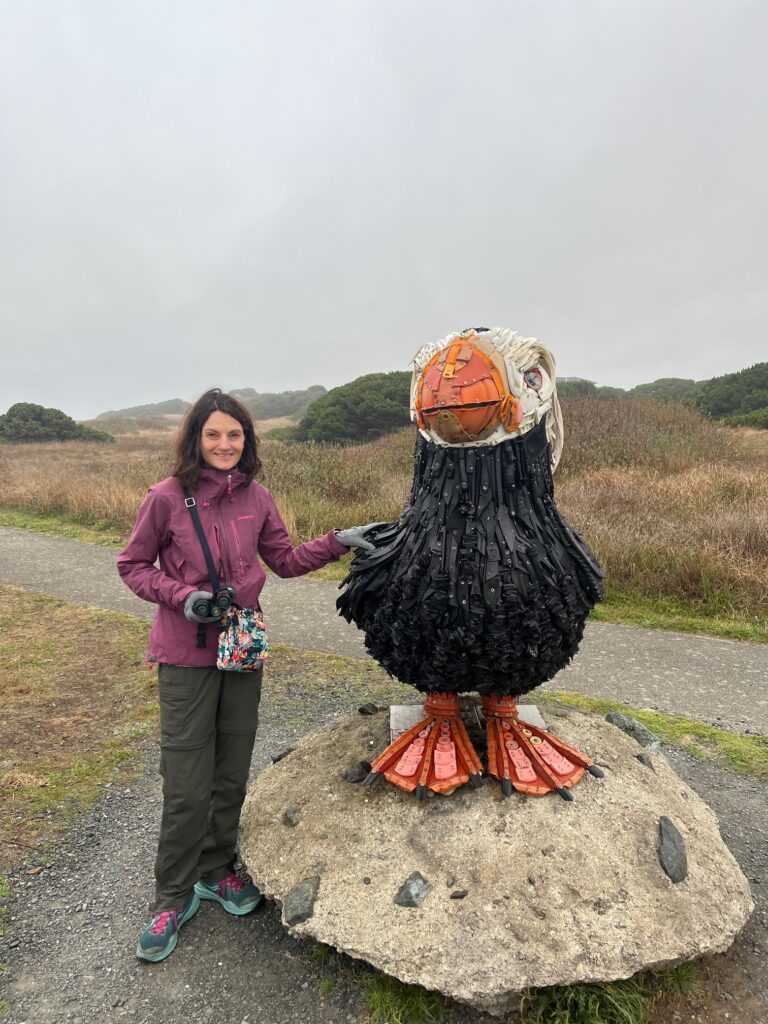
The photo on the right is Melannie in Bandon, Oregon standing beside Cosmo, a Tufted Puffin–not to be confused with the Atlantic Puffin. Cosmo is made out of “sea trash!” Every part of the sculpture is made from the trash collected on the nearby beach. (There’s a “resurrection” theme here: how trash can be “resurrected” into a work of art!) Nothing was painted. Here’s the link that tells the story of how and why Cosmo was fashioned. It’s truly remarkable (with lots of pictures) and I think you’ll enjoy it! Melannie has never seen a live Tufted Puffin, but I bet it’s on her wish list.
The Making of Cosmo the Tufted Puffin
For reflection:
Did anything stand out for you in what Melannie said about birding?
Are you a birder or a bird watcher? If so, why?
Have you ever had a memorable experience with a bird in the wild?
Do you see any relationship between birding and prayer or everyday spirituality?
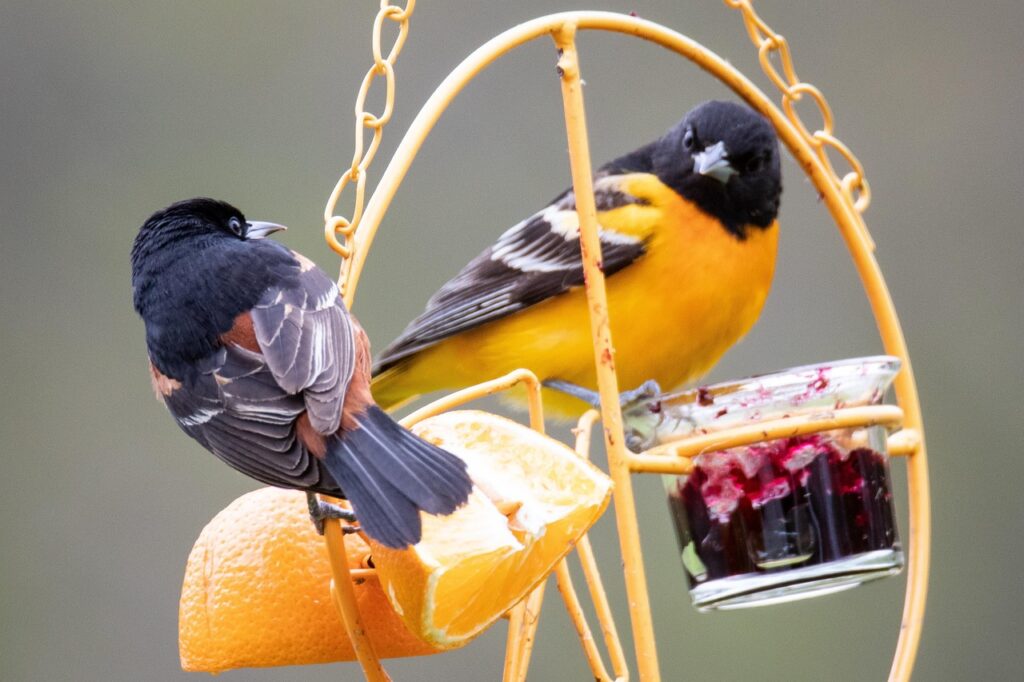
Don’t forget to enter the contest to identify the bird at the bird feeder on the right side of this reflection! Write your guess in the comments below. Two “valuable” prizes could be yours!
GUESS WHAT: We have a winner already!!! In fact TWO winners. Check our Marty’s and Charlene’s comments below! Congratulations to them! The reason I’m giving TWO prizes is this. When I checked my blog earlier this morning, Charlene’s comment was listed–but not Marty’s. When I checked just now, I see Marty’s comment is now shown and it comes before Charlene’s. Who knows which one actually came first. The times listed for their postings are NOT accurate… Who knows why. So I’ve decided to award two prizes. Charlene even gives us the little Easter legend associated with this bird–and tells why its head is red!
I went back to my childhood for today’s Easter song. It is “Alleluia! Alleluia! Let the Holy Anthem Rise” written by a priest, Edward Caswell (1814-1878). I was in the children’s choir at my home parish, and this was my favorite song to sing at Easter. It was one song the parish sang with gusto. I also remember standing next to my mother on Easter and listening to her lovely alto voice. The song conjures up many fond images of certain parishioners from my childhood. As I listened to different versions of this song to select one for this blog, I found myself once again getting “goose bumps” over this hymn.
You are welcome to share a comment below about the reflection, the photos, Cosmo’s story, and/or the video. Thank you!
Holy Week: Celebrating Jesus’ Profound Love
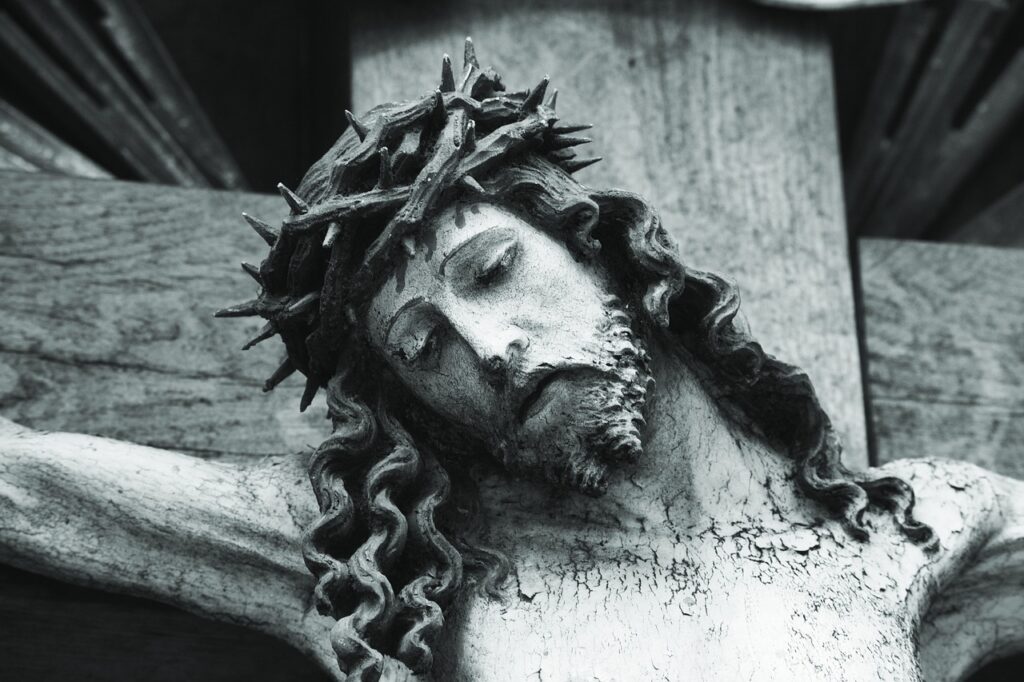
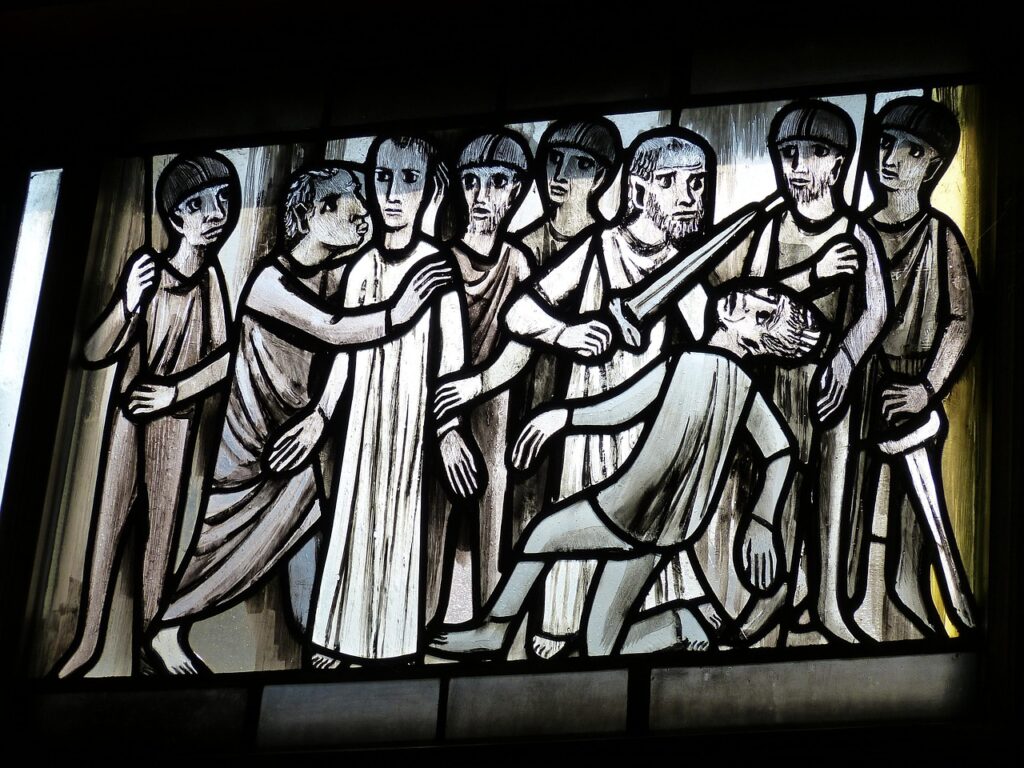
What do we commemorate during Holy Week? Several significant events. On Holy Thursday we commemorate the washing of the feet and the giving of the Eucharist. On Good Friday we remember Jesus’ agony in the garden, his frightening arrest, his torture at the hands of Roman soldiers, the unjust trial, the decisive death sentence, the betrayal of his disciples, the awful crucifixion, and the hasty burial. It’s easy to be overwhelmed by the magnitude of Jesus’ sufferings and pains–so much so, we cry out, “Look how much he suffered!” But years ago in a scripture class, I remember how our professor, Fr. Demetirus Dumm, OSB, suggested a more important way to look at Holy Week. While being rightfully aghast at Jesus’ horrific sufferings, we must also cry out, “Look how much he loved!”
For love lies at the heart of Holy Week. It is the key to all the events we commemorate. And what is the basis to all real loving? In a word, it is our vulnerability. Vulnerability, I read recently, means we are all wound-able. We have limitations, we lack self-sufficiency. It means we need others to survive. We experience this need everyday! How many other people does it take to provide us with safe water and food, shelter, roads and bridges, safe air travel? We need healthcare workers, researchers, just laws, and a fair legal system. We need elected government officials who serve with compassion for all–especially the most vulnerable among us. And the list goes on and on. But we need others not only to survive, but also to flourish–so we especially need our family and friends.
By ackowledging our vulerability and need, we learn how to open ourselves to love. But loving is a great risk. Yes, it means opening ourselves to possible joys beyond measure: finding our “soul mate,” bringing a child into the world, finding our life’s passion and work. But opening ourselves to love also means opening ourselves to possible pains beyond measuring: rejection, betrayal, failure, the agonizing loss of a loved one. In his book (1960) entitled The Four Loves, British writer C. S. Lewis warns:

“To love at all is to be vulnerable. Love anything, and your heart will certainly be wrung and possibly broken. If you want to make sure of keeping it intact, you must give your heart to no one, not even an animal. Wrap it carefully round with hobbies and little luxuries; avoid all entanglements; lock it up safe in the casket or coffin of your selfishness. But in that casket–safe, dark, motionless, airless– it will change. It will not be broken; it will become unbreakable, impenetrable, irredeemable.”
In Jesus, we have a God well acquainted with our struggles and agonies. Tish Harrison Warren, an Anglican priest writes: “Jesus experienced death. He knew what it was like to die…. He knows the feeling of his cells being starved of oxygen, of cardiac arrest and suffocation…. There is no darkness into which he has not descended. He knows the taste and texture of everything I most fear.” (Prayer in the Night).
This week, as we celebrate the mysteries of Holy Week, we are not merely recalling something that happened over 2,000 years ago. We are remembering what is happening in our current times. Just look at our headlines! What breaks your heart in today’s headlines or in your own personal life? Thankfully, Jesus continues to nourish us with the Eucharist to help us face the real challenges to loving that we see and experience every day. He invites us, after his example, to lovingly wash the feet of others–in whatever form that washing takes: feeding the hungry (whether a stranger in a shelter or your family in your own kitchen), clothing the naked (donating clothes or getting the grandkids dressed), working for greater justice (whether volunteering directly or writing to your congresspersons), accompanying one who is afraid, praying for those who are in our headlines–both victim and perpetrator and their families, really listening to another, bringing joy to someone in need of encouragment, bearing patiently our own losses and letting go’s, and entrusting everyone and everything into the arms of our all-knowing and all-loving God.

For reflection:
Did any words touch your heart in today’s reflection? Do you know why?
Recall a time when you experienced your vulnerability in a small way? in a dramatic way? What affect did these experiences have on you?
When have you had your heart broken? Did anything positive emerge from that experience?
What are some ways Jesus showed his love during the “first Holy Week?”
What or who helps you to trust in an all-knowing and all-loving God?
Our song today is Deborah Govenor’s beautiful “Remember Me.” The first two verses speak of the Last Supper and Jesus’ agony in the Garden and death on the cross. The third stanza speaks of our participation in Jesus’ sacrifice and selfless loving…
I wlecome your comments below–on the reflection, the questions, the photos, the video…
Poetry for April
April is national poetry month. In honor of this ancient and beautiful literary form, I am offering three short poems for your enjoyment and pondering. I suggest you read each poem slowly and aloud.
The first poem is by someone most of you know: John Hopkins a regular reader and responder on this blog. (I was talking to two of my cousins recently. Both are readers of my blog. One said, “I always like to read what John Hopkins writes. He uses few words to same some really good things!) John, a high school English teacher, just published his third book of poetry called, With Caught Rain (available on Amazon). Here is the first poem in the book called “Sometimes.” What I love about this poem is how it captures a moment of true happiness–not the extraordinary and showy kind. But the ordinary, simple, daily happiness of having a cat, noticing spring outside the window, having your hands in sudsy water, and hearing your wife singing upstairs while doing some housework.
“Sometimes” – by John Hopkins
Sometimes,
happiness is sudden,
like when the cat decides to circle curl herself
onto your lap on a cold,
rainy, April afternoon
and then stays
even when you prop your book on her fur.

It was on such a day
I heard you singing.
At the sink, my hands
enscounced in suds,
moving the sponge over plates,
the window showing the world greening
from the ground up
I heard you upstairs:
moving things, vacuuming, opening and closing,
singing, now and then, snippets of songs from the radio.
Later, you would tell me the cat,
serving as your assistant,
deemed it necessary,
to examine every drawer
you opened.

Have you ever had a moment when you’re doing ordinary, daily tasks, and suddenly happiness shows up? If so, what were doing? And how did happiness come?
Were there any words of phrases in this poem that you really liked or identified with?
Our second poem is a haiku by Robert Siegel, an American cotemporary poet. A haiku (as you may remember from your days in elementary or high school) is a three line poem 5 syllables in the first line, 7 in the second, and 5 in the third line. Sometimes the number of syllables varies a little.

Yellow flames flutter
about the feeder:
a Pentecost of finches.
Any comments about this tiny poem?
April in the United States is the beginning of baseball season. And baseball is my favorite sport. The game has often been used as a metaphor for life. Baseball involves making “sacrifice” plays, being thrown a lot of curve balls, and getting home safely as the ultimate goal. To me, a double play can be as beautiful as a well-coordinated dance move. A diving catch in the outfield blends perfect timing with total commitment. And a 420-foot home run is the marriage of superior hand-eye coordination with brute power. Here is my poem about the shortstop–or is it really a poem about how to live our lives?

“The Shortstop”
Live your life like a good shortstop.
Dare to stand in the between spaces of life’s active infield.
Plant yourself firmly yet lightly on the balls of your feet.
Crouch forward slightly, ready to spring in any direction:
left, right, forward, back.
Build arm strength, work on your range.
Master these essential skills:
take an angle on the ball, get in front of it,
block it with your chest if need be.
A temporary bruise is a small price to pay
for preventing the opposition from scoring.

Embrace the fact that more balls are hit to you than to any other position.
At every moment in the game you might get
a sharp grounder, a crazy bouncer, a stinging line drive,
a popup a mile high–
all from Fortune’s bat.
Be poised to glove whatever comes your way
and humbly make the play.
Do any words or phrases in this poem describe where you have been in life in the past–or where you are now?
What other ways is the game of baseball a metaphor for life?
Do you have a favorite sport to watch or to play? What does this sport teach you about life?
PS: I will be giving a retreat at the Assisi Spirituality Center in Rochester, MN, May 15-18, and May 18-21. It is an in-person and zoom retreat. You can sign up for either part of the retreat or both parts. See their website for details: www.rochesterfranciscan.org or call: 507-282-7441. I hope to see a few of you there–either in person or via zoom!
Most songs are really poems set to music. With that in mind, here is a fourth “poem” called “Compassion Walks the City Streets.” The original poem was written by Sister Genevieve Glen, OSB. It was set to music by Justin Wedgewood. The song is a beautiful personification of Compassion. We here at our SND Center recently learned this song for Lent…
I invite you to write a comment below about the poems, the pictures, or the song: