Quotes from “A God in the House”
On November 25 I used a quote from the book A God in the House, edited by Ilya Kaminsky and Katherine Towler. The book is a collection of interviews with nineteen American poets about spirituality and the craft of writing. Today I would like to share with you a few more quotes from this enriching book.

1- “The world is at once fallen and holy, both at the same time.” Carolyn Forche, p. 3.
2- “The holy has to do not with an isolated feeling, but with an act of involving yourself with other people.” Gerald Stern, p. 29.
3- Kazim Ali hesitated to think of himself as a “religious poet” because “I’m not certain about too many things. Fanny Howe writes in an essay titled ‘Doubt’ that doubt can be a really fruitful, powerful, spiritual place, and it’s a place of active seeking.” p. 33.
4- “Art’s role in the contemprary world may well be precisely to be un-useful, to appreciate the role of uselessness in our lives. You cannot eat a painting. You can’t do anything except stand before it, know the world differently, and walk away changed. That’s what a painting can do, a poem can do. Art halts the mind’s unthinking plummet and lets you see the experience as a new whole.” Jane Hirshfield, p. 60.
5- “Hope is not as comfortable as certainty.” Eleanor Ross Taylor
6- “We are living in a porous universe, and that sounds to me like a universe who wants, if I can put it in a child-like way, to love us.” Jean Valentine, p. 76.
7- “Writing is a struggle for what you don’t understand… Once I understand everything, I won’t be able to write.” Grace Paley, p. 101.
8- Alicia Ostriker likes poets like John Donne, George Herbert, Gerard Manley Hopkins: “poets who grasp the most powerful spiritual truths. The divine all around us, and the divine within us, and within everything–every atom.” She quotes Hopkins: “The world is charged with the grandeur of God” and Paul Eluard who wrote: “There is another world, but it is in this one.” p. 139. At the end, she talks about our desire to build a better world, and she quotes from the Talmud: “It is not incumbent on you to finish the task. Neither are you free to give it up.” p. 148.

9- Joy Harjo, a popular Native American poet and musician, was raised a Baptist, but she eventually made the decision “to stay clear of any organized religion.” She explains why: “From my study of history, theology, and metaphysics, especially from the perspective of an indigenous person in this country, I understand that organized religion is responsible for dismantling and destroying indigenous cultures all over the western hemisphere. This is still happening within our tribal nations. Factions from organized religions are behind nearly every armed conflict presently going on in the world.” p. 205.
10- “I think the imagination represents the health in us, and that any creative activity is a form of health and a symptom of it.” … And “The further inside one goes, the more one finds everybody.” Eleaneor Wilner, p. 218, 219.
11- “One practices faith at the very moment when you really don’t believe anything.” Julius Lester, p. 229
12- “The spiritual is here in the palpable, physical world around us.”Gregory Orr, p. 272

13- Let me conclude this reflection with an excerpt from a review of this book by Philip Zaleski, editor of the annual Best Spiritual Writing volumes: “An incandescent collection of essays, superbly edited, radiant with wisdom, demonstrating the great truth that all poetry, all art, all human endeavor finds it fulfillment in service to something higher than itself… Christian, Jewish, Muslim, Buddhist, unaffiliated, non-religious: the contributors…unite in awe before the mystery of being. This is a noble and life-giving book.”
For reflection:
Is there any quote that jumped out at you? Why?
Is there a particular poem or work of art that has had a powerful, positive impact on your life? How? Would you like to share the title and author of that poem or work of art with us below?
In a world where we can be suspicious of, fearful of, or even antagonistic toward people of other faith traditions, isn’t it good to know that we can often find commonality in poetry and art? What other “things” can remove barriers between “us” and “them”? Have you ever experienced this in your life?
The editors of this book say that what poetry and faith share in common is a sense of awe, of wonder. As Christians, we believe that our sense of wonder can actually lead us to faith in God and can be a support of our faith throughout our life. (I know wonder has been a major support for my faith!) Here is Brian Doerksen’s beautiful song “Creation Calls.” I’ve used it before on this blog–but not this particular version by TheCatLady J. I chose it because of her use of exquisite nature pictures. It’s hard for me to choose my favorite picture. Is it the humans on the shore being dwarfed by those immense waves… those giant trees… that face of the baby giraffe… the huge eye of the ostrich… the monkey using the big leaf for his umbrella… that baby hedgehog…? Let me know if you had a favorite picture from this video. I’d be interested!
I invite you to comment on today’s bog below–on the quotes, the pictures, the reflective questions, or the video. We all love to read what you have to say!
Prayer for Inauguration Day and Beyond
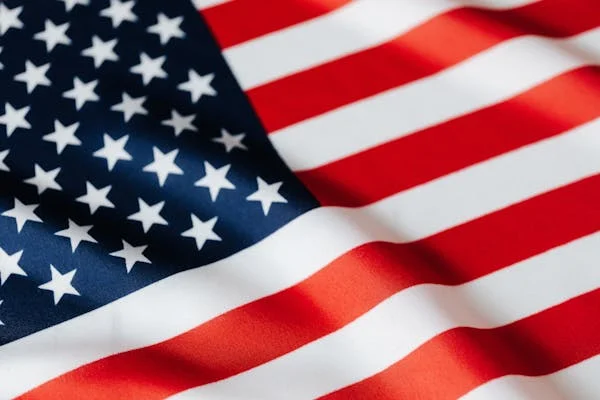
Next Monday, January 20, 2025 is, as we know, Inauguration Day in the United States. This is the day Donald J. Trump will be sworn in as President and James D. Vance as Vice-President. We hold both of them in special prayer. It is also a day for all Americans to take a few minutes to pray for all our elected and appointed officials who will serve as leaders for our country.
To mark this important day, I have written a short prayer. In doing this, I looked for inspiration from a number of inauguration day prayers including Reverend Samuel Provoost’s prayer given at the inauguration of our first President George Washington in 1789 and the prayer given by Father Leo J. O’Donovan, SJ, at the inauguration of President Joe Biden in 2021.
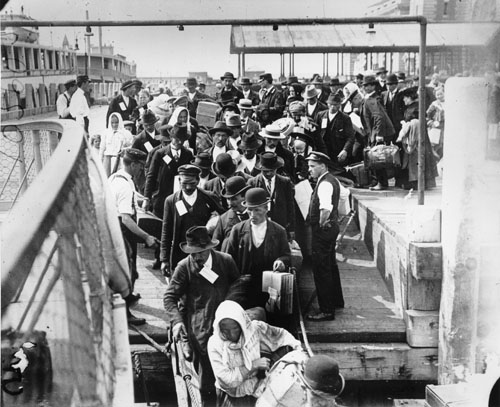
Let me preface my prayer with three observations. First, we pray for government leaders regularly, not merely on inauguration day. And we pray for leadership on all levels of government: national, state, and local. Our government leadership is vital in influencing the direction our country will be taking. But good leadership is challenging. It can be exhausting and discouraging at times. It also comes with the ever-present temptation to use a position of leadership to amass power, riches, and fame. In short, all our leaders need our prayerful support.
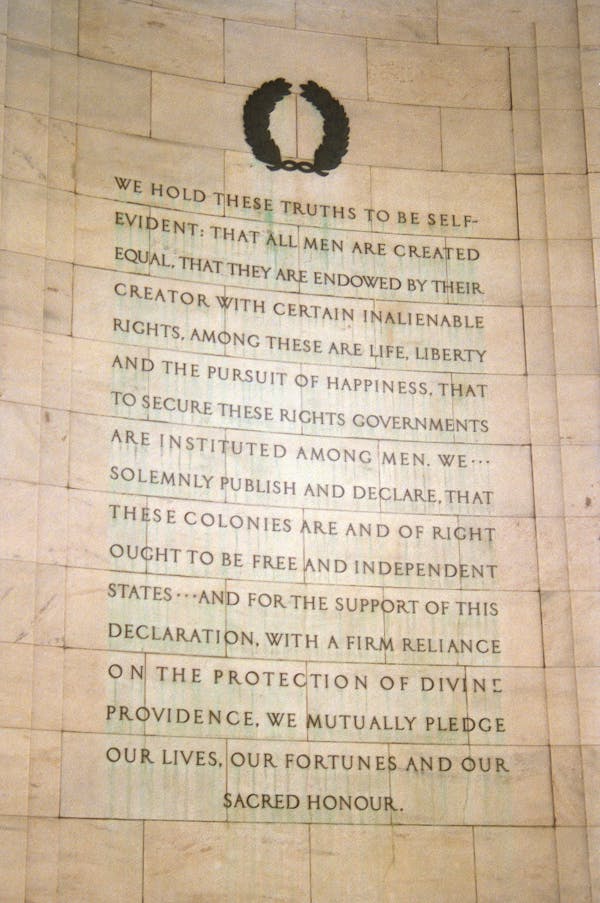
Second, we Americans come to this inauguration day in many different ways. Some of us will be overjoyed on inauguration day–especially if the candidates we supported won. Others may be deeply saddened by the outcome of some of the elections. Still others may be fearful of what these changes in leadership will mean for our future. And, finally, some Americans couldn’t care less who has been elected or appointed, for they have given up all hope that political leadership can make a difference in our lives or in the future of this country. So, even on this day we must acknowledge our differences. At the same time, we can be united in our prayer.
A third observation is this: No matter where we may be on the political spectrum, none of us can sit back and expect our leadership to do all the work of shaping our country’s future. A democracy demands informed and active citizens. As good citizens, we must be aware of what is happening in our country, speak out when we perceive something is not right, and take action when we see individuals or segments of our population being denied their basic rights. In other words, praying for leadership, as important as it is, is not enough. We must find ways–both large and small–to invest ourselves in the future of our nation.
That being said, here is a prayer for today and beyond:
Prayer for Inauguration Day and Beyond
Good and gracious God, we ask for your blessings today on our country, the United States of America. It is a country beautiful and blessed, yet in continuous need of healing. Today we renew our desire to form “a more perfect union,” a union of all of us “to promote the general welfare and secure the blessings of prosperity” not only for ourselves, but for future generations. We also renew our desire to have our country play an active role with other nations in the promotion of global justice and in the unending quest for world peace.
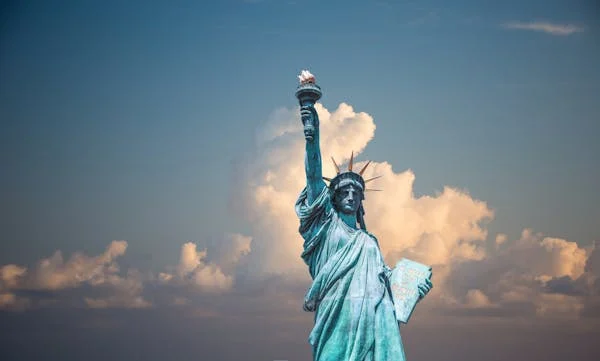
We recognize that our country consists of people of many races, creeds, backgrounds, and cultures. We know from history that these differences can enrich us in countless ways. At the same time, we know these differences can lead to misunderstandings, suspicions, divisions, and even hatred and violence. We ask for your strength to continue to dismantle the barriers that divide us. We also confess our past failures to live according to our vision of equality and “liberty and justice for all.” Help us to respect and care for one another not only in our words, but also in our deeds. May we be especially mindful of those in our midst who do not share in the so-called “American dream.”
We pray also for all our elected and appointed officials. Please give them wisdom, strength, courage, integrity, and compassion. Help them to work tirelessly together for the common good of all. May they see their position of leadership not as a way to dominate or control, but as a way to serve all of us who call this country “home.”
And lastly, Beloved God, we ask that you bestow upon all of us hope for the future… a hope firmly rooted in our belief that you are with us always. Amen.
For reflection:
Did anything stand out for you in today’s today’s reflection?
What are you asking of God for our country at this time in our history? What are you asking of yourself as a citizen of this country?
What are some of the ways we can make an investment–both large and small–in the future of our country?
****************************************************************
A word about Jimmy Carter…
Last week we buried our 39th President of the United States, James Earl Carter. He was 100 years old. Though he served as President decades ago (1977-1981) he left a lasting legacy that transcends his presidential term. I hope you were able to see/read some of the tributes given to him–especially those given at his funeral last week in the National Cathedral. I was struck by Carter’s ability to befriend such a wide variety of people–world leaders, Black religious leaders, men and women, cabinet members, country singers, his neighbors in Plains, GA, and even those who opposed him politically–like Gerald Ford whom he defeated in the 1976 election. Carter and Ford, despite their very real differences, became good friends–so much so that they asked each other to give the eulogy at their funeral. Carter delivered Ford’s eulogy in 2006. Gerald Ford’s son read the eulogy his father had written for Carter.
The timing of Carter’s death couldn’t have been more sgnificant. When I saw all those former presidents, our current one, and our future one sitting side by side in the first two rows, I kept praying for all of them to be deeply touched by the way Carter served this country and the world. Though the years he served were different from today, Carter served with “timeless” qualities of faith, humanity, goodness, compassion, simplicity, hard-work, and a ready smile. May Jimmy Carter rest in peace…
*****************************************************************
I chose one of my favorite hymns for today: “This Is My Song” based on the great piece “Finlandia” by Jean Sibelius, the famous Finnish composer. What I personally love about this song is that it expresses the love that many of us have for our beloved country. At the same time it reminds us that others have great love for their countries as well. And we must work together with them for that day when our hearts “will be united and we will learn to live as one.”
Please share a thought or two below:
Jubilee 2025: Pilgrims of Hope
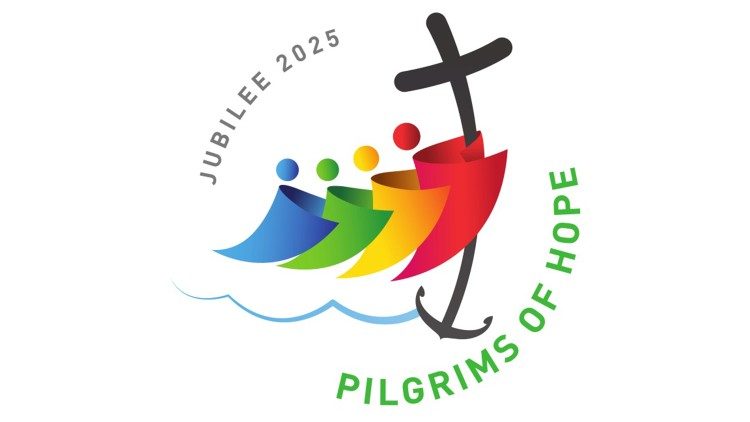
On December 24, 2024 Pope Francis initiated the Year of Jubilee for 2025. It will conclude on January 6, 2026. Here are a few answers to some questions you might have about this special year.
What is a jubilee year?
A jubilee year is a deeply rooted tradition in the Bible. The ancient Israelites celebrated a year of jubilee every fifty years. The jubilee year was marked by three primary actions: 1) the forgiveness of debts, 2) the freeing of slaves, and 3) reverence for the land. To appreciate the significance of these actions:
- Imagine if your car payment, rent or mortgage, or your credit card debt was “forgiven” for an entire year
- Imagine if you were working for “slave wages” and suddenly your wages were increased five-fold! You could begin to regain your financial “freedom.”
- Imagine if sustainable agricultural practices became wide-spread, and we were producing crops not only in a way that respected the earth, but also in a way that produced healthier and more abundant food for human consumption.
In short, the Jubilee year was intended to offer people a fresh start with their lives.
The first Jubilee year in the Roman Catholic Church was instituted by Pope Boniface VIII in 1300. The tradition has been practiced throughout the centuries.

Why the theme “Pilgrims of Hope”?
The theme suggests that this year should be a time for hope in the world in the midst of war, violence, the long term effects of Covid-19, the vast number of refugees all over the world, and the environmental crisis we are experiencing. Pope Francis said:
We must fan the flames of hope that has been given us and help everyone to gain new strength and certainty by looking to the future with an open spirit, a trusting heart, and far-sighted vision.
What does the logo mean?
I for one really like the official logo of the Jubilee year. (see the top of the page) It shows 4 pilgrims (from the 4 corners of the world)… each one in different colored clothing (to represent humanity’s diversity)… all in the same boat… embracing and supporting each other… as we sail over the rough waters of our present time. The first pilgrim holds the cross up high. The cross is the great symbol of faith, salvation, love, and Jesus’ enduring presence in our midst. The bottom of the cross morphs into an anchor–an ancient symbol of hope.
What are some of the events being held in Rome during this year?
Throughout the year, there will be gatherings of pilgrims from all over the world. Rome is expecting 25 million pilgrims! There will be gatherings and sessions devoted to specific segments of the Church, such as: the sick and health care workers, journalists, deacons, artists, volunteers, teenagers, police and security personnel, bands and pop music–to name a few. The dates and schedule for these events are listed on the jubilee website. The website is accessible in nine languages. (see below)
Anything else?
There’s a special jubilee hymn which will be our video today. In imitation of the Olympics, the Jubilee year even has a mascot. Her name is Luce (which means light). Notice her walking staff, her hoodie, her sturdy and muddy boots. This little character is ready for some serious “pilgrimage-ing!”

In short, the goal of the Jubilee Year is to foster a sense of hope in a world in desperate need of this vital component of our Christian faith. Here is the address of the Jubilee website:
www.iubilaeum2025.va
I found the website informative, inspiring, and beautiful! Throughout this year you might want to check it out.
Reflection:
Did anything stand out for you concerning the Jubilee Year?
Is your diocese or parish doing anything special to celebrate the jubilee year? If so, could you share that with us below?
What are some of the ways we can (in the words of our Holy Father) “look to the future with an open spirit, a trusting heart, and a far-sighted vision”?
Did any of you reflect on the picture of the little shoot emerging from the drain? If so, did you answer the question in the caption? I’d love to hear what you thought!
Announcing my new book!
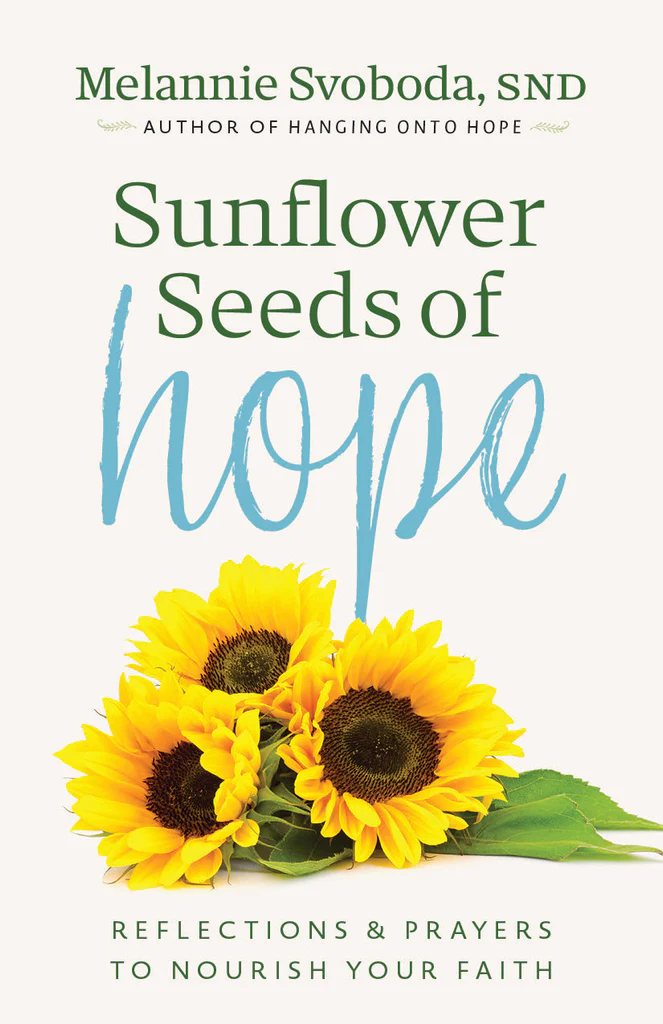
My new book, Sunflower Seeds of Hope is now available
at Twenty-Third Publications, Amazon, and Living Faith Resources.
I haven’t seen it yet “in person,” but I hope to receive a copy soon.
Note: I dedicated this book to all the readers of my blog. But on the final draft, I made a mistake and didn’t include the dedication. Mea culpa! On future reprints, I hope to correct that mistake!
As I mentioned, an official hymn has been written for the Juiblee year. It is performed here in English by the choir of the Shrine of the Immaculate Conception in Washington, D.C.
I invite you to jot down a comment below!
“Be Still and Know that I am God” (Ps. 46:10)
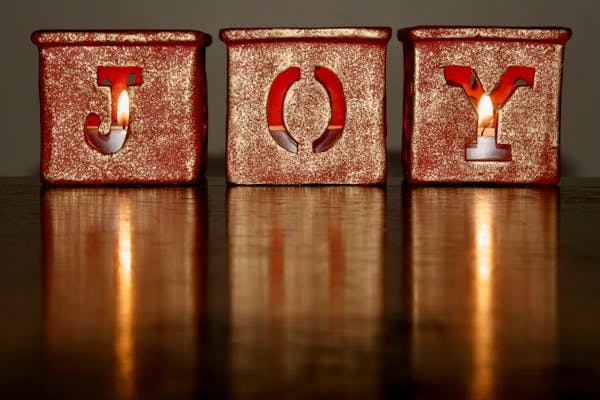
That scripture verse is one of my favorites. In fact, many years ago, one of my artistic friends, made me a clay vigil light holder with the two words “Be still” carved out on one side and the word “peace” on the other. When I put a small candle inside and light it, the light shines through the carved-out words. It’s lovely! I think this particular scripture verse is very appropriate as we end the old year, 2024, and begin the brand new year, 2025. What beautiful words to keep in mind throughout this New Year: “Be Still and know that I am God.”
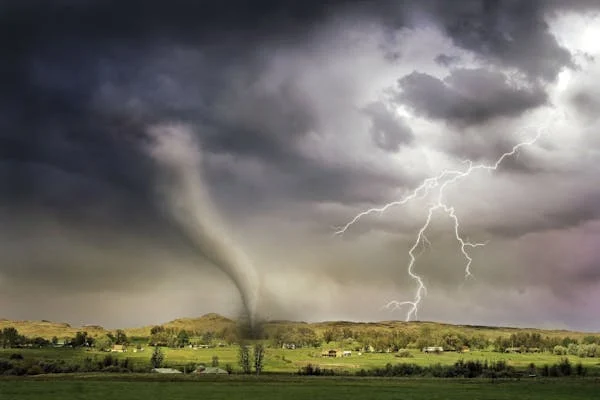
Today I’d like to reflect briefly on Pslam 46 and verse 10 in particular. First some context. Scripture scholars believe this psalm was written when Judah was being invaded by the powerful Assyrians. That’s important. The psalm begins with: “God is our refuge and our strength, an ever-present help in distress.” So this psalm was written not when everything was “hunky dory” for the People of God. It was written while they were undergoing severe “distress.” This is significant for us. When things are going well for us, we can begin to believe we don’t need God. We might even be tempted to say to God, “Don’t worry about me, Lord. I have everything under control.” But when we’re experiencing raging storms, darkness, uncertainty, and fears of all kinds, then this psalm might be exactly what we need to pray.
Pastor John Miller of Menifee, California, wrote a beautiful reflection on Psalm 46. He says that someone has called Psalm 45 “a recipe for confidence.” Miller calls this psalm, “a prescription to take when life falls apart.” We reach out to God for help. And Miller reminds us, “When we call out to God, we never get God’s voicemail. That’s because God is with us.” Always.
Probably verse 10 is a favorite for many of us. The phrase “Be still” means much more than simply, “Don’t move” or “be quiet” or “settle down.” Some scripture scholars say it can mean “take your hands off.” In other words, “Let go of trying to be in charge of your life.” Carrie Underwood’s popular song, “Jesus, Take the Wheel” immediatly comes to my mind. It is one of the suggested videos at the end of this reflection. “Be still” can also mean “quit messing things up.” That’s another way of saying we shouldn’t assume it’s our job to fix everything that’s wrong. For example, we do not have to fix this person, this problem, this situation. Instead, we must trust in God more. After all, Psalm 46 says twice, “The Lord of hosts is with us, our stronghold is the God of Jacob.”
Another interpretation for the phrase “be still” is this: “have leisure.” This interpretation flows from the Jewish Sabbath tradition. On the Sabbath the people were commanded to refrain from their work. Instead, they were to gather together to worship God. Often this worship took the form of thanking God for all their blessings. Also, the people were to use the Sabbath to relax and have leisure with each other in order to strengthen family and community bonds. God seems to know that there is always the danger for us humans to overwork. In fact, at times we can even turn our work into an idol.
Miller includes in his reflection this old poem that reflects the more modern saying, “Let go and let God.”
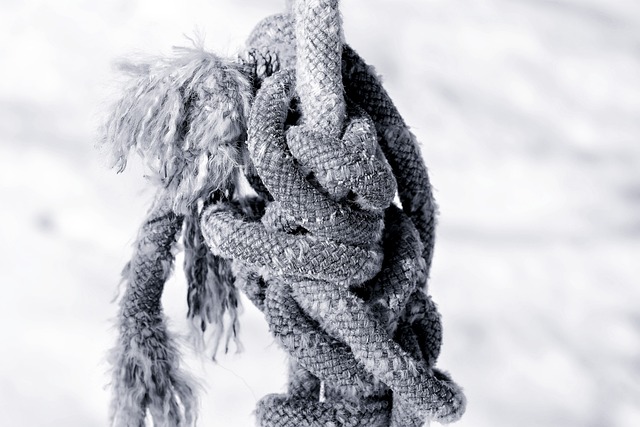
With thoughtless and impatient hands,
We tangle up the plans the Lord hath wrought.
And when we cry in pain, God saith,
“Be quiet, child, while I untie the knot!”
For reflection:
What words or phrases stood out for you in this meditation?
When you are in darkness or experiencing raging storms in your life, do you turn to God? If so, what words do you use?
Do you have any favorite prayers for difficult times?
Suggestion: Read slowly and prayerfully today the entire Ps. 46. (It’s only 12 verses!)
Prayers and best wishes to each of you for a Blessed and Happy New Year!

PS: Next week’s blog will focus on the Jubilee Year 2025: Pilgrims of Hope.
Here are two videos for your inspiration. The first is “Be Still” by Seeds Kids Worship. What drew me to this particular version of the song was the use of babies and small children. Just as good parents are attentive toward their children 24/7, so is God attentive to each one of us. The second song is Carrie Underwood’s “Jesus, Take the Wheel,” about our allowing Jesus to be in the driver’s seat of our life.
“Be Still”
“Jesus, Take the Wheel”:
I welcome your comments below!
Stories Flowing from the Christmas Story

We’re all very familiar with the story of the first Christmas. But here are a few other stories that flow from that first Christmas.
The real meaning of Christmas:
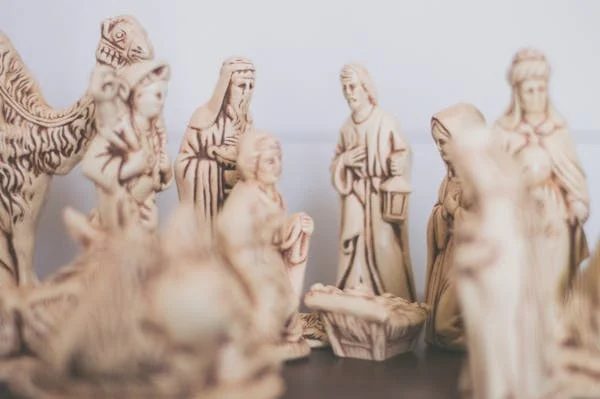
A priest friend of mine went into a large discount store to buy a nativity set. When he didn’t see any amid the vast array of Christmas items, he asked a clerk if they had any. “Oh, no,” she said. “We don’t sell stuff like that–only Christmas things.”… Millions of people all over the world celebrate Christmas, but how many of us keep in mind the real meaning of Christmas: the coming of Jesus into our world?
God works through all kinds of people:
The Christmas story sets before us an array of individuals who played a role in that first Christmas: a first-time mom, a mere teenager, giving birth in a barn 100 miles from home; a conscientious and protective young husband, a simple carpenter by trade; an egotistical emporer who wants to count the millions of people in his vast empire–to make sure he’s getting all the tax money due to him–no matter what great inconvenience his order has on his subjects; a bevy of singing angels; a band of hard scrabble shepherds doing what shepherds do: watch their sheep–especially at night; a mysterious trio of scholarly star-gazers in search of a baby-king; a megalomaniacal local tetrarch who gives a horrific order to slaughter young boys two and under; his obedient and brutal soldiers who carry out his awful command; the wailing parents of those slaughtered little boys, victims of powerful evil forces inflicting unimaginable suffering upon them.
One lesson the Christmas story teaches us is this: God works through all kinds of people. All kinds. The young and old, the simple and sophisticated, the rich and poor, the kind and ruthless, the good and bad. Each individual listed above played a role in salvation history. Some did it knowingly; others without any knowledge. Some through their love and goodness; others through their wickedness and evil; still others through their innocent suffering that made it possible for Jesus to live. One question Christmas poses for us is this: what role am I currently playing in the story of salvation?
Let us not forget the children:
Christmas is for children. And sometimes children can remind us of what Christmas is really all about.
Fifth graders were asked: what is the meaning of Christmas for you? One girl wrote, “Christmas means giving, loving, and family.”
In his letter to Santa, one 6-year-old boy asked for a weekend.
In her letter to Santa, one girl began by telling Santa: “I have been 80% good.” Her parents admired her honesty.
One little girl put this note next to the cookies and eggnog she put out for Santa: “If you really like eggnog, go into our refrigiator.”
The students were asked to write about how they feel about Christmas. Said one girl: “I’m really happy for God to have a birthday, because he is always taking care of us.”
School Christmas pageants don’t always go as planned. The children were told to ad lib their lines. So when Joseph and Mary came to the inn and asked if they had any room, the innkeeper said, “Heck no! We’re booked till Easter!”
In this Christmas pageant from a church in Tennessee we see a beautiful nativity scene with Mary, Joseph, baby Jesus in the manger, an angel, two barn animals, and a sheep. Everything’s going fine until the sheep snatches baby Jesus from the manger:
For reflection:
What does Christmas mean to you?
What’s your favorite part of the Christmas story?
What’s your favorite part of celebrating Christmas?
Do you have a favorite Christmas song?

I wish you all a very Merry Christmas…
filled with gratitude for all your blessings…
overflowing with love and sharing with others…
and permeated with peace and joy and hope!
I chose a beautiful version of “Silent Night” by musician and songwriter Bravely Gray. I like the piano and voice and all the candles amid a stark wooden background. In the film clips, I also like the humanity of the people who were there at the first Christmas. I like the fact that the video depicts the Magi arriving a couple of years after Jesus’ birth. That’s what scripture implies. And finally, I love the little boy Jesus who greets the Magi at his home!
As usual, I welcome you to write a comment below: