Praying with Works of Art
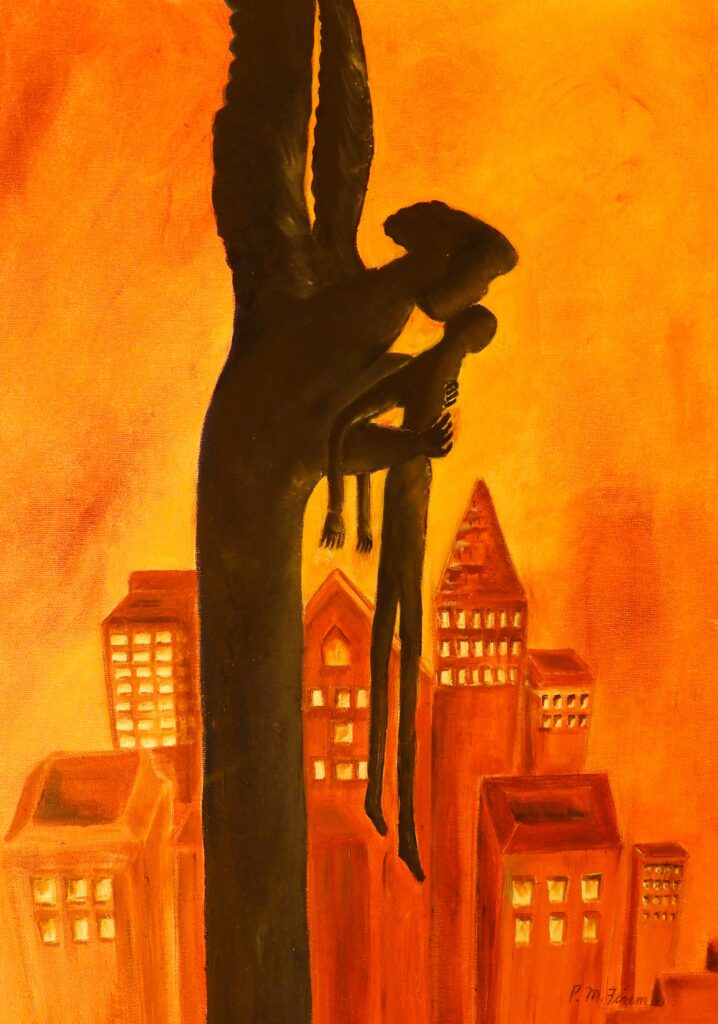
In my book, The Grace of Beauty, I write “Beauty can affect us in many ways. It can stop us in its tracks, lighten our heart, calm our anxiety, ease our pain, move us to tears… Beauty even has the power to draw us to the ultimate source of all beauty, our Creating God.” With that thought in mind, I want to direct your attention today to the beautiful art work of a local artist (and friend), Pat Firem. And, after you view some of her works, I’m hoping you might be drawn to praying with one of them.
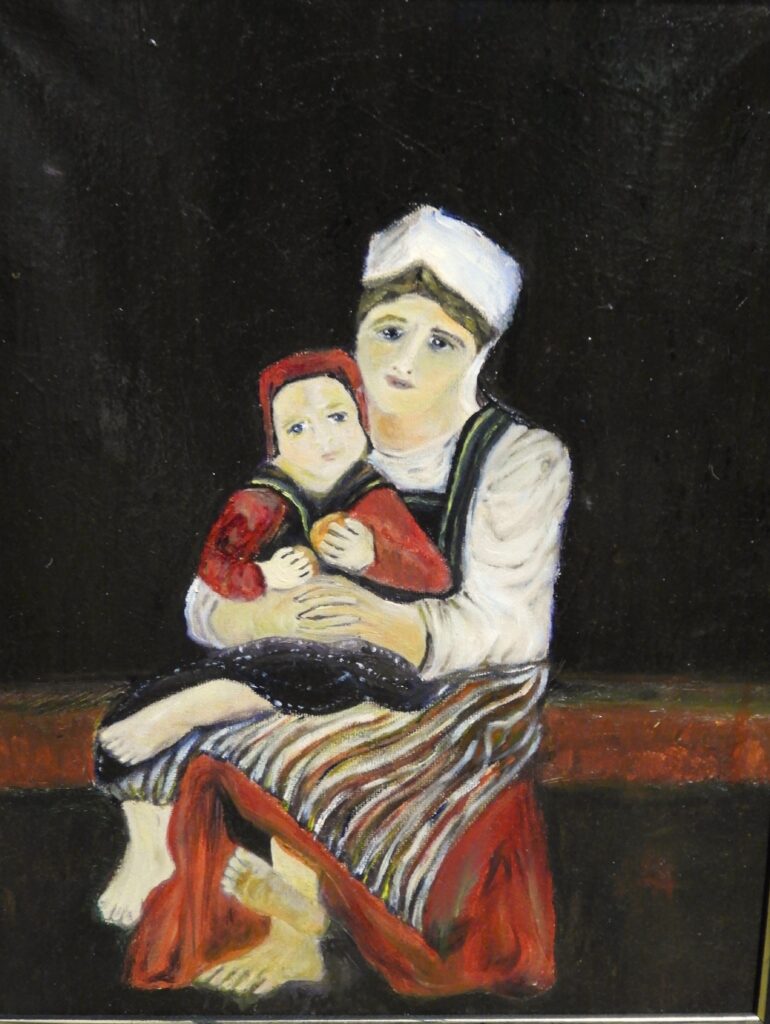
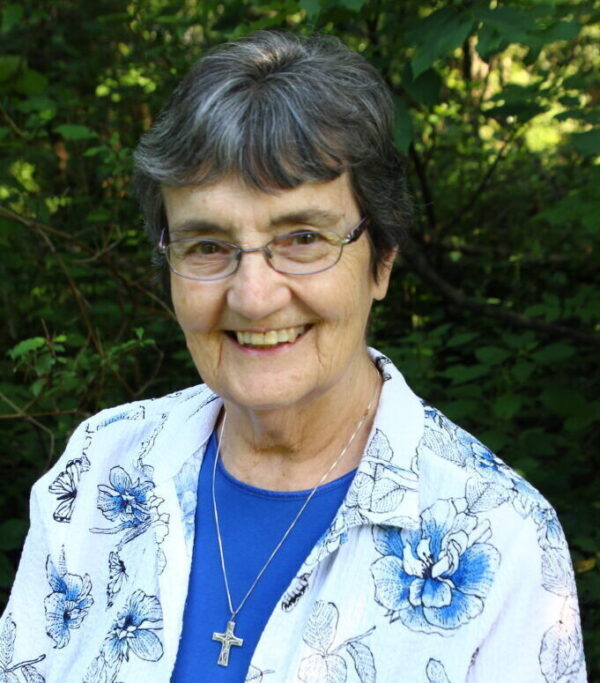
Pat, 77, is a retired licensed psychologist who has called Geauga County “home” since 1974. She began her “art career” as a child “with a box of 24 Crayola crayons.” In sixth grade she took a summer drawing class at the Cleveland Art Museum, and has been “dabbling in the visual arts ever since.” Many of her artworks have a spiritual theme. She says, “I find that art and spirituality come from the same shared space within me.” She adds, “As a psychologist, I know these realms (of our creative selves and spiritual selves) lie close to each other in the brain.” Pat says she is not a professionally trained artist, but she has benefited from other gifted artists along the way. Her oil painting teacher, for example, is Sister Maresa Lilley, SND, whom I featured on my blog on July 17, 2022. Some of Pat’s artwork draw upon the works of well-known artists for the subjects. She explains, “These paintings are not slavish copies, but tributes to the artists who inspired them. Each classical artist is carefully acknowledged.”
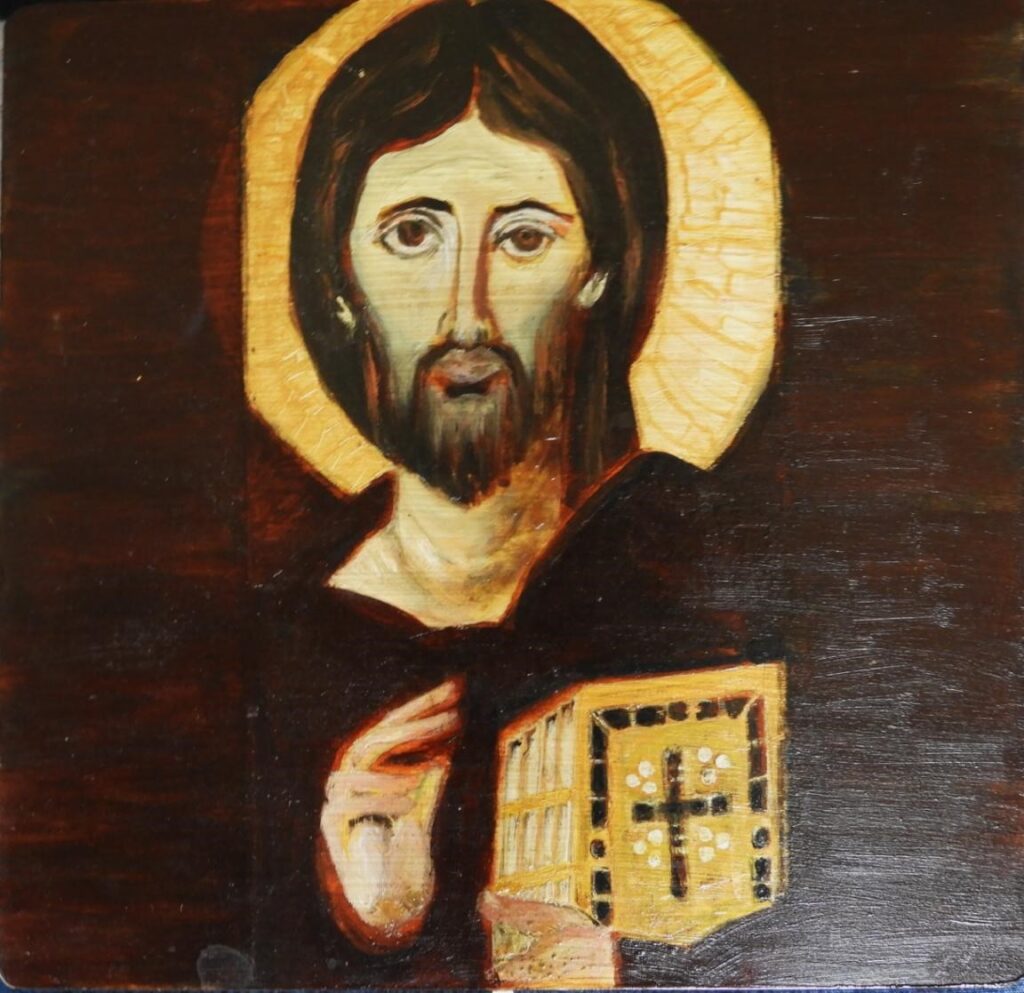
I was impressed by the wide variety of mediums in which Pat works: watercolor, oil, pencil, charcoal, colored inks, eggshell mosaics, photography, and mixed media. When I asked which was her favorite, she said, “Right now, it is oil painting and charcoal. Ask me in a few minutes, and it might shift. I like to explore!” I am posting here several of her art pieces, with a few of her words about each piece. I suggest you focus on one for a few minutes and pray with it. You might begin by reflecting on questions such as these: What draws you to this particular work?… How does it make you feel?… What details do you notice?… Does it “say” anything to you?… What do you like about it?… Does anything in it move you?… Is there anything you would like to say to the subject(s) in the painting, to the painting itself, or even to God as you view this artwork?
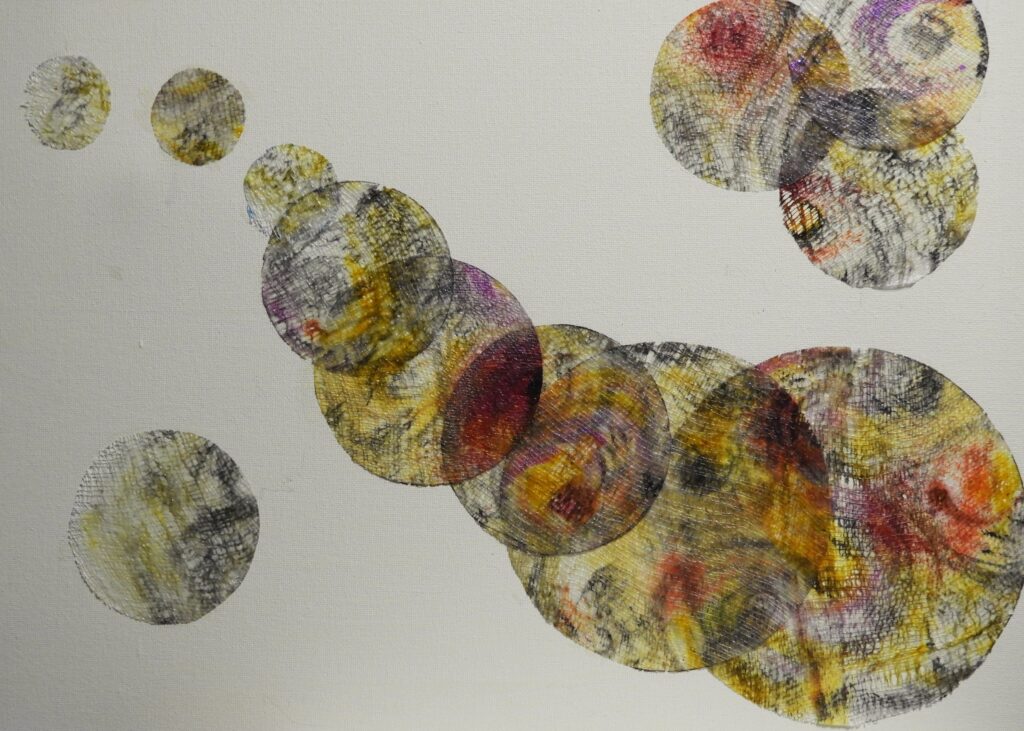
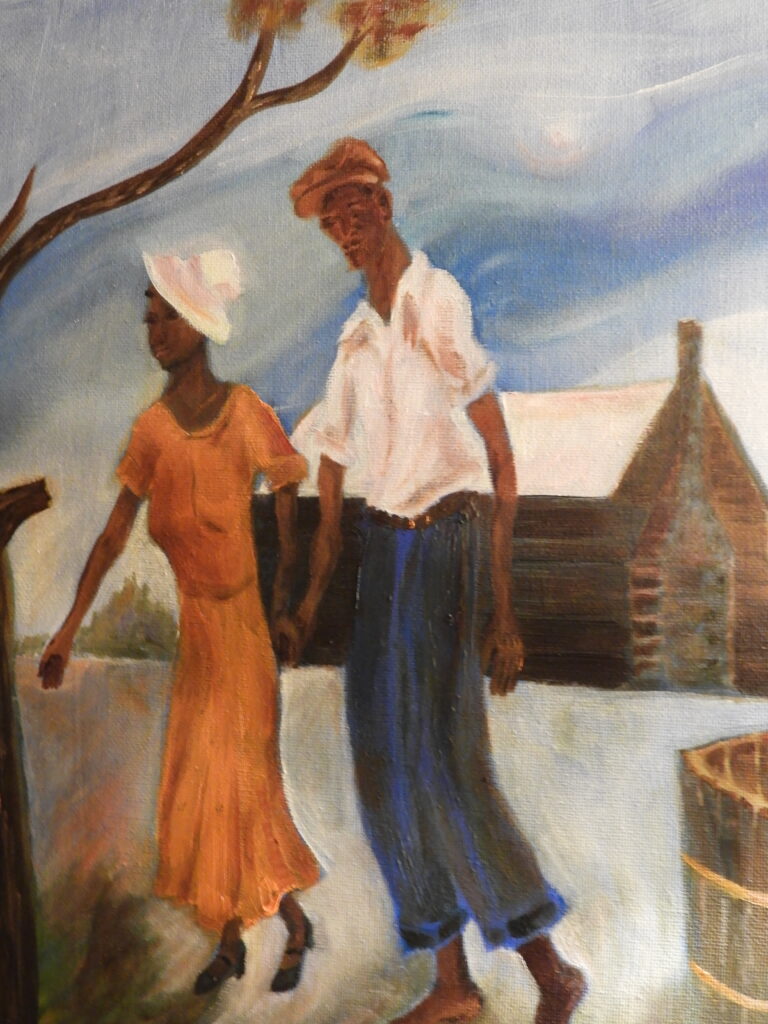
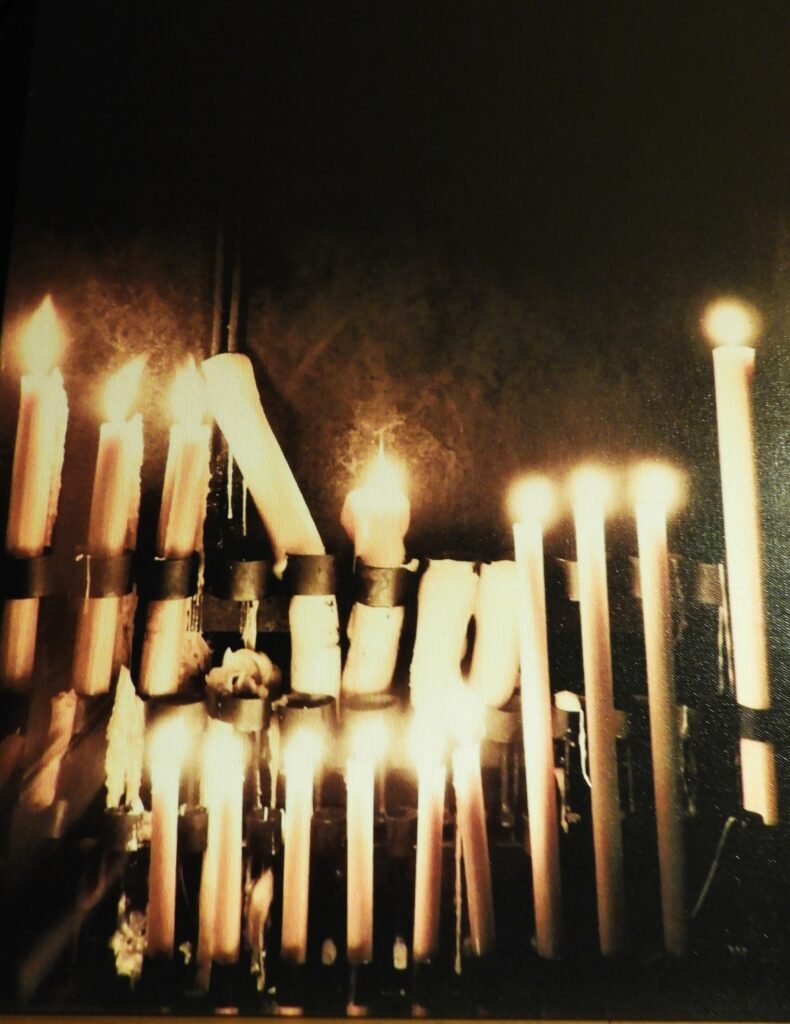
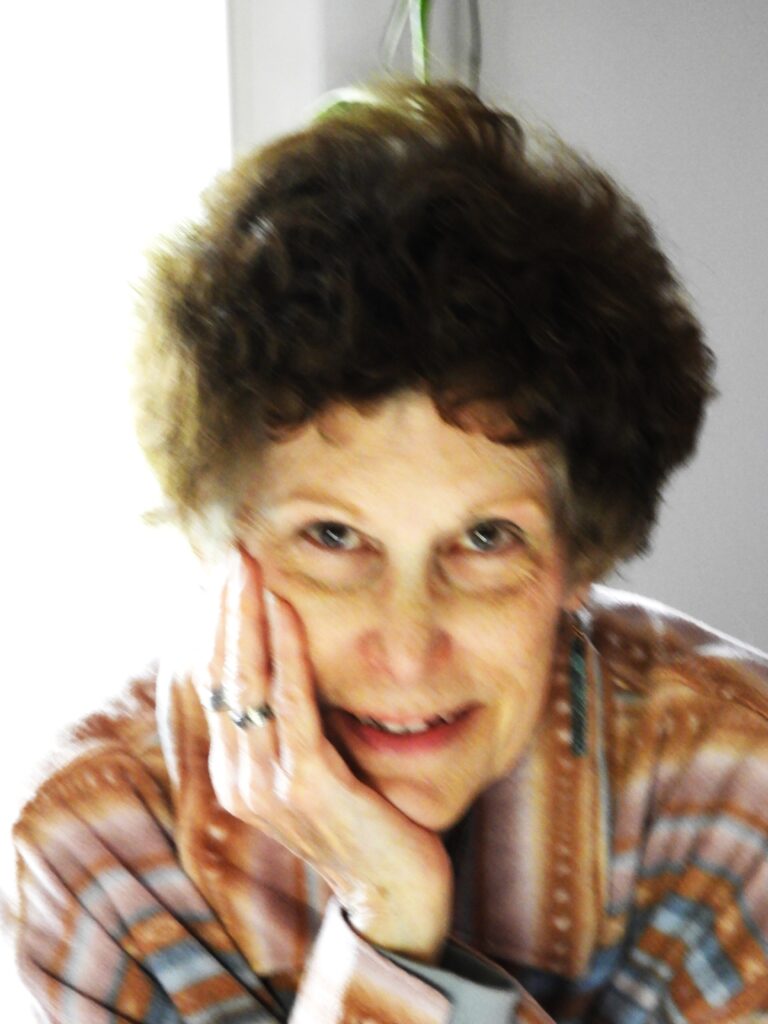
If you are interested in seeing more of Pat’s work or to get information about purchasing one of her pieces, just email her: [email protected]. The following quote really speaks to Pat and her art work–and it really spoke to me too. Writes Russ Ramsey, author of Rembrandt Is in the Wind: “By light we do our work. By that same light, others behold it. And all the light is borrowed from God…”
****************************************************************
P.S. I have two upcoming presentations in April: Thursday, April 4 I’ll be speaking at the First Friday Club in Youngstown, OH. My topic is “Mary: One of Us and Woman of Hope.” The event includes luncheon at the Avion on the Water Banquet Center in Canfield, OH followed by my talk. Check the First Friday Club of Youngstown website for details.
The second event is a retreat from April 14-19 sponsored by the Heartland Center for Spirituality in Great Bend, Kansas. You can make the retreat at the Center or via zoom from wherever you are. The theme is “The Power and Mystery of God’s Extravagant Grace.” I’ll give two conferences each day via zoom. Check their website for details. I hope to see some of you at these events! I always enjoy meeting “real readers” of this blog!
******************************************************************
Speaking of artists like Pat firem, I found a new musical artist. Her name is Anne Trenning and she’s described as an “instrumental pianist.” She believes that “music is an otherworldly blessing.” Her music, it is said, “reflects her classical training and her love for new age, Gospel, Celtic, jazz, classic rock, and folk.” She collaborates with other musicians and artists to produce these lovely videos. This one is called “A Prayer for the World.” In this time of war and unrest in our world, let us pray these simple words, reminding ourselves that “we are all one.” Hopefully Trenning’s music and the images of nature will draw us to celebrate THE Master Artist, our Creating God.
I encourage you to share your thoughts, your comments, your prayers below….about the words of the reflection, the art works themselves–including the music video…
“Alfie & Me” by Carl Safina
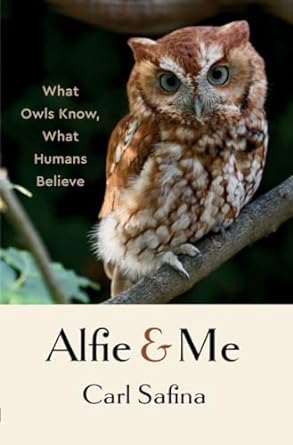
A friend recently gave me a marvelous new book to read during my recovery from hip surgery. It’s called Alfie & Me: What Owls Know, What Humans Believe by the award-winning ecologist Carl Safina. The book tells the story of how Safina and his wife Patricia, on their Long Island property, rescued, raised, and freed an orphaned screech owl they dubbed Alfie. But it’s so much more than a story about a cute little owl. (Screech owls are only about 8 inches tall.) As one reviewer so beautifully wrote, the book is also “a fervent homage to a dynamic interdependent universe.” (Kirkus Reviews)
When Safina and his wife first find Alfie, she is near death. Seeing the first photo of Alfie (the book has eight pages of colored photos documenting Alfie’s life), I found it hard even to tell she was an owl. But the Safina’s had experience rescuing animals, so, through hard work and infinite patience, they gradually brought the tiny owlet back to life. From the beginning, their goal was not to tame Alfie, but to one day give her the freedom to live an owl’s life independent of them. At first, because of her fragility, Alfie had to be confined to their house. But eventually she was given a large screened in area out back where she could be outside and freely practice her flying while being safe from predators.
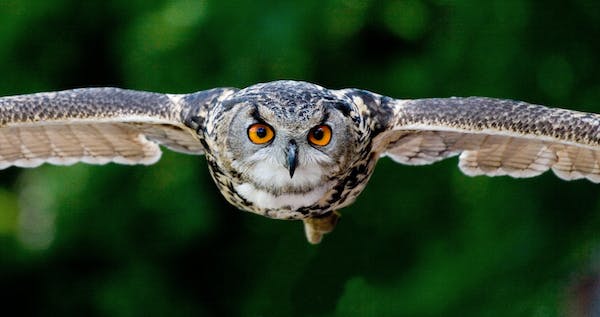
One day when Safina goes into the screened in area to feed a defrosted mouse to Alfie, he intentionally leaves the door wide open. Sure enough, after eating, Alfie flies out the door and heads into the woods surrounding their yard. Later, she returns hungry, but over time her flights take her deeper into the woods and back. One time when she returns with a moth in her beak, Safina is elated. Alfie was learning to hunt. She was becoming a real owl.
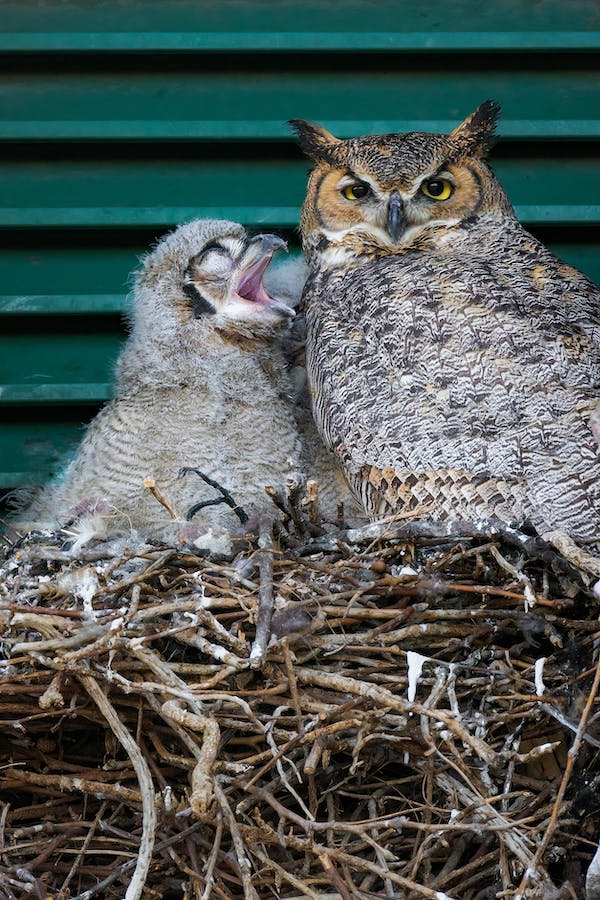
One of the most fascinating sections of the book for me was Alfie’s finding of a mate who Safina calls Plus-One. The story of their courtship is tender, lovely, and sexy! Plus-One at first brings food to Alfie: insects, moles, small birds. They begin to “passionately” seek each other in the woods. They sit together on a branch for long periods of time making low and soft sounds. Then they begin to groom each other. All these behaviors increase their trust in each other and strengthen their bond. Finally, Safina witnesses their copulation—not just once, but many times over the course of several weeks. A short time later, when both owls are away from their nesting box, Safina crawls up a ladder to check their nest and discovers not one but three eggs! In time, all three eggs hatch. Anyone who has ever raised a child will appreciate the hard work both parents are required to do to keep their growing children well fed and safe.
Safina weaves into the story of Alfie his vast understanding of history, science, world philosophies, and world religions. Here are a few quotes from the book that caused me to reflect:
- Safina writes: “Capacity for astonishment makes a superior being.” I like that! Then he quotes James Somer who wrote on his blog: “In (biology) textbooks, astonishing facts were presented without astonishment. Someone probably told me that every cell in my body has the same DNA. But no one shook me by the shoulders, saying how crazy that was.” (I thought: isn’t that the role of a good teacher, parent, grandparent: to shake the shoulders of the younger generation and call their attention to the incredible, fascinating, astonishing world we are a part of?!)
- Safina laments the “me first” attitude he sees in our U.S. founding documents compared to the “communal focus” he sees in several other countries. He contrasts our “Life, liberty, and the pursuit of happiness” with the French Revolution’s “Liberty, equality, fraternity.” He writes, “Imagine a nation predicated on the pursuit of things such as community… compassion… service… equality… nurturance.”
- He quotes the Hindu Upanishads: “Those who realize that all life is one are at home everywhere and see themselves in all beings.”
- Recently a University of Oxford professor told the BBC news, though their major was biology, “Half of our first year students can’t name five birds (that are native to Britain), and 20% can’t name one.” Question: can you name five birds that are native to your country?
- In 2007, the Oxford Junior Dictionary began dropping words like heron, leopard, oyster, otter, magpie, and lark because they weren’t being used enough. Instead, they added words such as bandwidth, chatroom, block graph, and celebrity. “Author Robert Macfarlane stated the obvious problem: We cannot know what we cannot name; we cannot care about what we do not know. As we erode the natural, we lose our desire to know, and then we forget how to remember.”
Alfie & Me is a refreshing and important book. I agree with Isabella Rossellini who said it is “a unique book that is both scientific and spiritual.” And with Jennifer Ackerman who wrote, “The book is brilliant. It made me laugh, weep, marvel.” For me, the book made me mostly marvel. Yes, definitely marvel!
Reflection questions:
Is there anything in this reflection that stood out for you?
Have you ever been in a situation where you’ve tried to save an injured animal (other than human)? If so what prompted you to do that? Were you successful or not?
Do you have a favorite bird? Why is it your favorite?
When have you felt the connectedness of all of creation? (Example: April 8th a solar eclipse will pass over parts of Mexico, the U.S. [from Texas through Maine], and Canada. We living near Cleveland, OH will experience the eclipse starting at 1:59 pm and ending at 4:29 pm. We will enjoy the total eclipse from 3:15 to 3:17. Even the Cleveland Guardians Opener is scheduled to respect this phenomenon. Game starts at 5:10 but gates are open at 2:00 so fans can view the eclipse from the comfort of their seats inside the stadium!)
**************************************************************
PS: I will be giving an afternoon retreat reflection via zoom on Sunday, May 19, 2024 sponsored by the Portiuncula Center for Prayer in Frankfort, IL. The program runs from 1:30 – 4:00 (Central) and is entitled Finding God in the Ordinary and Amazing. Together we will explore some of the ordinary and amazing ways God breaks into our lives: through the wonders of nature, the joy of friendship, prayer, a news headline, a favorite song, a small child, our personal pain and sorrow. Using prayer, scripture, music, short videos, humor, and sharing, hopefully our time together will be inspiring, encouraging, and relaxing! The fee is whatever donation you can make. Check their website for more details: www.portforprayer.org. It would be wonderful to meet some of you via zoom that afternoon!
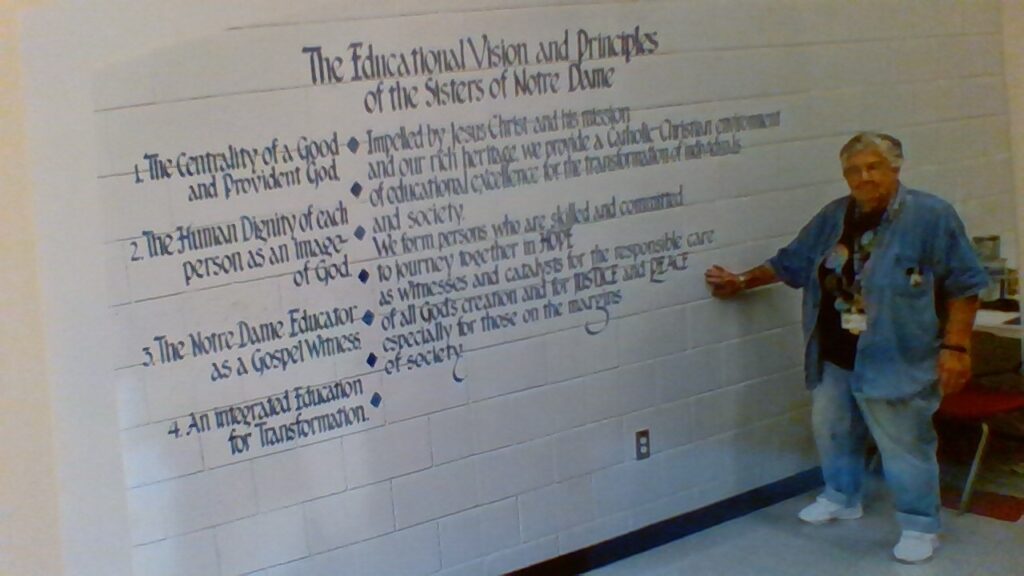
PS #2: Last week, one of our readers, Sr. Jo Zeitz, SND, mentioned the calligraphy project she had just completed at Clearwater Central Catholic in FL. Here is picture of her with part of that project: a calligraphy mural on the “Educational Vision and Principles of the Sisters of Notre Dame.” She also did more beautiful calligraphy on the walls of the school chapel. Sister Jo has been doing calligraphy since she was 12 years old. She accomplished this incredible art work despite limitations in her vision and her mobility! She says, “I hope to continue ‘Proclaiming the Beauty of the Word’ (my motto) for as long as I live.” Sister Jo is truly amazing!
***************************************************************
I’m offering you two videos this week. The first ( 4mins.) is Pope Francis’ “Prayer for Our Earth” from his encyclical Laudato Si! This particular version is the prayer set to music and powerful images. The second video, featuring naturalist Robert E. Fuller, is a 50 minute video called “Wild Tawny Owls Adopt 6 Orphaned Owlets.” It tells the fascinating and true story of a pair of adult owls, Luna and Bomber, who, when their own eggs prove to be infertile, end up adopting and raising six orphaned owlets! It’s filled with incredible footage from both inside and outside the owls’ nest. Hard-working Luna and Bomber reminded me very much of Alfie and Plus-One.
“Prayer for Our Earth”:
“Wild Tawny Owls”:
I hope some of you will write a comment below on any aspect of this week’s blog. We would all love to hear from you!
My Sojourn in Hippy-Land
This past month I visited a special place I call Hip-Replacement-Surgery-Land—or Hippy-Land, for short. During my sojourn there, I learned (or re-learned) many things. Here are a few of them.
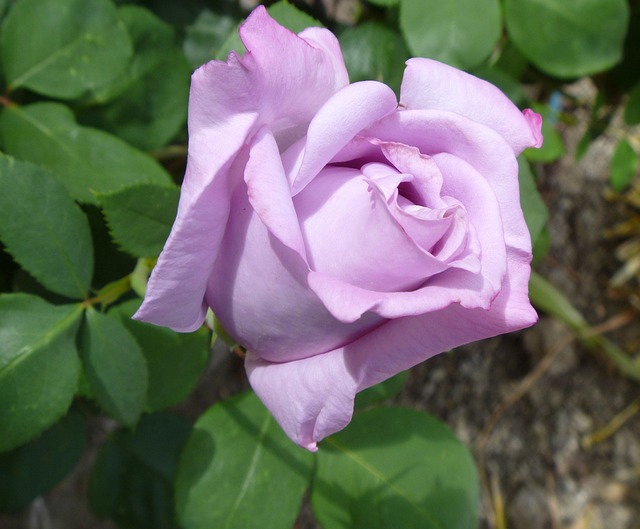
The power of prayer. So many people said they were praying for me—family, friends, readers, even strangers—that I felt encompassed by the love and goodness of others. Their promises of prayers and their good wishes gave me great consolation and courage. I thought, “No matter what happens, Melannie, you are being held.”
The healing power of my own body. Two weeks before the surgery, I held the titanium prosthesis the doctor was going to insert into my hip (after he removed my “original parts” that served me well for 79 years!) The new ball was rough to the touch. He explained, “That’s so your bones will grow around it.” I thought, “My bones know how to do that? Wow, I have smart bones!” During my recovery, I realized I have a smart entire body! For a great healing power resides within me–and in you too! In many ways, we are stronger than we think. I asked myself, “How am I using my powers for good?”
I stand on the shoulders of giants. The first metal-on-metal hip replacement was done in 1953. Those early surgeries were 74% effective. Today this surgery is one of the most successful orthopedic surgeries of all time. I was a beneficiary of all that research, knowledge, and experience accumulated during those seven decades! So, I not only stand on the shoulders of giants, I walk on their hips too!
Living off the grid. I am fascinated by TV programs showing people living off the grid. In a way, I felt I was living “off the grid” for two weeks. I didn’t go anywhere, I had no responsibilities (except to heal!) and I didn’t even look at my calendar! I let go of my ordinary work life–and (guess what?) it was refreshing!
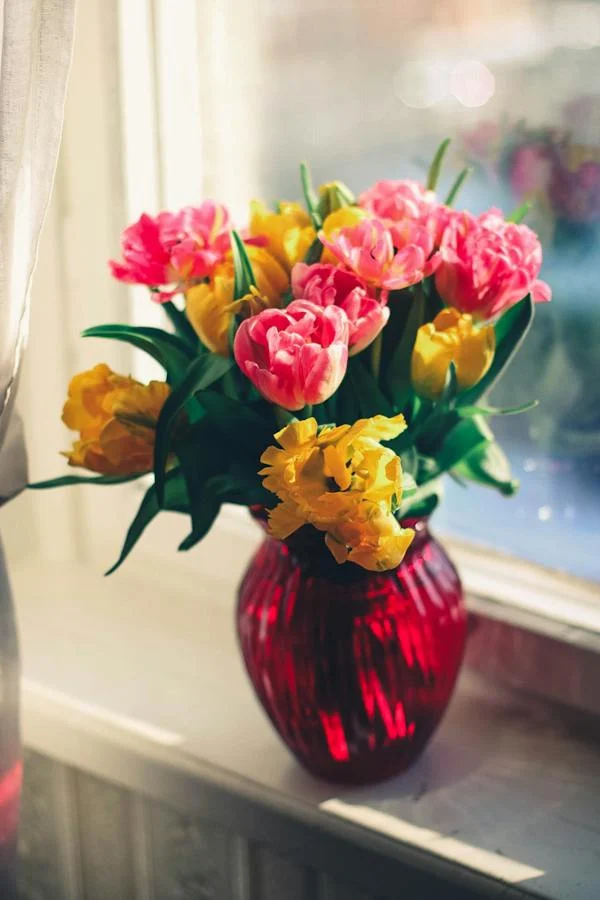
Big Hearted Blooms. I stayed in our health care center for my recovery. One day, the aides came by my room pushing a cart loaded with vases of flowers. One vase for each resident. My bouquet contained five large lavender roses (like the rose featured at the beginning of this reflection) and rainbow colored baby breath. My flowers were exquisite! The woman who delivered them was a volunteer from “Big Hearted Blooms,” an organization that collects flowers from weddings, banquets, and funerals, arranges them in donated vases, and delivers them to individuals in care facilities. Their motto is: “Delivering joy through recycled flowers.” This is another example of good people, quietly doing a good and beautiful thing!
The care in healthcare. During my three and a half weeks in our healthcare center, I experienced the “care” in healthcare every day–from the nurses, aides, food service personnel, housekeeping staff, laundress, pastoral team, activities director, and physical and occupational therapists. For me, it was hard during those first days to ask for help for everything–especially at 2:30 in the morning! But, as more than one aide told me cheerfully when I apologized for bothering her, “That’s what I’m here for!” My stay gave me a greater appreciation of the many individuals who devote their lives to healthcare. And it reminded me of how many caring individuals it takes to operate the fine healthcare center we Sisters of Notre Dame have!
Insurance and the common good. Throughout this time, I never lost sight of how lucky I am to have health insurance! I checked: in the first three months of 2023, 25.3 million Americans or 7% of the US population did NOT have health insurance. The whole concept of insurance is based on the communal aspect of human living. In short, we pay insurance even when we don’t need it–so that those who do need it, are financially supported. And we draw out when we do need it, being supported by the rest of the community. Insurance (as well as taxes and many of our laws) only “work” if we believe in the “common good.”

Normal is beautiful! I returned to my apartment a few days ago, and my life is slowly getting back to normal. It feels so good to sleep in my own bed and pray in my own chair. Recently I saw an ad for a home decor store which said, “Ordinary is the opposite of beautiful.” I totally disagree! Returning home has re-taught me: The ordinary can be extraordinary! The everyday can be wonderful! The normal can be beautiful!
Cards. I received quite a few get-well cards. A friend arranged them on the shelves in my room so I could see and enjoy them every day. I appreciated all my cards! But one friend sent me not one card, but five cards–throughout my recovery. All were funny but they had a serious message too. I’ll end this reflection with her final card (by American Greetings) that said this: “The healing power of the Smiley Face… Smileys have been known to induce silliness. Side effects may include laughing, doing cartwheels, and an urge to draw more smileys. Smileys chase away the blues. Last but not least–smileys may become habit forming!”

For reflection:
Is there anything in this reflection that caught your attention today? If so what was it and why?
Have you ever experienced or are you currently experiencing a serious health issue? If so, what lesson(s) did you learn or re-learn from that experience?
Do you know any “good people quietly doing good and beautiful things”? If so, would you like to share them with us?
Our video is a good one for Lent. It’s “O God of Every Longing” by Sarah Hart. The song raises the question: what are you longing for? That’s a good question to ponder during Lent. Are you longing for things like healing? peace? truth? guidance? hope? freedom? love? forgiveness? joy? deliverance? or perhaps something else? If we explore our deepest longings, we will find God there…
I encourage you to write a comment below…
The Wilderness Experience: A Reflection for Lent
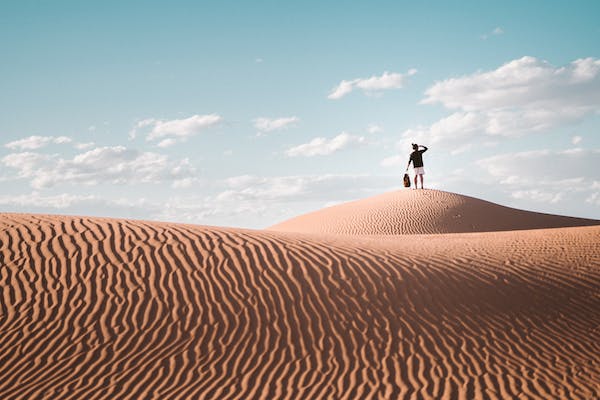
I was watching a TV show about game wardens in New England. One day they got a call from an anxious family reporting a loved one missing. She was an “elderly” lady (about my age at the time, I noted!), an avid hiker, someone very familiar with the mountain trail she was hiking on alone. She had dutifully reported in to her family regularly. But on the fourth day, when they didn’t hear from her, the family reported her missing. Soon hundreds and hundreds of volunteers were combing the trail and surrounding area where she was last seen. For weeks they searched for her. Think helicopters, bull horns, canines. But to no avail. When the harsh winter began to set in, the authorities were forced to make the painful decision to call off the search. Many months later, in the summer, other hikers, who were walking off the trail, stumbled upon a small campsite. Inside the tiny collapsed tent, were the remains of the missing woman. After determining there was no foul play involved, the authorities concluded that she had somehow become lost, eventually ran out of food, and met her death in the New England wilderness.
I remember thinking, Wow! Even someone with decades of experience on that mountain trail could get so disoriented, they could die! I concluded, the wilderness is a scary place. The wilderness is a dangerous place. The wilderness can kill you! In his book, Drink Deeply with Delight, Howard Hanger says this about the wilderness: “The problem with the wilderness is that you’re not in charge. The problem with the wilderness is, things aren’t organized. The problem with the wilderness is, life doesn’t run on schedule–or at least your schedule. The problem with the wilderness is… it’s wild.”
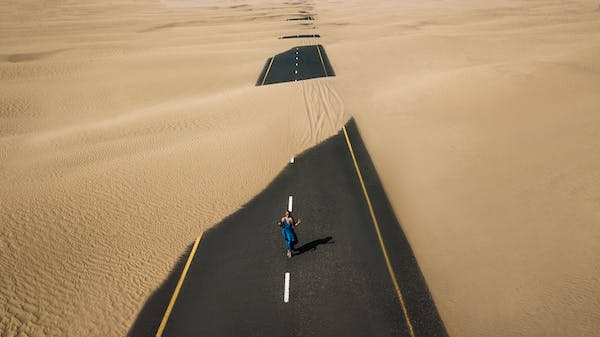
But can the wilderness also be a holy place?
I find it very significant that before Jesus called his first disciples, preached his first sermon, or healed his first leper, he deliberately chose to spend 40 days in the wilderness–certainly without a compass and probably without a tent. Why did he do this? Howard Hanger gives this clue: “When it comes to discovering who you are and what you’re about, never discount the value of a little time on the wild side.” Jesus was on the verge of discovering who he really was and what he should to do with the rest of his life. Perhaps he instinctively knew he needed time alone with his God, stripped of all the familiar people and trappings of his ordinary life. He needed to encounter not only himself, but also his God “face to face” (in a way). He needed to trust God to show him the next step to take in his life.
We don’t have to be in the New England woods or on a Galilean mountainside to experience the wilderness. Sometimes the wilderness can be our own hometown or even inside our own house. Just think of those times in your life where you felt lost, alone, not in charge. Times when your life seemed completely disorganized and nothing was running on your schedule. Here’s an example. Although I’ve never had a child, I think the birth of a first child can be a wilderness experience for parents. When my nephew and his wife had their first child, little Reece, and were packing things up to take him home, their doctor walked in and asked them how they were doing. My nephew, looking down at their day old, helpless little son said, “You know, Doctor, this is going to be a daunting task.” The doctor smiled and said, “Don’t worry, Chris. Remember: cave men and women did this!”
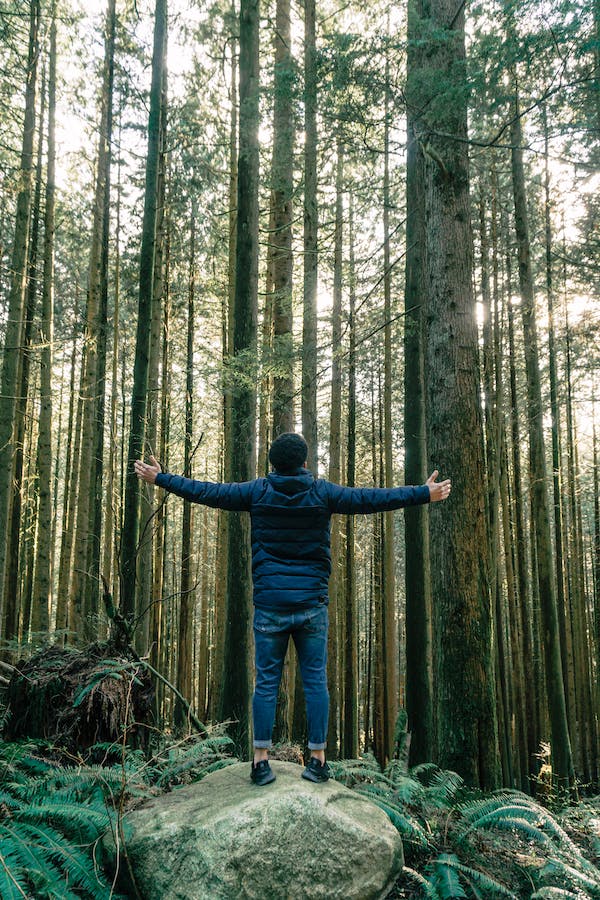
Other wilderness experiences might be: moving to another city or country, going off to college, making a retreat, starting a new job, going through a divorce, facing retirement, being diagnosed with a serious illness, losing a loved one. As discombobulating as it may be, the wilderness can be a holy place.
Perhaps we can look upon the 40 days of Lent as a wilderness experience. No, we need not seek out a cave or pitch a tent in a local forest. But perhaps we can set some time aside these days to do what Jesus himself did in the wilderness: to get in touch with who we really are OR who we really want to be (start with a child of God… a disciple of Jesus… a better spouse, parent, grandparent, adult child, friend, vowed religious man/woman, priest, human being!)… to re-appraise our priorities (One hint of our real priorities: how are we spending our time and our money?)… how might we deepen those relationships that we say mean so much to us? (Carving out time for our spouse… zooming an old friend… visiting an elderly relative…)… how might we grow in gratitude for all the gifts we have received in our life so far?… and (in the end) to formulate a plan for what we want to do with the rest of our life.
The wilderness can be a scary place where we are not in charge, where we do a lot of waiting, where we experience loneliness. But it can also be the place where, like Jesus, we encounter God in a new and life-changing way. For God is always with us in the wilderness. It is the place where God does some of God’s most creative and beautiful work!
I wish you all a rich and blessed Lent!
For reflection:
Have you ever had a wilderness experience? If so, what was that experience like for you? Did you experience God there? Did anything good come from that experience?
Have you ever been able to help someone else who was experiencing the wilderness? If so, how were you able to help?
How do you plan to “celebrate” Lent this year?
Our video today is a beautiful song called “The Wilderness.” It is sung by The Isaacs, a bluegrass southern gospel music group. Some of my favorite lines are: “You might have to wait… and pray more than you usually do… God won’t lead you where he won’t keep you… God says, ‘Remember who I am’… and keep movin’ on.”
I invite you to write a comment below–about the reflection itself, the reflection questions, the video, or the photos. Our readers are always happy to hear from you! And so am I!
Can Prayer Be Our Ruby Slippers?
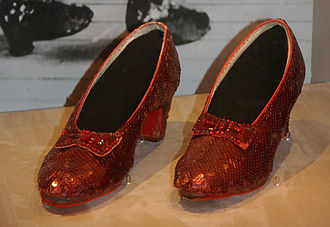
Toward the end of the movie, The Wizard of Oz, after her incredible adventures in the land of Oz, Dorothy wants nothing more than to return to Kansas. She tells Glinda, the good witch, that she wants to go home. Glinda says that Dorothy already has the power to go home. That power resides in her ruby slippers. Says Glinda, “Just tap your ruby slippers together three times, and keep saying, ‘There’s no place like home.'” Dorothy does as Glinda says and soon finds herself transported back to her beloved home in Kansas where she’s reunited with her loves ones.

Some people see this classic story of The Wizard of Oz as a parable of everyone’s pilgrimage from earth to our heavenly home. Earth is a kind of Oz. It is a place of goodness symbolized by Dorothy, her three traveling companions, a benevolent witch, and a loyal dog, Toto. But Oz (earth) is also a place where there is evil–for example, destructive forces like tornadoes, evil doers such as the Wicked Witch of the West, and conniving and dishonest people like the Wizard himself. If we buy into this parable, then Dorothy’s longing to go “home” is everyone’s longing for peace, security, acceptance, love, fulfillment. For Christians, Dorothy’s longing is our longing for our final home, heaven itself, or the fullness of the Kingdom of God.
What gives us the power to bring ourselves to our heavenly home? No, it is not tapping our ruby slippers together. No, it is not tapping our loafers, oxfords, high heels, or sneakers together either. Nor is it reciting some nostalgic words about home. In real life, the power that helps carry us home is our faithfulness to prayer.
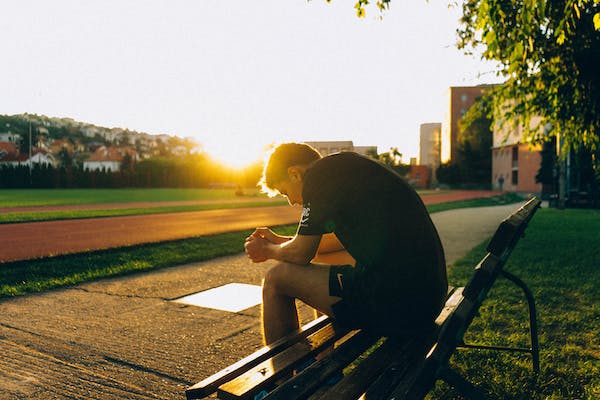
Virtually every morning I, like many of you, begin my day with prayer. I get my cup of coffee and and sit in my living room chair and pray. And I’ve been doing this for over 60 years. Although, over the years, the venues have changed (and I have certainly changed!), the essential components of prayer remain the same: a specific time, a certain place, God, and me. I have some control over only three of those components: time, place, and my showing up. I have no control over how or if God might “show up.” But I can use aids for my prayer: scripture (of course!), silence, journaling, reciting the psalms, pondering a good book, gazing at art work, listening to music, communing with nature. No matter how I choose to pray, the aim is the same: To connect myself with God. To stay immersed in the Gospel. To grow in faith and love. To discover and stay on the path that contributes to the Kingdom God beginning here on earth and leads us to our final heavenly home.

There are other “powers” in our lives that give us direction too, of course, such as family, friends, serving others, love, joy, and even pain and sorrow. But prayer is one of the greatest powers we possess. We may never own a pair of ruby slippers, but if we remain faithful to prayer, we have the power to get ourselves “back home.” That’s why our prayer time is the most important “appointment” we keep every day. Using another image, I like to say that prayer is like a delicate, invisible thread that “tethers” us to God every day. As we journey through life, we will feel God’s gentle tugs on that tether or strong yanks at times! Whether a tug or a yank, the tether of prayer can keep us on the path that helps build the Kingdom of God here on earth and leads us to our heavenly home.
For reflection:
Does your own experience of prayer resonate with anything in this reflection?
Is there anything you would add about prayer?
Have you ever felt the gentle tugs or the strong yanks from God in your life?
PS: My rehab for hip replacement surgery continues to go very well. When I’m with my physical therapist, I have even walked the halls with only a cane–and that’s a major “step”! Thanks again for your prayers and concern!
Our song today is “Somewhere Over the Rainbow.” But I didn’t select the version sung by Judy Garland. Instead, here is the most popular version of the song ever recorded. And it’s sung by Israel Kamakawiwo’ole, (known as IZ) a much loved musician and songwriter from Hawaii. It is said, he walked into a recording studio with his ukulele one day, sat down, and sang this song–improvising both the tune and the words. Then he left. This “one take” recording became a sensation. In his later years, IZ became a born again Christian. Having struggled with obesity his entire life, he eventually died of respiratory failure in 1959 at the age of 38. Thousands attended his funeral and later, the scattering of his ashes into the Pacific Ocean at Makua Beach. You will get a glimpse of that service at the end of this video.
I invite you to leave a comment below for all our readers. Thank you!