An Easter Reflection: What Gives You Hope?
Easter is a good time to pause, look around, and ask yourself, “What gives me hope?” After all, Easter is the great feast of hope. Jesus rose from the dead! Alleluia! He conquered sin and death! Alleluia! We’re on the winning team! Alleluia! At its best, Easter gives us a new way of seeing reality—to see beneath the obvious pains, sorrows, violence, and injustices around us and to detect the myriad little signs of hope nestled in our everyday. Here are 30 things (some of them personal) that give me hope. It is my “hope” that this list inspires you to draw up your own list.
1. The little Ukrainian girl singing “Let It Go” in the underground bomb shelter in Kyiv.
2. The upcoming wedding of Zach and Hailey (my grandnephew and his fiancee).
3. A purple crocus pushing up through the snow.
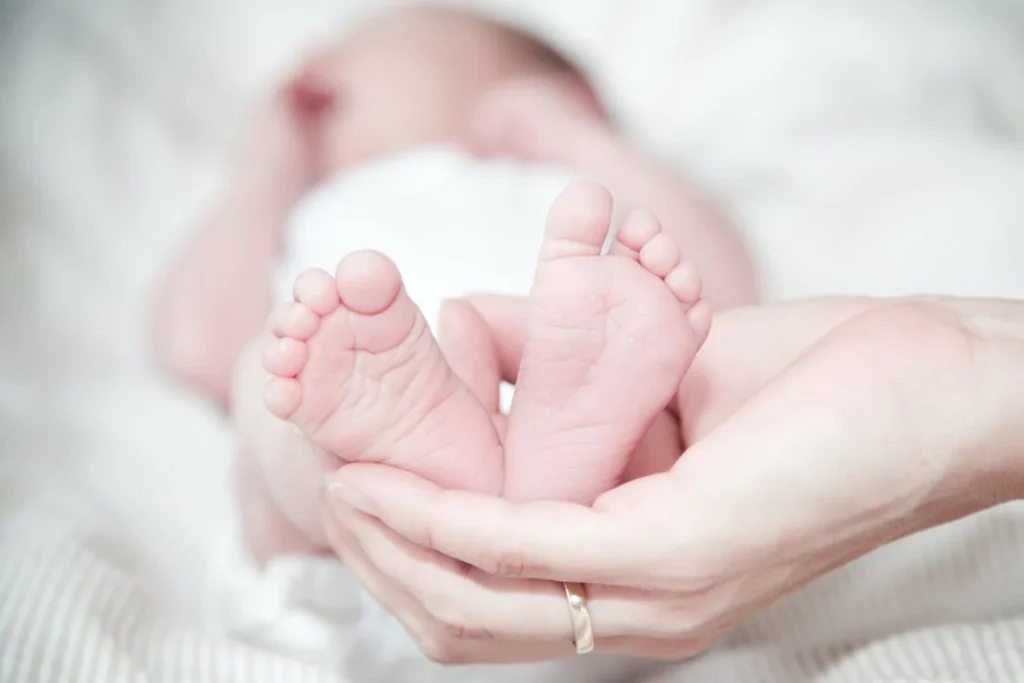
4. A newborn baby. (A newborn anything really: kitten, puppy, robin, fox, rhino, elephant, whale, sea turtle, maple tree and yes, even snake…)
5. Andy Williams singing “Moon River.”
6. Easter lilies in Church—their visual beauty, yes, but more importantly for me, their fragrance.
7. Ladybugs.
8. How I continue to pray every morning after all these years of living… (Where does my deep desire and persistent longing to connect daily with God come from?)
9. Volunteers in a hospital pushing patients, staffing the gift shop, delivering mail. I confess, volunteers anywhere give me hope!
10. A child laughing at the knock-knock joke she just told.
11. Being with a good friend.
12. Anyone over 65 who is still basically cheerful.

13. A priest working on his homily.
14. Church marquees that carry messages like, “If God is your co-pilot, switch seats.”
15. My parents’ wedding picture.
14. Kids making their First Communion.
15. Teachers.
16. A blank computer screen waiting for me to begin typing my next blog. (I admit, sometimes that same blank computer screen elicits not hope, but terror!)
17. Jesus’ words: “Consider the lilies of the field.”
18. At the Easter vigil, gazing down at the flame of the little candle in my hand. And seeing the flames of everybody else in church too.
19. All the ordinary people I see or interact with every day who (I sense) are genuinely good.
20. Old family recipes such as chicken paprikash… dumplings… kolachki.
21. Any beautiful quotation—like this one from Annie Dillard: “Our life is a faint tracing on the surface of mystery.”
22. The parable of the prodigal son. Always.
23. Peeling a room temperature orange. Slowly. Reverently. Studying its inner structure. Inhaling its aroma. And delighting in its juicy sweetness.
24. The “Hallelujah Chorus.”
25. A glass of wine.
26. Authors Barbara Brown Taylor, Kathy Coffey, Jan L. Richardson, Rachel Held Evans.
27. First responders.
28. The other voters I see at the polling place.
29. Watching the opening credits of a movie recommended to me by a friend.
30. A child taking me excitedly by the hand to show me the chrysalis in his backyard.
*****************************************************************************************************
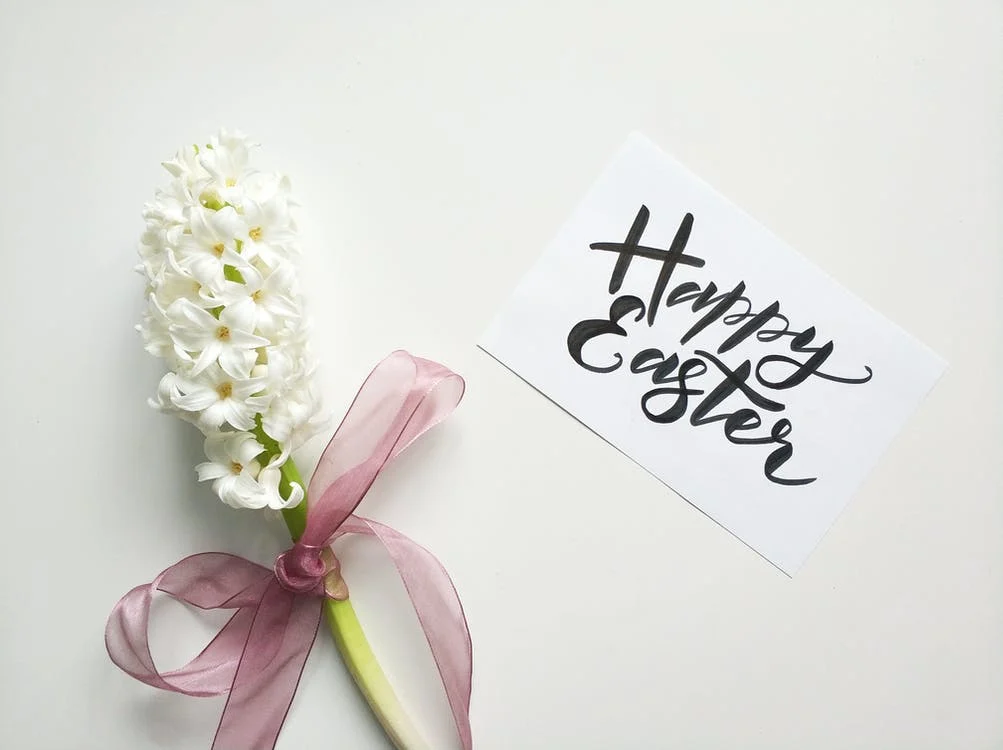
What also gives me hope? YOU, all my dear readers! I am amazed by how many of you read this blog every week. I always wonder, “Who ARE you, anyway?” And, “WHY are you reading this?” It’s such a mystery… But thank you so much for reading my blog… for commenting (or not)… for inspiring me by your words and insights and stories. I wish each one of you a very:
PS: I will not post a reflection next week, April 25. I’m taking a day off! My blog will return as usual on Monday, May 2. (If your missing your dose of “Sunflower Seeds” next week, you can always go to the site and search some of the past posts. There are over 400 to choose from! Thanks again!
Two questions for reflection:
Is there anything on my list that might be on your list? If so which item(s)?
What other things would be on your list? Would you be willing to share any of them with us below?
I chose a contemporary Easter song by Sarah Hart, a leading figure in contemporary Catholic music. Not only has she recorded her own albums, she has written songs for other singers including Amy Grant, Celtic Women, and the Newsboys. In addition, she has written music for numerous movies. You can check out her website for more information: https://www.sarahhart.com.
Here is Sarah Hart’s “Hallelujah Is Our Song”:
I welcome you to share some of your thoughts below–especially some of the answers to the reflection questions. You know how much our readers love reading your comments!
Holy Week and Prescovia
I had already written my post for Holy Week. But last evening (March 30), I watched NBC evening news and met an elderly Ukrainian woman named Prescovia. That encounter made me write these words in my journal the next morning. I think they are fitting for Holy Week 2022.
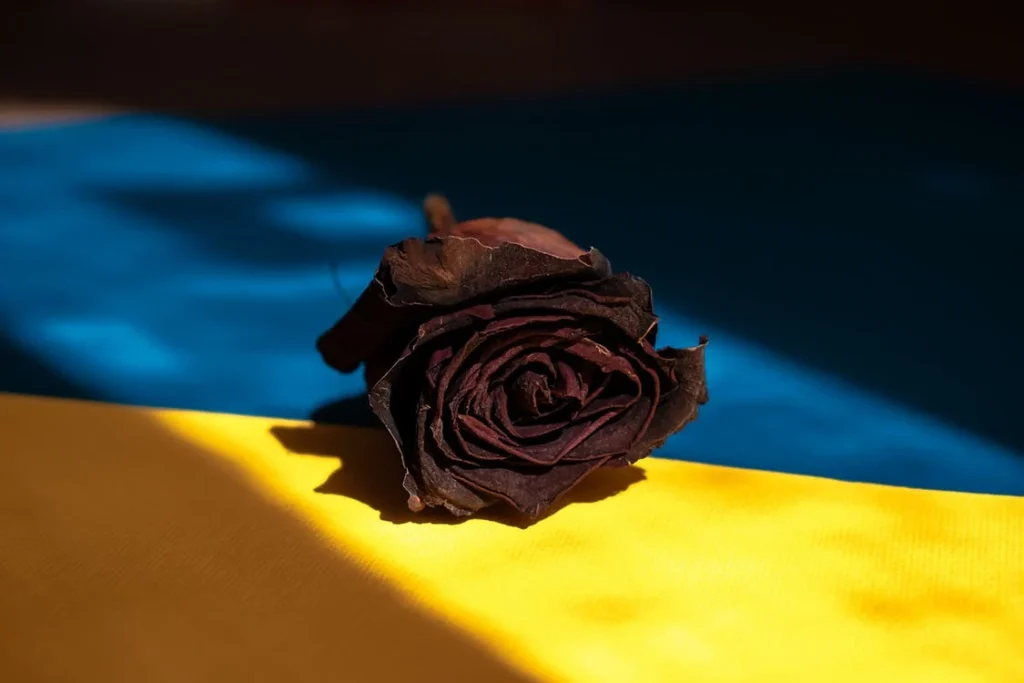
March 31, 2022: Last night I woke at 1:30 and couldn’t fall back to sleep. Images from the war in Ukraine filled my head: hordes of people fleeing the country; cities, once beautiful, now rubble; terrified families packed in dark basements and tunnels during relentless bombings. But one elderly woman in particular took residence in my head, and she refused to let me sleep. Her name (I learned later) was Prescovia, and NBC reporter Richard Engel spotted her in her town that was recently reclaimed by the Ukrainian army. She was sitting in front of her small house. She sat alone and was sobbing. She had on a tan jacket (Mom had a jacket like that, I thought) with a tan babushka on her head. Her face was blotchy red—perhaps partly due to her tears. She was 88 years old and, through an interpreter, she wailed to Engel, “I lived through WWII! I can’t do this again! I can’t!” And then she blurted out things like, “I’m so afraid! At night I cover my head with a blanket and cry and cry. Look, my hands keep shaking! I can’t stop them.”
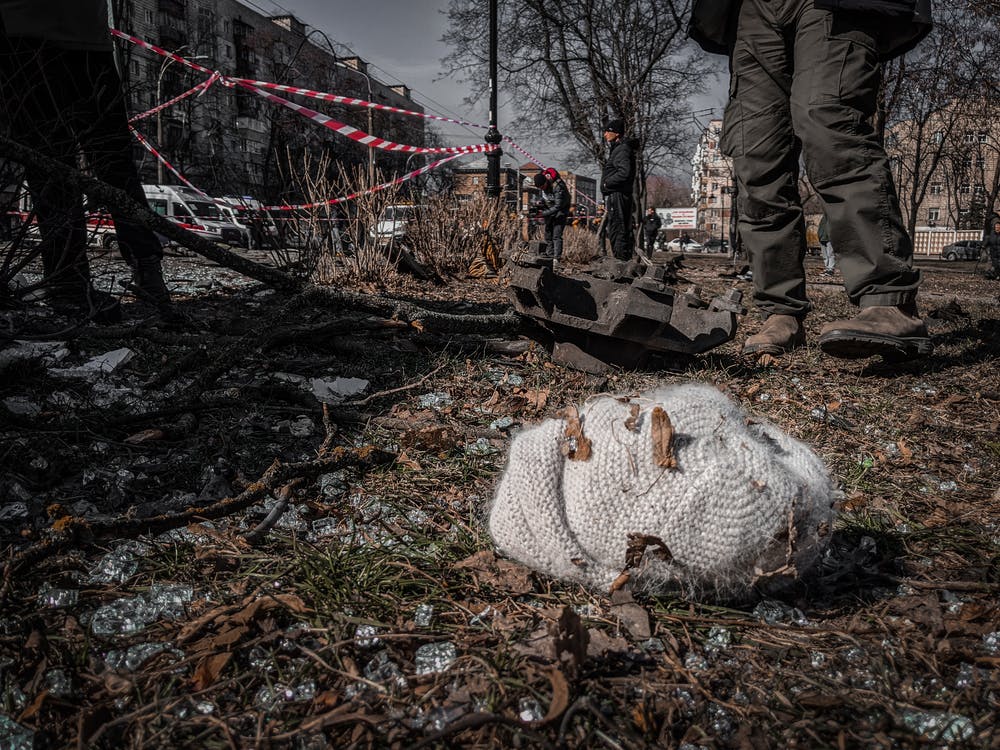
Her hands were indeed shaking. She tried to steady them by grabbing a stick (her cane?) Engel commented softly, “She is very confused.” (I thought, who isn’t?!) “She doesn’t know what’s happening.” (Who does? I thought.) Then Engel went to sit down beside her. They were a study in contrasts: he, an American, in his black bullet proof vest with the word PRESS blazoned in white letters across his chest. She, a Ukrainian, in her thin tan jacket. He, a young man wearing a helmet. She, a woman twice his age, wearing a babushka. As soon as he sat down next to her, she grabbed his hands almost ferociously. She seemed desperate to touch someone—anyone. She kept pouring her heart out to him although, I’m guessing, he didn’t understand a word she said. But he did understand her extreme distress. Then Prescovia grabbed his neck and pulled him toward herself. For a brief moment their foreheads seemed to touch. He didn’t pull away. I was moved by his willingness to allow this woman, in her anguish, to grab him in such a way. At the end of their encounter, he said softly to us, “Mostly, I think, she needed comfort.”
Further thoughts:
+ When I awoke the next morning, I wondered, Where is Prescovia? Is she okay? Who is watching over for her? She must belong to someone, no? Does she have children? Grandchildren? Neighbors? We all belong to someone, don’t we?
+ Later it dawned on me: the reporter’s name was Richard Engel. Engel in German means angel.
+ In that same newscast, they did a segment on several international organizations that focus on helping the elderly throughout the world. Some of them, with their volunteers, are already very active in Ukraine. One man, a native Ukrainian currently living in Portugal, returned to help in Ukraine where 1 out of 4 people is over 60. It takes a brutal war for me to learn of and appreciate such humanitarian organizations and the generous people who serve in them—war or no war.
+ In an email, I shared my restless night and this poor woman with a friend. He wrote back: “The little lady from Ukraine, by invading your sleep, became your prayer.” Yes, she did. She is no longer simply in my head. She has taken residence in my heart.
+ Someone has said you cannot begin to appreciate the vastness of the ocean until you have experienced a single drop of water. So too, we cannot begin to appreciate the magnitude of this war in Ukraine, until we see its devastating impact on a single precious human being named Prescovia.
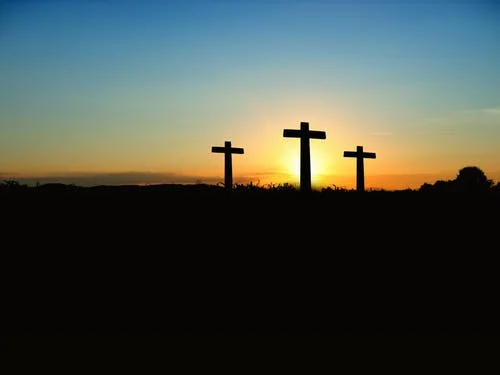
This Holy Week, we commemorate several highly significant events in the life of Jesus. On Holy Thursday, we remember the washing of the feet, Jesus’ vivid call for us, his followers, to serve our brothers and sisters in need. I saw that kind of selfless service in the journalist risking his life to cover this terrible war, and in the volunteers trying to aid the elderly there. On Holy Thursday we also celebrate the giving of the gift of the Eucharist, the sacrament that gives us strength for our earthly pilgrimage. And how much we need God’s strength always, always, always. And on Good Friday, we contemplate Jesus’ terrible death on the cross, focusing on not merely how much he suffered, but also on how much he loved. We bring our own and the world’s pain and sorrows and fears and anguish to that cross, knowing that Jesus understands fully what we are experiencing, because he has been there… and (more importantly) he is here with us now. But Jesus’ story does not end on Good Friday. For, as Christians, we believe he rose from the dead on Easter. And through his life, death, and resurrection, Jesus is leading us all to everlasting life.
For reflection:
Did anything in this reflection touch your heart? If so, what?
Did any of the pictures strike you today? If so, which?
Of all the events we commemorate this week, is there one that stands out for you this year, Holy Week 2022?
I am offering you two short videos today. The first is from Taize. The second is a prayer for Ukraine.
This first video is a contemplative song from Taize: “Jesus, Remember me when you come into your kingdom.” These are the words spoken by the “good thief” to Jesus as they both were dying on the cross… The repetitive refrain is set against a wide variety of depictions of Good Friday—paintings, drawings, traditional icons, carvings…
This video came from a friend, Valerie. It is a prayer for Ukraine entitled “We Stand with You.” It was written by Penelope Salinger, a member of The Threshold Choir. This is a volunteer hospice choir that originated in Boston, but now has chapters all over the world. Its members bring songs of comfort to those on the threshold of life…
I invite you to respond to today’s blog below…
Celebrating April, National Poetry Month
April is National Poetry Month in both the United States and Canada. Here are a few suggestions on how you might celebrate this month:
* Carry a poem in your pocket. Read it to your family, friends, acquaintances. Change the poem every few days throughout the month.
* Write a letter to your favorite living poet. Go to their website and click on “contact.” You can usually leave a message for them there. Or you can send them a letter through their publisher.
* Memorize a favorite poem of yours.
* Find a children’s book that is written in poetry. Then find a child who might enjoy listening to you reading the book.
* Watch or listen to poets reading their poetry. (I selected a few videos of poets doing this at the end of this reflection.)
* Write your own poem(s)!
To celebrate National Poetry Month, I’ve selected three poems for you. Although they are very different from one another, there is a common thread: LIFE… with its pain and sorrow… its springtime and hope… and the persistent questioning: Where is Jesus in all of this?… Poetry is meant to be heard not merely read. So I suggest you read these poems slowly and out loud…
The first is a poem by Bishop Robert Morneau of Green Bay, WI. Although it is set during World War II, it is (sadly) very timely for today:
“Three Miles”
She walked three miles
from the farm to the village,
telegram held in her tense hand.
Off she went to see her sister,
afraid to read the news alone,
knowing, yet not knowing, its message.
Her son, only nineteen years,
fighting in Germany,
World War II in full swing.
Too young to die.
Then sister met sister,
the telegram opened,
the wailing began.

************************************************************************************************
The second poem is one of mine from my book Just Because. I guess it’s theme is that just plain living is a risky business… and we should applaud those hope-filled beings who courageously face those risks and work to extend life into the future…
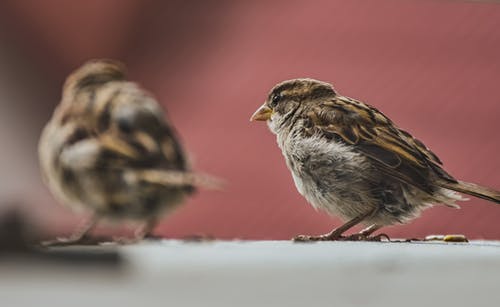
“Two Little Sparrows”
Outside my bedroom window
on the roof of the porch,
two little sparrows were doing it.
He had trouble with balance at first.
Luckily, she was the epitome of patience.
The whole affair lasted but a moment.
And when they were through,
I clapped.
Why?
Simply because
two little sparrows
got together
to make new sparrows,
despite the toil of care,
potential storms,
droughts, cats,
and circling hawks everywhere.
*********************************************************************************************
The third poem is by a friend who wishes to remain anonymous. It’s called “To Mary” and, for me, it captures so beautifully the relationship between Mary and her son, Jesus… and Jesus’ relationship with all of us.
“To Mary”
Mary, where is your son?
I just learned he is within.
The angel told me and it is true.
Mary, where is your son?
He’s over yonder playing—there.
He is with the other boys,
playing Sticks and Stones.
Oh, something on the ground distracted him,
probably a leaf or small bug.
Mary, where is your son?
I don’t know! I thought he was
with the men who thought he was
with the women. We are still searching.
How do I find one boy within this whole city?
Mary, where is your son?
He’s out preaching. He believes it is
his duty, his business, his calling, his destiny.
Sold the shop and went.
Mary, where is your son?
This is Passover. He said he has to be
with his close friends.
My heart is fearful.
Mary, where is your son?
Arrested.
Dead.
Buried.
Alive! He came early this morning.
The light grew at my window and door.
I thought it was torches looking for me
or one of the disciples.
It was he who came through the door
and embraced me in light.
Mary, where is your son?
He’s here with you, with me,
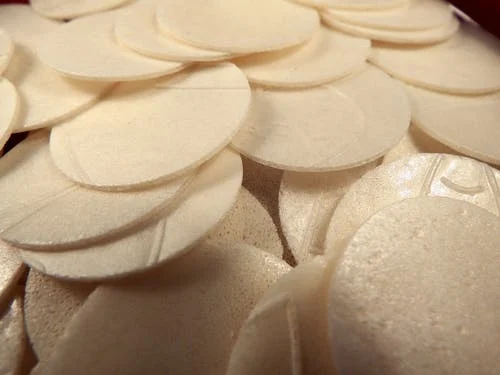
in our midst, in our bread.
********************************************************************************
Do any of the poems or photos speak to you today? If so, which? Do you know why?
Do you have a favorite poem? If so, could you share the title and author with us?
Do you have a favorite poet?
As I said earlier, poems are meant to be heard. Here are four short poems read by their authors: Billy Collins (former U.S. Poet Laureate), Mary Oliver (who won the Pulitzer prize for poetry… she passed away in 2019), Amanda Gorman (Youth Poet Laureate who recited her original poem at Biden’s inauguration), and Joy Harjo (the first Native American to be named U.S. Poet Laureate):
Billy Collins reads “To My Favorite 17-year-old High School Girl.” (You can click on closed captions if you wish):
Mary Oliver reads “Wild Geese”:
The third poem is “Miracle of Morning” by Amanda Gorman. It’s her poem about the “testing time” of the Covid pandemic. (I’m sorry, but closed captions are not available on this video.)
And our final poem is read by Poet Laureate Joy Harjo. It’s entitled “Perhaps the World Ends Here” or “The Kitchen Table Poem.” (No subtitles are available with this video. Sorry).
I welcome you to respond to today’s blog below… especially to any of the poems…
Consider Jesus’ Characteristic Way of Behaving
I’m reading Elizabeth Johnson’s book, Consider Jesus, for Lent. In chapter 4 Johnson says that Jesus didn’t merely speak about the coming of the Reign of God (or the coming of God’s Kingdom). “In his own practical ways he enacted it.” She then raises the question, “What kind of behavior was characteristic of Jesus?” She focuses on five characteristics.
1. Jesus called disciples to follow him. Women and men responded to this call, leaving their homes, work, and villages. They formed a community of brothers and sisters, traveling with him, being taught by him, and even being sent on mission by him. After Jesus’ death and resurrection, “this band of followers formed the nucleus of the church.”
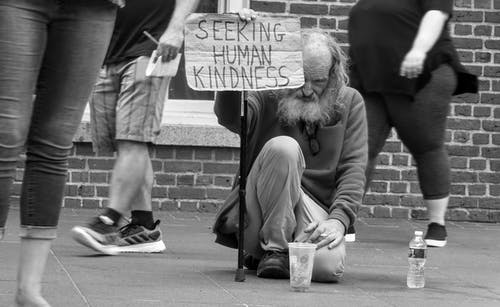
2. Jesus showed partisanship for the marginalized people of his day. He associated with sinners, he healed the sick, he focused on the poor, he exorcised demons. Over and over again he reached out to people “considered of no account.”
3. Jesus shared companionship with people–with his disciples and with the wider circle of individuals who were drawn to him. Religious art tends to focus on the Last Supper. But many times in the Gospels Jesus is shown eating with people. In the Middle East, sharing the table with others created a bond of kinship. No doubt, the wine ran freely at these meals with Jesus, for Jesus’ enemies accused him of being a drunkard. Says Johnson, Jesus “was perceived as someone who made merry, and his meals were considered a bit uproarious.” She refers to what the great Belgian theologian, Edward Schillebeeckx, said. At these meals, being sad and being in Jesus’ presence “was an existential impossibility.” As you get into Jesus’ circle, “the joy breaks out.”

4. Jesus is both faithful and free when it comes to the Torah. Jesus was an observant Jew. He observed Jewish customs and prayed Jewish prayers. But there were occasions when he broke the Torah, thus giving grave scandal to some. But in each instance, he set aside the law because a person’s well-being was at stake. When Jesus was facing sickness and suffering in an individual, for example, he set aside the law and cured on the Sabbath. When he was condemned for doing this, he reminded his accusers that the greatest law was love (Mt. 22:37-39). Johnson concludes, “Loving this way, Jesus himself creates a liberating life-style and shows a wonderful freedom to do good.” (I really like that last sentence!)
5. Jesus’ whole ministry was rooted in prayer. In addition to the prescribed Jewish prayers, Jesus “prayed with personal initiative.” He went off by himself at night to pray. From time to time he called his disciples to move away from the crowds and take time to reflect. From the way Jesus speaks about God, it is obvious he has a “special and personal experience of God as intimate, close, and tremendously compassionate over suffering and sin.” Johnson concludes this section with these words: “God Abba was the passion of his life.”
How do we measure up to Jesus’ characteristic ways of behaving? Here are a few questions for each of the five characteristics:
1. When have I experienced Jesus calling to me to do something… to help someone… to get involved in an issue of our day… to change my behavior… to change my attitude… to extend or seek forgiveness?
2. Who are some of the people in today’s world who are “considered of no account”? How am I attentive to them?
3. Is “table fellowship” a part of my life, my faith? Does joy characterize the way I practice my faith?
4. In regard to the way I practice my faith, am I both faithful and free—like Jesus?
5. When do I ever experience God as intimate, as close?
PS: Once again I sent this reflection out on Sunday, March 27, about 3:00 pm. I hope my subscribers received it on Monday.
One thing we hope for during Lent is a change of heart. Here’s a simple song “Change My Heart, O God,” sung by the “Marantha” singers. Its central image is of God as the Potter and we as the clay. Since most of us probably have had little experience fashioning clay pots, I chose this version of the song set against the background of a man creating a clay pot. I find this ancient art fascinating. The video gives me a greater appreciation of clay pots—as well as a greater appreciation of God at work forming me—using the people and circumstances of my daily life as well as our current historic times… As I watched this video, I thought of the Allstate Insurance slogan: “You’re in good hands…” WE ARE in good hands… God’s hands…
For those who wish, this second video shows a 7-year-old Ukrainian girl, Amelia, in a bomb shelter in Kyiv where she sings “Let It Go” from the Disney movie Frozen. Amelia is now with her grandmother in Poland. The second video shows her singing the National Anthem of Ukraine at a fund-raiser for refugees in Poland.
Amelia singing the Ukrainian National Anthem at a fund raiser in Poland:
I welcome your responses to today’s reflection. Have any of you ever made something out of clay? If so, would you be willing to share your experience with us? Otherwise, please comment on anything that stood out for you in today’s reflection or anything you’d like to add. Thank you!
A Cheer for Grandma Orcas!
Today I’d like to talk about Grandmother Orcas, those sleek black and white whales that are so beautiful. But before I get to the Grandma part, let me say a few words about the orca part. First, these incredible whales have been given some pretty derogatory names by homo sapiens. They are called orcinus orca (orcinus means “from hell”), orcas (derived from the Roman god of the underworld), and killer whales. What an injustice to these magnificent creatures! How did they get such terrible names?
One reason is because orcas are so huge. Adult males average 30 feet in length and weigh over 17,000 pounds. Adult females average 18-23 feet in length and weigh between 5,000 and 8,000 pounds. Because they are so big, orcas require 500 pounds of food (fish, seals, sea lions, and even other whales) each day to survive and stay healthy. Unfortunately, their simple need for lots of food can look like rapacity or even malice. Hence, humans dubbed them “killers”—which implies criminal intent in their behavior. But orcas are no more killers than the robin hunting for worms in your back yard or you sitting at the table eating a bacon cheeseburger! I wish someone would start a movement to rename orcas—a name befitting their beauty and mystery. Any takers? (End of sermon!)

Now let’s talks about the Grandma part of orcas. Female orcas share a trait with female homo sapiens that is rare among mammals: they go through menopause. This means they stop reproducing in their 40s—yet they can live for another forty or more years. To appreciate what they do with the rest of their lives, we must remember that orcas live in family groups called pods. The older females stay in their pod and are literally the grandmothers to many of the younger orcas. It’s different with the males. Male orcas in one pod mate with females in another pod. After their liaison, they return home to their original pod—until the next mating season. There are two consequences of this behavior: First, orca calves don’t know their fathers. Hence, orcas in a pod don’t know their grandfathers either. Secondly male orcas stay with their mothers their entire life! This is very rare in animals although it is sometimes observed in homo sapiens…
What role do Grandma orcas play? In short, they boost the survival rate of the orca calves as well as the survival rate of the pod itself. Because they have more years of experience than their daughters, they often know where to find salmon when food is scarce. These grandmas also care for the calves while their mothers go and hunt for fish. Orcas communicate with each other. Each pod seems to have a unique dialect. Grandmothers help teach the young orcas the dialect of their pod. Scientists finally have data to measure the effectiveness of these grandmothers’ presence in whale pods. (It’s hard to collect data on orcas because they spend 95 percent of their time under water!)

Scientists examined 40 years of data on the survival of 378 orca calves off the coasts of Washington and British Columbia. They found that offspring whose maternal grandmothers had recently died, had a mortality rate 4.5 times higher than those with living grandmothers! Scientists also found that adult male orcas whose mother dies also have a higher rate of mortality. And yet sometimes we humans dare to say that animals don’t form significant relationships with one another or they aren’t affected by the death of their kin!
What does this have to do with us? It can make us appreciate the role of grandparents in our own lives. Grandparents can be “wisdom figures” for their children and grandchildren. They can pass on valuable experience to the next generations. Often they pass on information about their particular human “pod” or family—for example, the history or customs of their family. In addition, grandparents often help care for their grandchildren while parents are out seeking a living. Grandparents also expand the circle of love surrounding their grandchildren. Their very presence says, Yes, Mommy and Daddy love you—but so do Grandma and Grandpa! That’s a lot of love!

I’m suggesting we take a few minutes to reflect on grandparents. These questions might help:
What do you remember about your own grandparents? Is there anything you learned from them or admire about them?
If your grandparents are deceased and you could somehow ask them one or two questions that you didn’t ask them while they were alive, what would you ask them?
If you are a grandparent, what’s the best part of being one? Do you pass on information or skills to your grandchildren? How do you show your love for them? Do you ever talk about God to them?
PS: I sent this blog out Sunday, March 20, at 3:00 pm (ET) to see if you would get it on Monday, the 21st.
I found this lovely grandmother song from our Native American (First Nations) tradition. It is called “The Grandmother Song” or “The Grandmother Medicine Song,” and it is sung here by Sheffy Oren Bach. The words are simple, repetitive, meditative:
“I hear the voice of my grandmothers calling me… I hear the voice of my grandmothers’ song… Give birth, give life… Listen, listen… Teach them. Be Wise. Grow… Listen, listen… Wake up, child… Listen, listen… Women, stand in your power…” The paintings are exquisite too.
For those who wish, here is a short video entitled “Europe Stands with Ukraine. It is the National Anthem of Ukraine played by orchestras across Europe as a way of showing their solidarity with the people of Ukraine:
I invite you to respond to anything in this reflection. Comment on something… or add your own thoughts… We love hearing from you!