Praying with Our DNA
The subtitle of my blog “Sunflower Seeds” is this: “Celebrating Everyday Spirituality.” Today I’d like to suggest how even a rudimentary understanding of DNA can affect our everyday spirituality. More than that, it can influence the way we pray and our appreciation of our Creator God. (NOTE: I am no scientist. I welcome comments or clarifications from those of you who have a scientific background.)
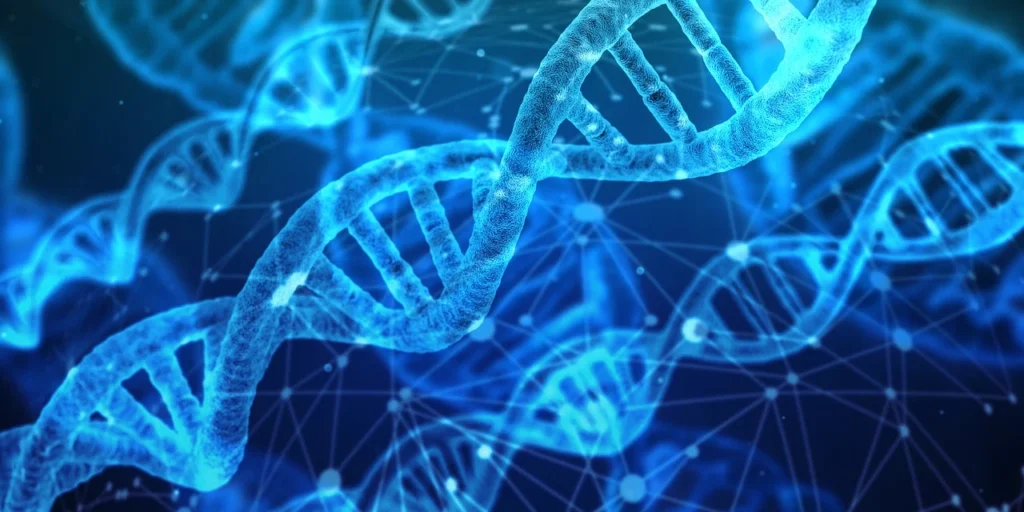
First, a few basic facts about DNA. DNA stands for deoxyribonucleic acid. (That’s the last time I’m typing that big word in this reflection!) Simply put, DNA is the fundamental molecule that carries the genetic instructions or blueprint for the development, functioning, growth, and reproduction of all known organisms. DNA is found in nearly every cell of a living organism. It resides in the nucleus of each cell. DNA looks like a twisted ladder (double helix) and is incredibly dense and compact. Roughly 6 billion pairs of DNA fit inside a nucleus only about 6 micrometers wide. (A micrometer is one-millionth of a meter. To visualize this, a human hair is 50-100 micrometers wide.) If the DNA in a single cell were “unfolded,” it would be about six feet long. Maybe you should be sitting down for this next fact. The average human has 37 trillions cells in his/her body. If all the DNA in all of the cells in your body were “unfolded,” it would stretch 10 billion miles–or to the sun and back hundreds of times!!!! (You may want to take a breath here!)
Footnote: When we watch astronomy movies, we marvel at the big, vast, humongous, enormous, gigantic, super collosal aspects of creation–like the stars and galaxies. “Wow,” we say. “What must God be like?!” So too, when we study things like DNA, we marvel at the tiny, miniscule, teensy-weensy, infinitesimal aspects of creation. And we say, “Wow! What must God be like?!”
More facts about DNA:
1. All human beings are nearly genetically identical. We share with each other 99.9% of our DNA. It’s the 0.1% that makes us unique.
2. Humans share much of their DNA with other living beings. With whom and how much? With Chimps we share about 98%, with mice roughly 97%, (that makes mice excellent models for studying human biology and disease… I’m sorry, mice…), with fruit flies we share 60%, with bananas 50%, with cabbage 45%, and (are you ready for a surprise?) humans share 70% of their DNA with slugs! Yes, slugs! (Maybe we should show them greater respect!)
3. Roughly 8% of our DNA is not human. It comes from viruses that have infected our ancestry.
4. We share much of our DNA with relatives: with our parents 50%; with full sibling 38-61%; with grandparent/ grandchild, aunt/uncle, niece/nephew, half sibling 17%-34%; first cousin, great grandchild, great aunt/uncle 14.4%. The DNA of identical twins is not completely identical due to a phenomenon called epigenetics (which is beyond the scope of this reflection).
5. We usually think of physical traits being passed on through our DNA–like eye color, hair color, height, propensity for heart disease–and that’s true. But other things–such as trauma–can also be passed on through our DNA. What kind of trauma? Slavery, genocide, domestic violence, wars, oppression, extreme poverty. Descendents of such trauma can be more vulnerable to stress, anxiety, and depression.
6. The PBS series Finding Your Roots with Henry Louis Gates is a fascinating show. Each week, they present the ancestry of well-known people using historical records and DNA. At the end, they surprise some of their guests by revealing an unknown genetic “cousin.” Some examples: Glenn Close learned she and Princess Diana were 8th cousins. (She also learned she had several other famous relatives. See the final video below.) Comedian Larry David and Senator Bernard Sanders are 6th cousins. Ironically, David impersonated Sanders on SNL! Tom Hanks and Fred Rogers are also 6th cousins. Hanks learned of this before playing Mr. Rogers in the film A Beautiful Day in the Neighborhood. Actors Kevin Bacon and Kyra Sedgwick, who have been married for over 30 years, recently learned they are 9th cousins, once removed. (Their common ancestor’s name is Kevin Bacon!) Also Colin Powell was related to Princess Diana; and Ben Afleck and Barack Obama are 11th cousins. An intriguing fact: Geneologists studied Pope Leo XIV’s ancestry and learned he has Black Creole ancestors through his maternal grandparents. They were identified as “mulatto” in New Orleans before migrating to Chicago where they were identified as “white.”)
What impact can this knowledge have on our spirituality?
First, as Valerie Schultz says, “your DNA points to the existence and intricacy of God.” For me DNA reveals the immense creativity of God. Billions of people–past, present, and future–and no two alike! Our God must LOVE diversity! Why do we humans struggle with diversity so much?
DNA underscores our ONENESS as a species. It shows we are FAR MORE alike than we are DIFFERENT. We share more with our fellow human beings than we ever imagined. But history shows we allowed differences in incidentals of DNA (like skin color, eye structure, hair texture) to give rise to hatred, wars, slavery, genocide, and oppression of all kinds.
None of us chooses our DNA. Our DNA is the hand of cards we were dealt at conception. Who knows what we have inherited from our ancesters–both liabilities and assets. Maybe your quick temper, your hesitancy to take a risk, your klutziness have their source in a distant ancestor. So, don’t be too harsh on yourself or judgmental of others. Similarly, your general good health, your leadership abilities, your self-discipline may be embedded in the DNA passed down to you from unknown ancestors. So be more humble and grateful.

Valerie Schultz says, “DNA is Holy Ground.” With that is mind, let us pray:
Thank you, my Creator God, for the mystery, power, and intricacy of DNA… for MY DNA, the basic blueprint of who am… My DNA, my “name” already known to you as I was being “knit in my mother’s womb.” Help me to appreciate my own uniqueness and the uniqueness of every other human being. Help me to remember that, genetically speaking, we humans are 99.9% alike. May we focus more on our essential oneness and less on our incidental differences. Help us to embrace our connectedness not only with all other human beings, but also with all other living beings–yes, chimps, polar bears, whales, eagles, chipmunks, trees, fruitflies, bananas. All of this knowledge is too marvelous for me, O Beloved One. So with the psalmist I say, Thank you, Loving Creator, for hand-crafting me and everyone else. Thank you for we all are “fearfully and wonderfully made” (Ps. 139:14). Amen.
For reflection:
What words or facts stood out for you in this reflection on DNA? Did you find yourself saying “Wow” to anything?
What impact can your knowledge of DNA have on:
Your concept of God?… Your understanding of other people?… Your prayer life?… Or anything else?
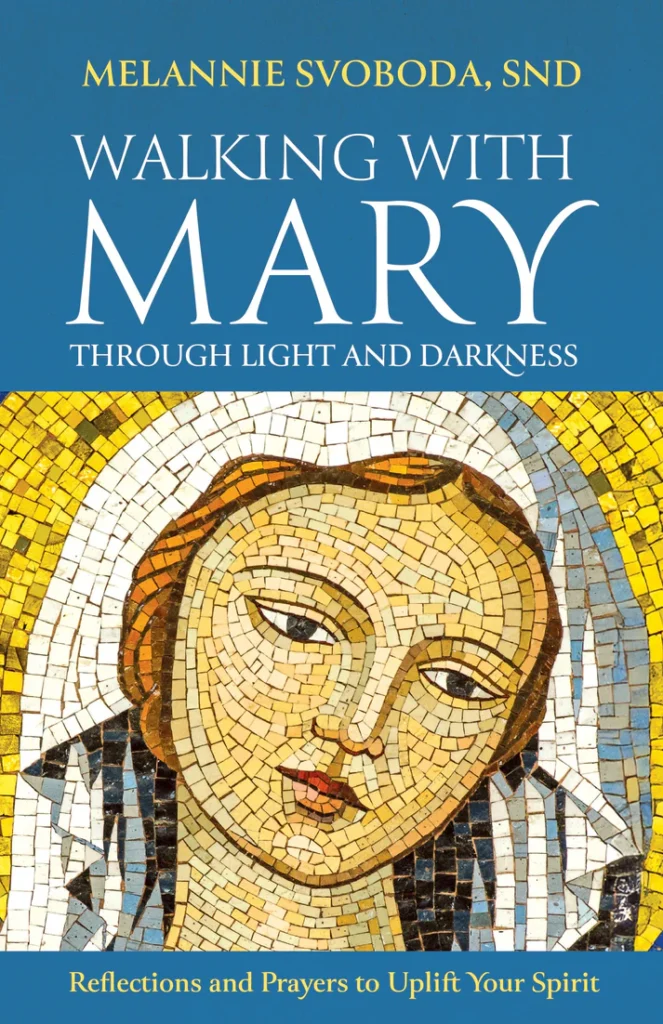
PS: Don’t forget to read next week’s February 2 post so you can enter to win one of the FIVE copies of my latest booklet, “Walking with Mary Through Light and Darkness.” It’s simple to enter! And everyone can enter!
I chose two videos. Since I quoted from Psalm 139 in the prayer at the end of this reflection, I looked for a song based on Ps. 139. I found this beautiful version by Aaron Shust entitled “Hold Me Fast.” The second video is a 4 min. video showing Glenn Close when she learned that, besides Princess Diana, she has several other famous “cousins.”
I hope many of you will write a simple comment below to share YOUR thoughts about this reflection on DNA:
Three More Favorite Writers: Ekeh, Hendricks, and Kandra

As you know, I have many favorite writers. I’ve quoted multitudes of them in this blog. Today I’d like to tell you about three more: Amy Ekeh, Kathy Hendricks, and Greg Kandra.
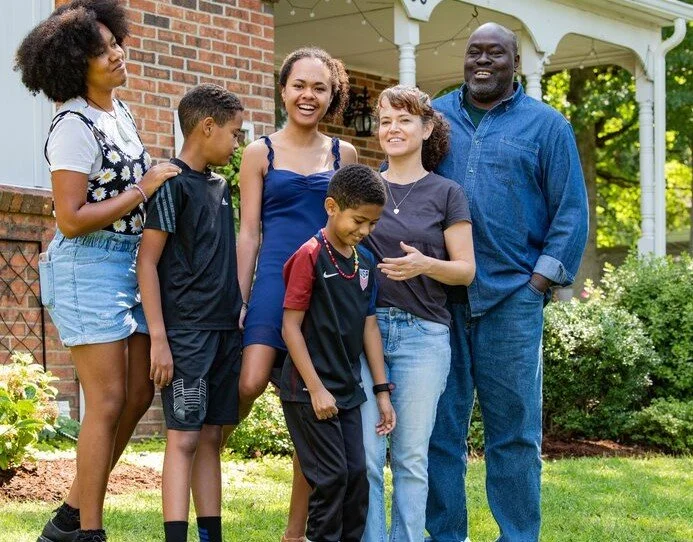
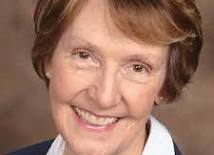
Amy Ekeh (pronounced Ay – kay, a Nigerian name of Igbo origin) is originally from Texas, currently living in Connecticut. She and her husband Ono married in 2000 and are the parents four children ranging in ages from 24 to13. Here are two quotes from her book, Stretching Your Hand Out.
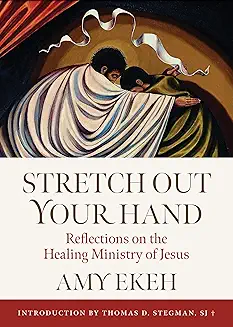
The first concerns the story of the royal official who asks Jesus to cure his son. She says that this official “if often recognized for his faith… But I notice him for his begging… Those who beg in the gospels are direct and authentic… they are gut-wrenchingly honest and astonishing vulnerable. It is the outright vulnerability that I find most beautiful, most redeeming… We won’t change if we aren’t vulnerable. As it turns out, begging isn’t weak–it’s bold. Boldness and vulnerability go hand in hand. May we be so bold as to beg. May we be so vulnerable as to be changed.”
Ekeh writes of the woman suffering from hemorrhages who is cured by touching the fringe of Jesus’ clothing: “reaching for the fringe of Jesus’ clothing is an image worth contemplating… Sometimes stretching for the fringe of the healer’s garment is all we can manage. It isn’t a lack of faith or hope that places us there… at arm’s length from Jesus. Sometimes it’s just where life takes us… We may long for a prolonged, intimate encounter with Jesus of Nazareth. But sometimes–no, always–just a brush with the sacred is enough to change us.”
Kathy Hendricks is a popular speaker, catechetical leader, and author of many books. (She also edited a couple of my books for Twenty-Third publications–for which I am most grateful!) Her latest book is Opening the Heart. The subtitle describes the book more fully: Reflections, Practices, and Prayers to Guide Us Toward Beauty and Gratitude. As Kathy explains, the basic premise of the book is this: “As with the physical heart, the spiritual heart needs safeguarding from toxic elements that keep it in a perpetual state of dis-ease. By opening our hearts to God’s grace and love, we expand our capacity for beauty, mercy, compassion, empathy, joy, gratitude, hope, and other life-giving virtues.”
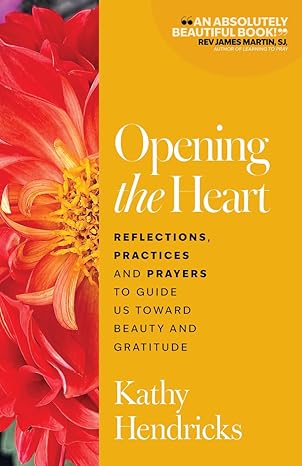
I wrote a recommendation for her book, praising the book for its engaging style, her reflective questions, her positive and practical suggestions, her inspiring personal stories, and the prayer at the end of each of the 5 chapters. The book’s colored drawings, photographs, and paintings, really enhance the book–for example, her 7-year-old granddaughter’s Valentine’s Day drawing of multi-colored hearts, as well as her husband’s photograph of a heart-shaped rock encased in ice. Father James Martin, SJ, writes, this book is “an absolutely beautiful book.” I agree! Another popular book by Hendricks is Grace in the Wound: Finding Hope in Long Term Grief. You might want to check out all her books at Twenty-Third Publications or on Amazon.
Deacon Greg Kandra started his blog, “The Deacon’s Bench” in 2007. Since then it has garnered millions of readers around the world. Who is this man? Kandra’s background includes nearly thirty years in broadcast journalism, mostly with CBS. He’s the winner of numerous awards in broadcast journalism as well as for the many articles he’s written for a wide variety of publications. In 2007, he was ordained a deacon for the diocese of Brooklyn, NY and he currently lives with his wife in Florida.
But let me give you two samples of his writing. This is from his homily for the Feast of the Holy Family. It’s entitled “Grace Is Everywhere.” “Like every family, the Holy Family had difficulties. There’s a great temptation to idealize them–to turn them into plastic figurines, placed on a shelf. But as much as this family was holy, this family was also human.
“They had to live in the same world we do–with deadlines to meet, bills to pay, problems to confront. More than a few times, their patience and love were tested. This was a family, after all, in which the father had planned to divorce the mother; a family in which the young son, during a trip to the big city, disappeared without telling anyone.”
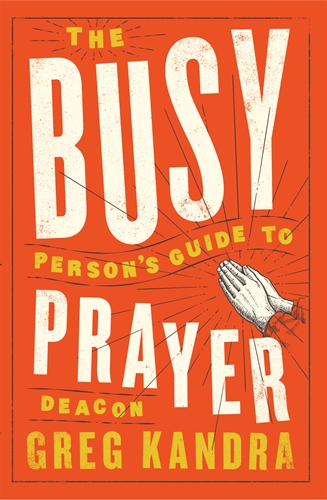
Deacon Kandra also writes for the publication Give Us This Day published by Liturgical Press. Here’s another brief quote of his: “Think of all the times Jesus used small, overlooked things to explain himself. The widow’s mite… the lost sheep… a pearl. He consistently called on his followers to treasure the tiny, the neglected, the commonlace. Even at his last meal, he gave himself to the world in something as ordinary as bread; now he continues to give himself in a wafer no bigger than a coin. As he does so often, Jesus turns our expectations upside down. (GUTD, Jan. 26, 2024).
For reflection:
Did anything stand out for you in any of these writers or their writings?
Do you have any favorite writers? If so, feel free to share their names and maybe something they’ve written that you would recommend.
Special Announcement:
I posted by first “Sunflower Seeds” on February 13, 2012. In honor of the 14th anniversary of this blog,
I will be raffling off FIVE copies of my latest booklet,”Walking with Mary through Light and Darkness.”
On Monday, February 2, I will tell you how you can enter to win one of those copies. Stay tuned…
Our song is “The Word” sung here by Amy Grant. The words of writers can be powerful and inspiring. But the most important word for our spiritual growth is the Word of God. As the Bible puts it, God’s Word is “a lamp unto my feet… a light unto my heart.”
I invite you to add a comment below to enrich my blog!
How to Pray in 8 Easy and Hard-as-Heck Steps

When I use the word prayer, I mean talking to God. And listening to God. In other words, conversing with God. Years ago a friend came up with this definition of prayer which I like very much: Prayer is being with someone I love–and who loves me! With that in mind, here’s one way to look at prayer. (It’s not the only way!) I call this way “8 easy and hard-as-heck steps to prayer.”
1. Get a life. If you’re reading this, you already have a life. Now live your life. Not somebody else’s life. Your life. The life that has been given to you by God. The life God is calling you to grow into. And never cease to be amazed at your own unique gift of life–the privilege, beauty, fun, and mystery of it all!
2. Notice things. What things? As many things as you can notice without being distracted from living your life. Notice the lilies of the field and the weeds in your garden. Notice the birds of the air and the things that walk, crawl, run, slither, hop, scurry, swim, saunter, plod, shuffle, and march on this earth with you. Notice clouds, aromas, sounds, textures. Notice people. Yes, people most of all.

3. Know yourself. Know what makes you happy, sad, angry, excited, hurt, afraid, overwhelmed, ashamed, disgusted, jubilant, bored, anxious, at peace, grateful. All of those feelings can help open the door to prayer, to conversing with God.
4. Care. Find something(s) or someone(s) you really care about and pour out your love, respect, and appreciation upon them. What or whom you care about can change as you grow into becoming the person God is calling you to be–which, by the way, is the person you really want to be. If you can’t find anything or anyone you care about, then repeat steps #1, #2, and #3.
5. Get Lucky. Some people think you have to wait around for Luck to find you. And sometimes that may be true. But you can also make yourself more attractive to Luck. You can cultivate certain qualities in yourself that make Luck (and other people!) want to be with you. Qualities like wonder, pleasantness, eagerness to learn, diligence, patience, integrity, responsibility, flexibility, a sense of humor, and lots and lots of hope. Go where Luck likes to hang out: among people actively engaged in living and caring.

6. Ask Others. Ask others how they pray. Ask a saint, a sinner, a friend, an enemy, an elder, a child. Ask a Catholic, a Protestant, a Jew, a Muslim, a Buddhist, a Native American, anyone who believes in God, a Higher Power, The Force. While you’re at it, ask an agnostic, an atheist, and even a liberal and a conservative. And don’t forget to ask God. Ask God often.
7. Be Honest. Remember, you can tell God anything. Don’t self-edit the things you say to God. Say what you really want to say to God. Don’t let too much reverence get in the way of really praying. Remember, you can use all kinds of words with God: simple, flowery, poetic, prosaic, polished, raw. I think God especially likes raw prayer, prayer that comes from our gut. Sometimes NO words are good too. And tears at times (whether joyful or sorrowful) can be a very fine prayer. And be okay with imperfect prayer. The only “bad prayer” (if you want to use that phrase), is to omit step #8.
8. Show up. You will seldom find time for prayer. You must make time for prayer. And be honest (step #7). You make time for the things you believe are important in your life–whether that’s hanging out with family and friends, working hard for a living, filing your tax report, watering your African violets, eating, sleeping, flossing, volunteering to help a friend, or watching your favorite but lousy sports team play another game–because you’re still hopeful that this time, they just might win! And remember, if prayer is engaging in a relationship with God, then let God do some of the work! You can start by saying, “I’m here, God. I showed up. You’ve got to help me with this. Please?”

For reflection: Do you agree with any of these steps? Do you disagree with any of them?
What is your chief struggle with prayer? How do you cope with this struggle?
Did you ever ask others how they pray? If so, whom did you ask? What did you learn from them?
Would you add any other steps to how to pray?
One day, the apostles said to Jesus, “Teach us how to pray.” Jesus’ answer was the Our Father. Our video today is simply a version of Jesus’ beautiful prayer. It’s sung by the University of Notre Dame Newman Center choir:
I invite you to add your comments below for all of us to ponder… and enjoy…
22 Quotations on Music–from Plato to Taylor Swift
I believe one of the greatest gifts in my life has been music. I thank my father for handing down to me his great love for classical music. I thank my mother for playing the piano and singing with her lovely alto voice–especially in church. I thank both parents for paying for my piano lessons from second to eighth grade. And I thank all the music teachers and choir directors I’ve experienced throughout my long life. But I thank God most of all for the beauty, power, mystery, and magic of music and song. With that in mind, here are some of my favorite quotations about music from a wide variety of people.
1. Music gives a soul to the universe, wings to the mind, flight to the imagination, a charm to sadness, gaiety and life to everything. Plato
2. After silence, that which comes nearest to expressing the inexpressible is music. Aldous Huxley
3. For me, singing a sad song often has a way of healing a situation. It gets the hurt out in the open, into the light, out of the darkness. Reba McEntire
4. Next to the Word of God, the noble act of music is the greatest treasure in the world. Martin Luther
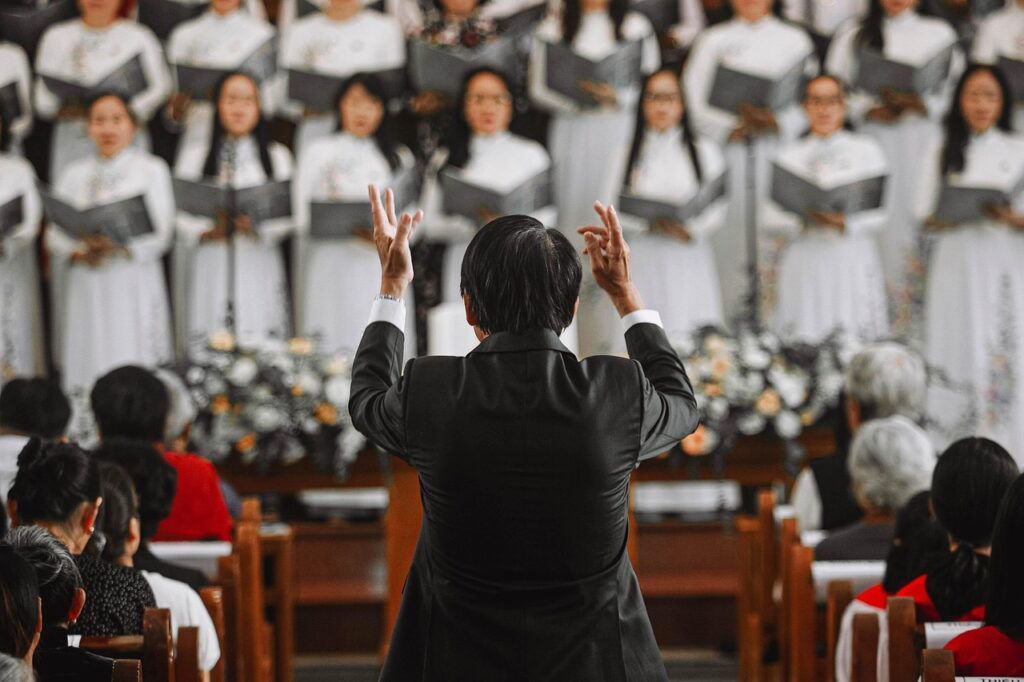
5. Without music, life would be a mistake. Friedrich Nietzsche
6. Music is a great natural high and a great natural escape. Shania Twain
7. Music produces a kind of pleasure which human nature cannot do without. Confucious
8. Music is very spiritual; it has the power to bring people together. Edgar Winter
9. The best music is essentially there to provide you something to face the world with. Bruce Springsteen
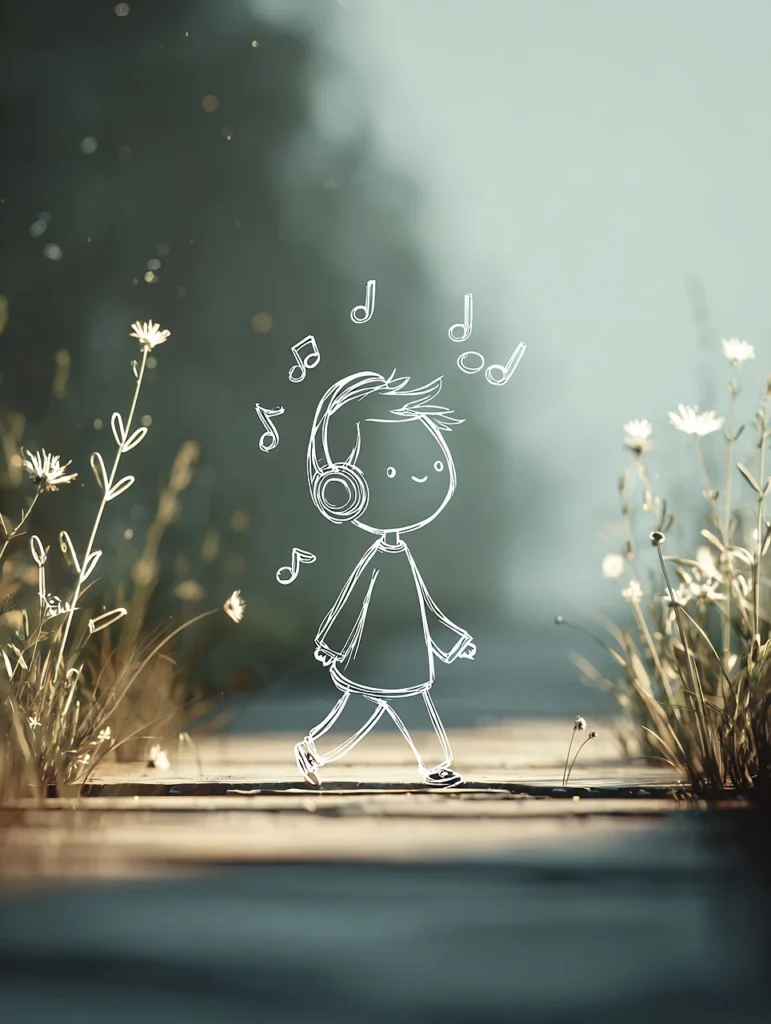
10. The aim and final end of all music should be none other than the glory of God and the refreshment of the soul. Johann Sebastian Bach
11. People have not always been there for me, but music has. Taylor Swift
12. Music is the fourth great material want; first food, then clothes, then shelter, then music. Christian Nestell Bovee
13. Music is the soundtrack of your life. various sources
14. Music can change the world, because it can change people. Bono
15. Every song is like a painting. Dick Dale
16. Music was my refuge. I could crawl into the space between the notes and curl my back to the loneliness. Maya Angelou

17. Music expresses what cannot be put into words and that which cannot remain silent. Victor Hugo
18. All my songs are based on melody, which is retrieved from my Jewish heritage. Neil Diamond
19. The world’s most famous and popular language is music. PSY, South Korean singer
20. Let this be my epitaph: “The only proof I needed for the existence of God was music.” Kurt Vonnegut
21. Music is forever: music should grow and mature with you, following you right on up until you die. Paul Simon
22. The Lord is my strength and my song. Ps. 118:14
Reflection questions:
Did any quote really stand out for you? Do you know why?
If music is the soundtrack of your life, name three pieces of music (any genre) that are a part of the soundtrack of YOUR life. To encourage you to do this, I’ll go first: “Finlandia” by Sibelius (inherited from my dad), “Moon River” by Henri Mancini and sung by Andy Williams (it helped give me the courage to enter the convent), and “Amazing Grace” by John Newton (words) and William Walker (music).
Have you ever felt the healing power of a particular piece of music or song? I invite you to share that music below.
Have you requested a certain piece of music for your funeral? If so, which and why?
Note: I am posting these two music videos in honor of our immensely talented music directors here at our SND Center in Chardon: Sister Karita Ivancic, our amazing choir director, and Sister Susan Clark, our stellar accompanist.
There are so many pieces of remarkable music out there, I had a hard time deciding on one. After searching on YouTube for quite a while, I finally chose Schubert’s “Ave Maria,” which some say is the most beautiful piece of music ever written. I’m offering two versions. The first is by the Celtic Women, an Irish musical ensemble formed in 2004. The Second is by Kings Return a Dallas based a cappella quartet, formed in 2016, who sing in rich harmonies and blend gospel, jazz, R&B, and classical. Both versions are in Latin. The lyrics are the “Hail Mary”: Hail Mary, full of grace, the Lord is with you. Blessed are you among women, and blessed is the fruit of your womb, Jesus. Holy Mary, Mother of God, pray for us sinners now and at the hour of our death. Amen.” Choose one or (better yet) listen to both versions of this beautiful song.
Video #1: Celtic Women
Video #2: The a cappella group Kings Return, recording this version in a stairwell.
I welcome you to share your thoughts below–on the quotes, reflective questions, videos, pictures, or your own experience with music. We all enjoy reading your comments! PS: We one man heard Kings Return’s version of “Ave Maria” he wrote: “If this is not played at my funeral, I am not going to die!”
A Few Thoughts from My Annual Retreat
I made my annual retreat a few weeks ago during the first week of Advent. I told you I would share a little of my retreat experience with you. So, here are a few thoughts accompanied by some pictures I took of my indoor and outdoor surroundings.
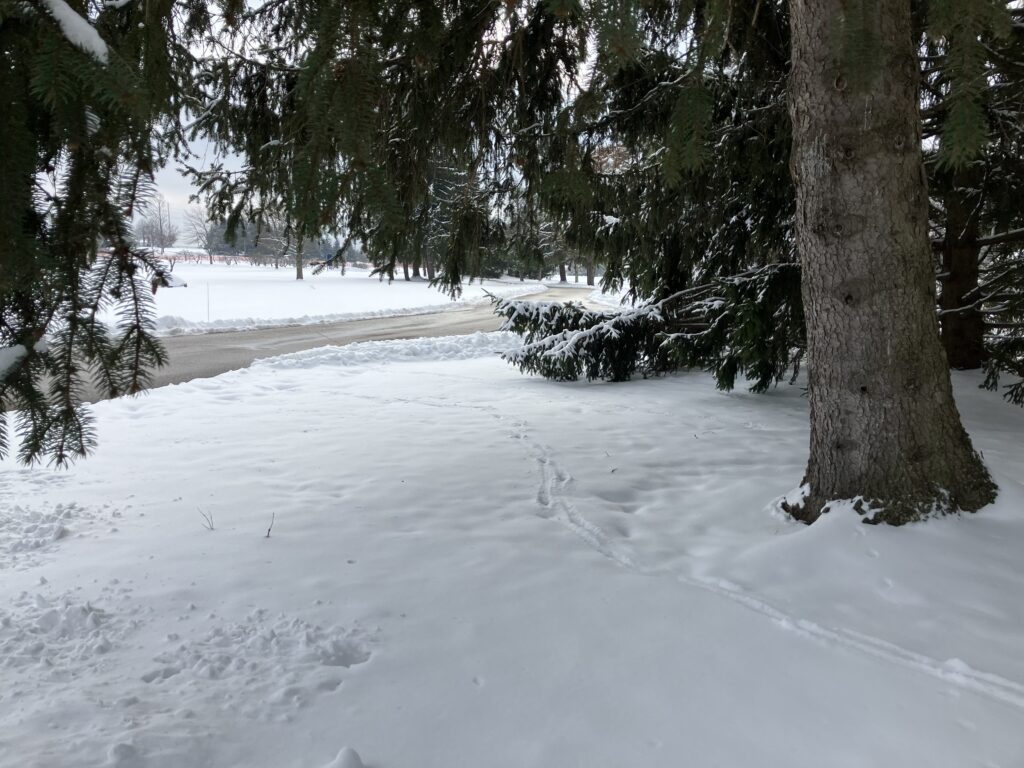
The setting. I made my retreat at “Marydale,” one of the small houses on our Notre Dame property. I was alone the whole time. I texted a friend every morning and evening so someone would know I was still alive! I brought enough food to last a week. A Jesuit friend of mine in Detroit, Fr. Gary, directed my retreat via zoom. I’ve known Gary since 1993 when I began ministering in the Jesuit novitiate with him in Detroit.
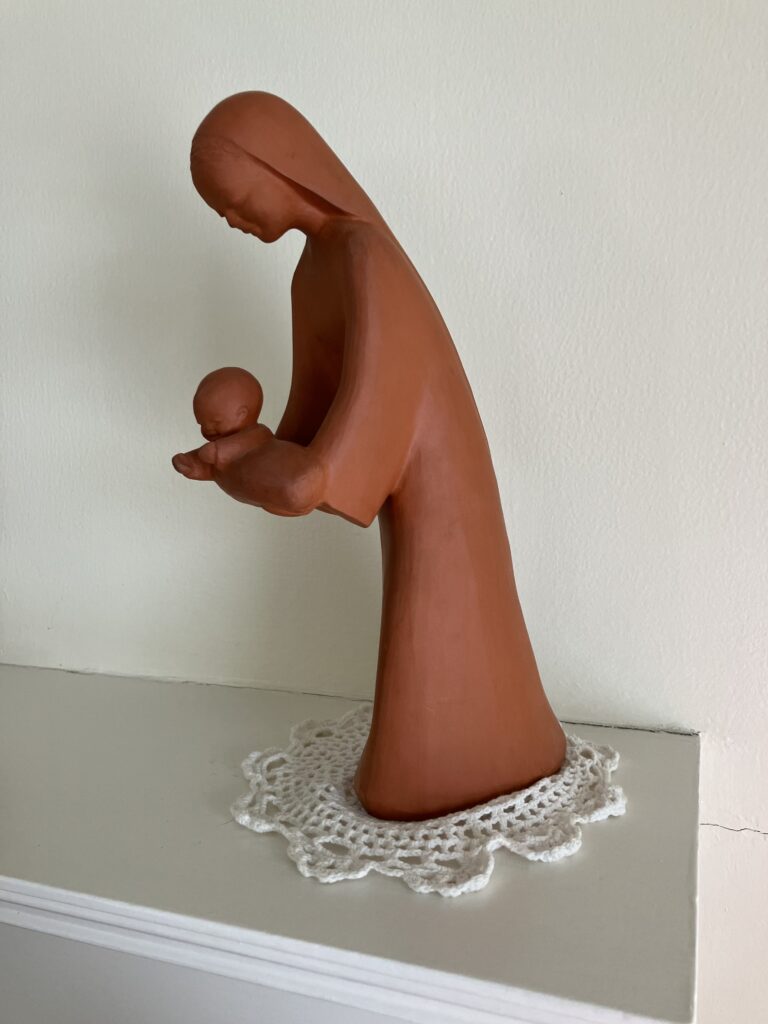
The schedule. I was up about 5:00 every morning (what can I say? I’m a morning person even on retreat…) I was in bed about 10:00, usually very tired. Praying can wear you out! The day was filled mostly with times for prayer. For breaks, I journaled, worked crossword puzzles and sudokus, exercised, and listened to my classical music station. During my meetings with Gary, I shared the “fruits” of my prayer as well as my struggles. He’s an excellent listener and reflected back to me what he was hearing me say. We had some good sharing. Then together we would decide how I might proceed.
Names of God. Perhaps the theme of my retreat was “My name for God.” I didn’t come up with a specific name for God–like Tom, Dick, or Harriet. My names were images or metaphors of God. I ended up with about seven images. I’ll say a word about three of them.
God as my playmate. You might think this first image is irreverant. But it’s based in scripture where Jesus says we must become as little children to enter the heavenly kingdom. I recalled that some theologian somewhere said we may not all be six-year-olds in heaven, but we must have the spirit of a six-year-old! I also remembered God’s words to St. Teresa of Avila: “Enjoy me!” I wondered, how might I enjoy God more–especially in my prayer?
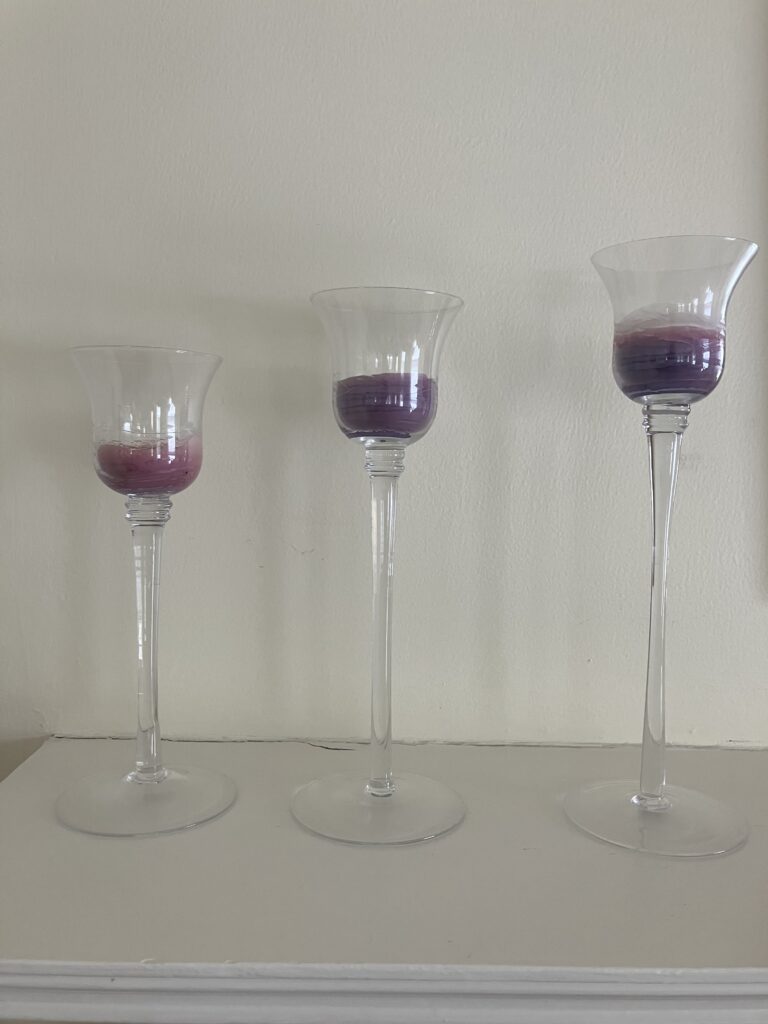
God as my shepherd or farmer. I didn’t have to invent all my metaphors of God; the bible is filled with them. So I chose the image of shepherd because I love Ps. 23 so much. But I really don’t have much first-hand experience with shepherds or sheep (although I did spend a morning of prayer once inside a friend’s sheep barn with her ewes and new lambs!) But my father, a tool and dye maker by trade, made farming his hobby when he and Mom bought our small 22-acre farm. And I had a lifetime of personal experience with my dad as farmer. So I drew upon those experiences to connect with God as MY farmer in prayer.
God as my ice-dancing partner. I started ice-skating when I was about 4 years old. I hung up my skates in my late 50’s. That was a hard letting go for me. I have always been interested in figure skating–especially my favorite kind: ice-dancing! In my prayer, I began with the image of God as my wrestling partner–based on Jacob’s experience of wrestling with an angel–or, as some suggest, with God himself. I still like that image because I think some of my prayer times are wrestling matches with God. But I wanted a prettier image–like dancing with God. And I concluded: there’s no dancing more beautiful than ice-dancing! In ice-dancing, the two skaters must know each other intimately… they must trust each other implicitly… and they must work so closely together they almost become one as they produce their magificent dance. There was much to ponder using this image of my relationship with God.
When I looked back over my seven images or metaphors for God, I noticed that all were relational–and between two living beings. I didn’t say, for example, God is my rock or my shield or my heavy winter coat with deep pockets and a hoodie. No, all my metaphors were alive and dynamic–just as I wanted my relationship with God to be.
I’d like to say a few words about the picture below:
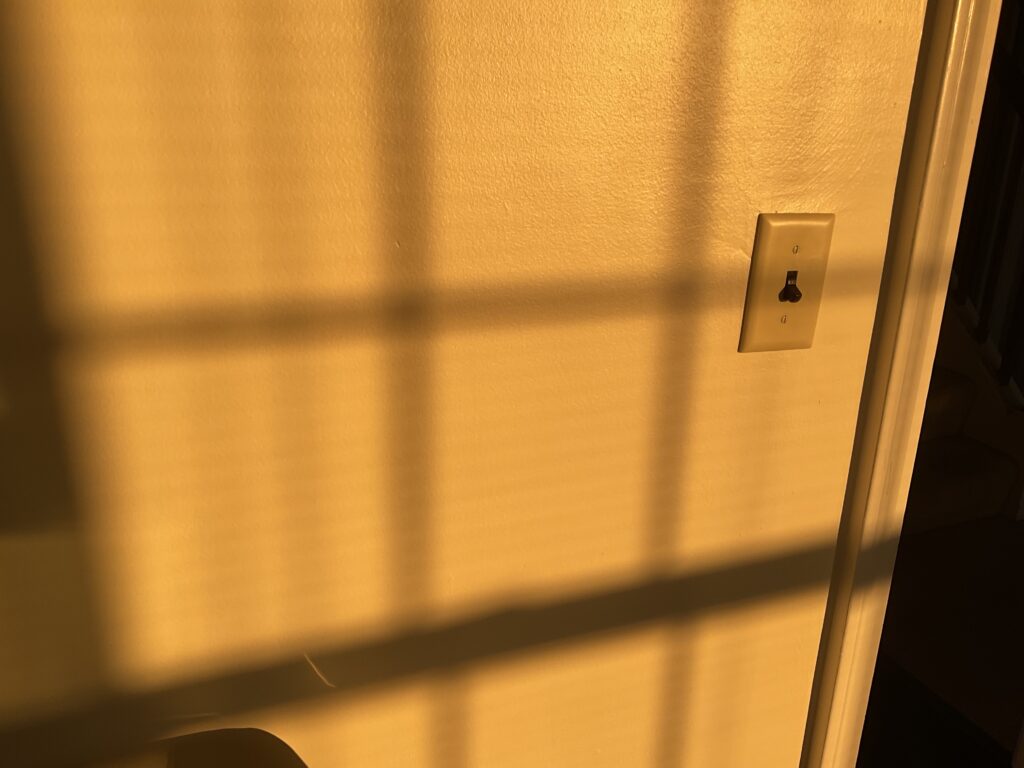
Gary and I conversed about many other things as well. Even though I believe God’s providence has put me in this particular time in history, I sometimes get depressed and angry with things and situations I see as wrong, unjust, and hateful that cause unbelievable pain and suffering for so many people. Gary reminded me of what St. Ignatius said: God is laboring in our world, in our times. Do I really believe this? If so, then my prayer becomes less about begging God to fix all the wrongs in our world and more about asking God how I might join with God in directing the course of the world toward ever greater unselfish loving. Starting with myself.
Reflection questions:
Did anything touch you in this reflection? If so, what?
Do you have any favorite “names” for God, that is, images or metaphors for God? Would you like to share one or two with us below?
If you have made a retreat or a day of recollection, what do you remember most from that experience? Would you like to share it below?
How do you pray?

Wishing you all a very Happy New Year,
one filled with love, peace, goodness, joy,
courage, prayerfulness and hope!
I often use music during my prayer–especially during retreat. Although I use many specifically religious songs, I also like to use so-called “secular” songs too–especially good old-fashioned love songs. Here’s one of my favorites, “You Needed Me” sung by Canadian Anne Murray. I use it to remind me that, in a real sense, God does need me. And God’s action in my life is very similar to the actions described in this song: “You held me up… you gave me dignity… I sold my soul, you brought it back for me… You gave me hope… you even called me friend.”
I invite you to share a comment below–about the reflection, the pictures, the questions, the song… My readers and I really enjoy reading the comments each week!