“The Ruthless Elimination of Hurry” by John Mark Comer – part I

I just finished reading a fascinating book entitled “The Ruthless Elimination of Hurry.” (I want to thank Jen for her enthusiastic recommendation.) The book was so good, I had to exert great self-control NOT to hurry through it! The author, John Mark Comer, was the pastor of a huge mega-church in the suburbs of Portland, Oregon. By most metrics, he was highly successful: church size, book sales, speaking invitations, social status. But his marriage was more “duty than delight.” His kids avoided him, because they knew he was “wedded” to his job, his church. And at age 30, he was always “stressed out, on edge, and quick to snap at people.”
One day he paused long enough to ask himself these two questions: “Is this the way of Jesus?” And, “Who am I becoming?” He sought advice from wise people who were “emotionally alive and spiritually healthy” amid the “chaos of the modern world.” What was their secret, he wondered? One of the wise persons was Dallas Willard, a philosopher at the University of Southern California. When Willard was asked, “What must I do to become the person I want to be?” he replied, “You must ruthlessly eliminate hurry from your life.”

Corrie ten Boom, a holocaust survivor and Christian writer, said that if the devil can’t make you sin, he’ll make you busy. Says Comer, hurry, sin, and busyness all have the same effect–they can “cut you off from connection to God, to other people, and even to your own soul.” That doesn’t mean all busyness is bad. Jesus himself was busy. But the problem is when you have too much to do and “the only way to keep up the quota is to hurry.” Comer believes our constant hurriedness is “anti-Christ.” Why? Because the highest value in God’s kingdom is love. And as all parents, lovers, and friends know, “love is painfully time consuming.”
Comer sought counseling and eventually resigned as the CEO of that mega-church. He then became pastor of a single church in the inner city. That drastic change, he says, saved his marriage, helped him to establish a real relationship with his kids, and restored his energy to serve the members of his church with love, enthusiasm, and joy. The first step in eliminating the hurry in our lives is to acknowledge that there is a problem. One chapter that helped me to see the problem more clearly was entitled “A Brief History of Speed.”

Humans did not always live at our current frenetic pace. In 200 B.C. the sundial was invented. People complained about this “new technology.” (People tend to complain about any new technology.) They said the sundial cut the day “wretchedly into small portions” (later called hours.) Then, in the sixth Century, St. Benedict organized the monastery around seven times of prayer each day. By the 12th Century, the monks invented a mechanical clock to call the monastery to prayer at specific times. The year 1370 ushered in the first public clock tower in Cologne, Germany. Before that, time was more natural. When the sun came up, you got out of bed. When the sun went down, you went to bed. Now the tower clock bonged every hour of the day. Then in 1879 Thomas Edison invented the light bulb which made it possible to stay up past sunset–and to get up long before dawn. Here’s a shocking fact: Before the light bulb, the average person slept eleven hours a night!
Then came all our “labor saving devices” such as toasters, washing machines, microwaves, and fast food that were supposed to save us time. So what did we do with all that time we saved? Says Comer: “we spent it on other things.” But the epitome of labor saving devices came into being in 2007, the year Steven Jobs introduced the iPhone to the world. The iPhone put the internet into our pockets! Recent studies show that the average smartphone user touches his or her phone 2,617 times a day and is on that phone 2 1/2 hours over 66 sessions a day. Another study showed that younger users are on their phones twice that amount. Other studies have revealed these alarming trends. In 2000 our human attention span was 12 seconds. Now it’s dropped to nine. Adult humans, however, are still capable of “sustained focus” for about 60 minutes in certain contexts. Another alarming trend: Psychologists tell us that the vast majority of Americans’ relationship to their phones falls under the categories of “compulsion” or “full-addiction.”

So, how do you know if you have the so-called “hurry sickness,” that is, a malaise identified by cardiologists in which a person feels chronically anxious, continuously rushed, and short of time. Comer gives 10 signs. Here are 5 of them: Irritability: You get annoyed, frustrated, and mad very easily. Daily things irk you. People have to tiptoe around you. You live with an ongoing low-grade anger. Restlessness: When you try to slow down and rest, you can’t relax. If you go to bed early, you toss and turn. If you watch TV, you are simultaneously checking your phone or folding the laundry. Your mind is always hyped up. Workaholism or nonstop activity: You don’t know when to stop–or worse yet, you can’t stop. You have an obsession with getting things done. By day’s end you have nothing left to give your loved ones. Emotional numbness. You don’t have the capacity to feel another’s pain. Or even your own pain. Empathy is a rare feeling for you. When you’re too exhausted to do what’s really life-giving for you, you turn to “distractions of choice”: overeating, overdrinking, binge-watching, gambling, surfing the net, browsing social media.” Isolation: You feel disconected from everyone; yourself, others, God. Even if you try to sit with God or to be with friends, you’re also on your phone or a million miles away in your mind.
So what is the solution to the problem of trying to live our lives at such a frenetic pace? Does our Christian faith offer us any help? The answers to those two questions will be explored in next week’s blog. Until then, have an unhurried week!
For reflection:
Do you ever feel you are being asked to do more and more things with less time?
Do you have a smartphone? How would you describe your relationship with your phone: compulsive, an addiction, other? How often do you touch your phone on a given day? Why not keep track for a day? Have you ever “fasted” from your phone for a period of time? Explain the circumstances. How did it make you feel?
Do you drive the speed limit? Why or why not?
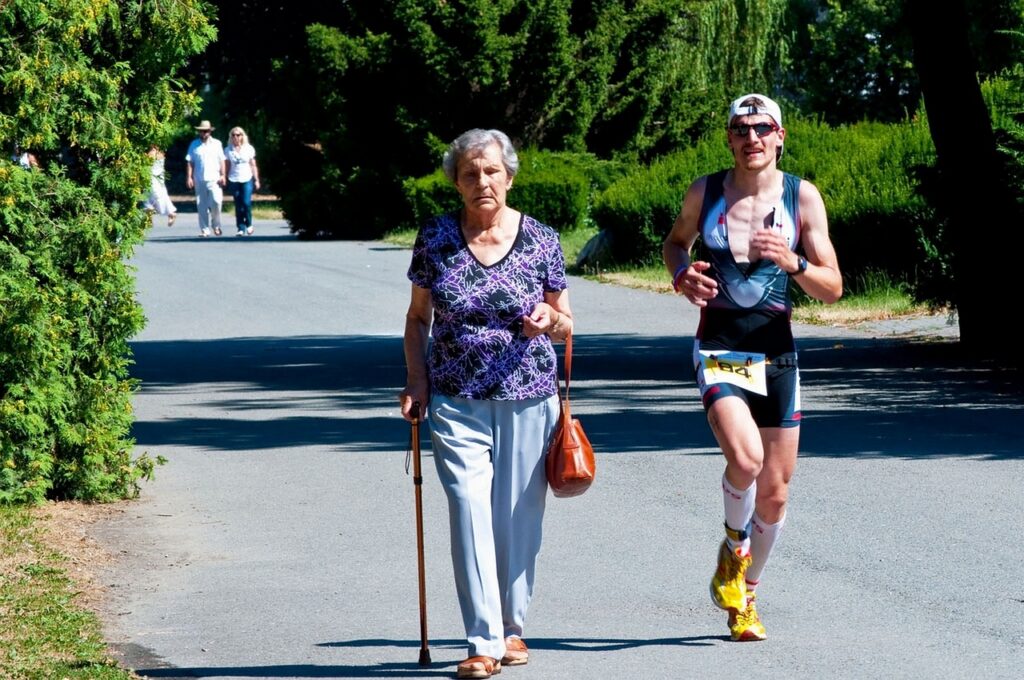
Any thoughts on the last picture above?
P.S. A good friend of mine, Sue, took this photo of a pileated woodpecker at her birdfeeder on her backyard deck. He and his mate take turns at the feeder. They fly in from across the road, so Sue suspects that’s where their nest is. If all goes well, they’ll raise their young (from egg to independence) in 4 months… Life goes on as usual for our feathered friends… They are an example of resilience, courage, and dedicated care for the next generation… There are no headlines calling our attention to them… Maybe there should be… Some facts: these birds are BIG: 19 inches long; wing-span of nearly 3 feet. They mate for life. They “drum” their beaks 20 times per second. Their built in “brain cushioning” prevents concussions. They carve a new nest in dead trees, allowing other animals (owls, squirrels, bats, other birds) to use their previous holes… I hope you can pause and enjoy “Woody’s” beauty! Thanks, Sue, for sharing this lovely picture with us!

Our song today is appropriately called “Slow Me Down” by Grapevine Church. It is a beautiful prayer addressed to our Good Shepherd, our Good Friend.
(Remember, I am recommending only the video I have selected below, and not necessarily the other ones that pop up after my video ends.)
I invite you to write a comment below.
The Story of Three Holocaust Babies
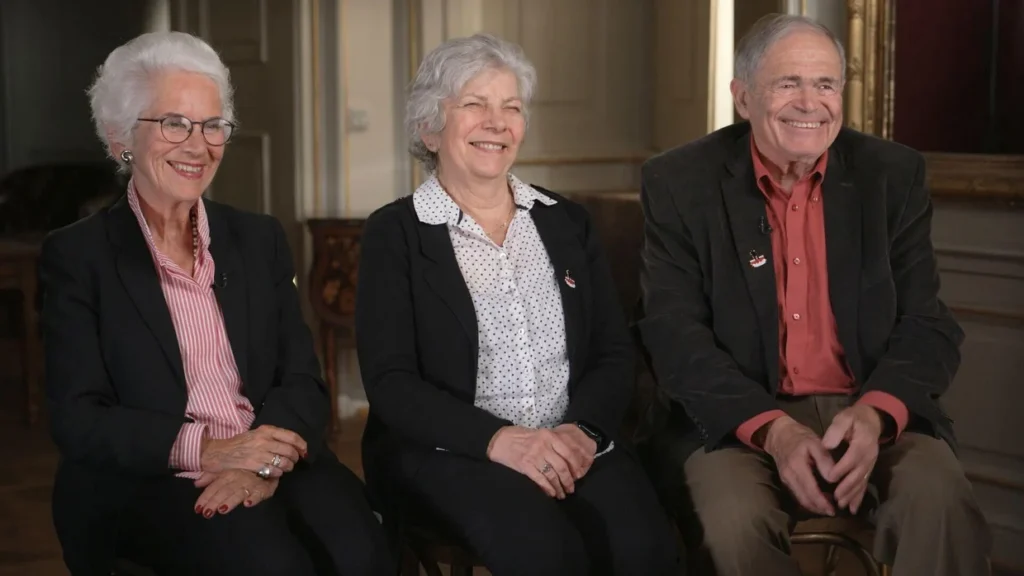
The show “60 Minutes” aired a program a couple of weeks ago that touched me deeply. It was entitled, “Three Holocaust Babies.” Leslie Stahl was the narrator. The 26-minute segment tells the incredible story of three pregnant Jewish women who were shipped to Auschwitz. The camp was so huge and tightly controlled, they never met. Pregnancy meant immediate death. But all three managed to hide their pregnancy and eventually give birth in the waning days of the war. Miraculously, all three babies survived and, at age 65, they met for the first time at a commemoration of the 65th anniversary of the liberation of the death camps. The picture above shows the three “babies” today at age 80.
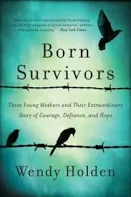
The full story of their survival can be found in Wendy Holden’s best selling book Born Survivors: Three Young Mothers and Their Extraordinary Story of Courage, Defiance, and Hope. I am offering the CBS video for your reflection today. The story reminds us of the horrors of World War II–more specifically, the brutality of the Nazi Regime. It is not easy to watch. At the same time, the story highlights the unbelievable courage, love, and hope of ordinary people during unspeakable sufferings. Despite unimaginable evil, the sparks of human goodness somehow managed to survive–and prevail.
Here are two pictures from the story:
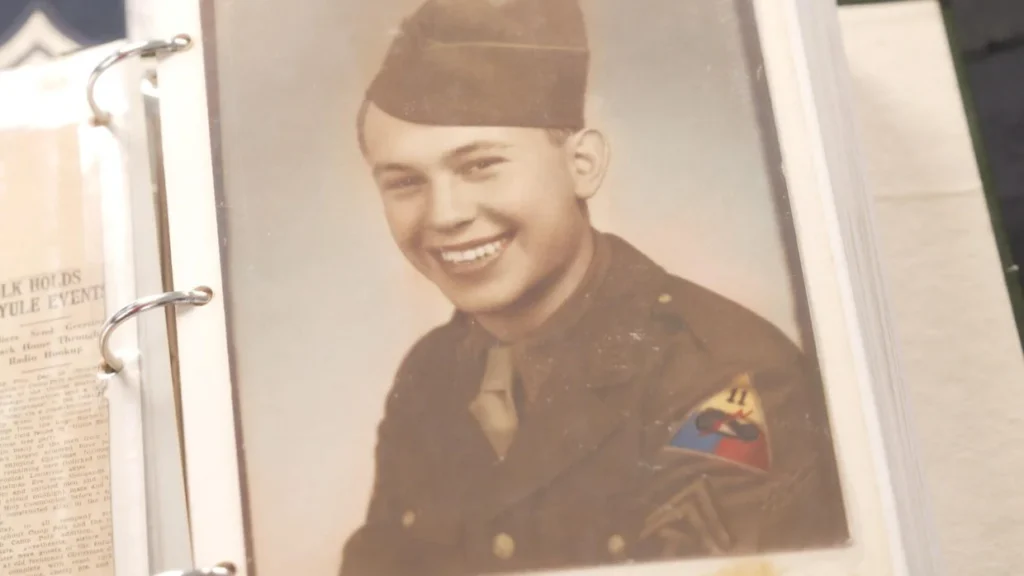
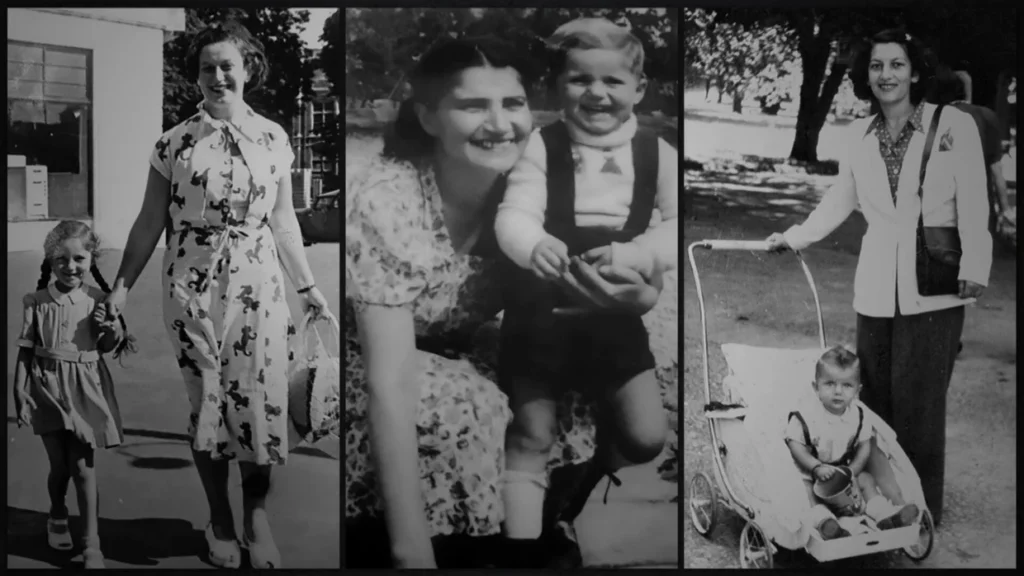
Here is the video:
Reflective questions:
What were some of your feelings and thoughts after viewing this video? Even one or two words might be enough.
Did any picture, comment by the three survivors, Pete Peterson’s story, or specific details stand out for you? Would you like to share one or two with us below?
What helped Pete Peterson “overcome” his PTSD?
When Mark, as a young boy, tells his mother what he wants to do to Germans when he grows up, what does his mother say to him?
What were some of the “miraculous” events or “coincidences” that made it possible for all three mothers and babies to survive?
Do you think the current adult population in today’s world has the same kind of strength and courage that the generation of the Great Depression and World War II had? Remember that journalist Tom Brokaw called that U.S. generation “The Greatest Generation.” Do you think that’s true?
Does this story have any important messages for us living in today’s world?
Did anything give you hope in this story?

I encourage you to add a comment below. I’d love for us to share our thoughts about this extraordinary story.
“Gird Your Loins”

Today we’re going to have a short lesson on a phrase found many times in the Bible: “Gird your loins.” Before sending Jeremiah to be a prophet, God tells him, “Gird your loins” (Jer. 1:17). God also tells Job, “Gird your loins like a man” (Job 38:3). These examples are addressed to men. But when the Book of Proverbs describes the ideal wife, it says, “She girds her loins with strength, and makes her arms strong” (Pro. 31:17). And even Jesus says to his disciples, who were both men and women, “Gird your loins and light your lamps” (Lk. 12:35). What exactly does this mean?
First, we must ask what the word “loins” means. The loins are the lower back and waist area, the symbol of a person’s strength and power. But the word loins were sometimes equated with “the seat of procreation.” When the Bible talks about “the fruit of his loins,” it is referring to the man’s descendants.
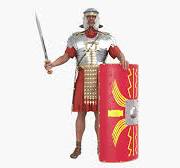
Another historic fact is this: in ancient times men did NOT wear pants. They wore robes, long tunics, and even short skirts. (Digression: as a little girl, when I saw my first picture of Roman soldier, I asked, “Why is he wearing an ice-skating skirt?”) I eventually learned Roman soldiers wore short “skirts” to be ready for battle at all times and to have greater agility when engaged in battle. (Digression #2: The oldest known use of pants occurred in China about 1300 B.C. when nomadic horsemen donned them for greater comfort while astride a horse and for greater dexterity in battle. Trousers didn’t become common in Europe until the 17th Century. Their warmth, praticality, and comfort eventually made them appealing even to women. But women wearing trousers was usually “taboo” until the 20th Century. In the 1950’s my mother wore a “house dress” even when working outside on the farm. But eventually she began to wear slacks and even jeans (how scandalous!)
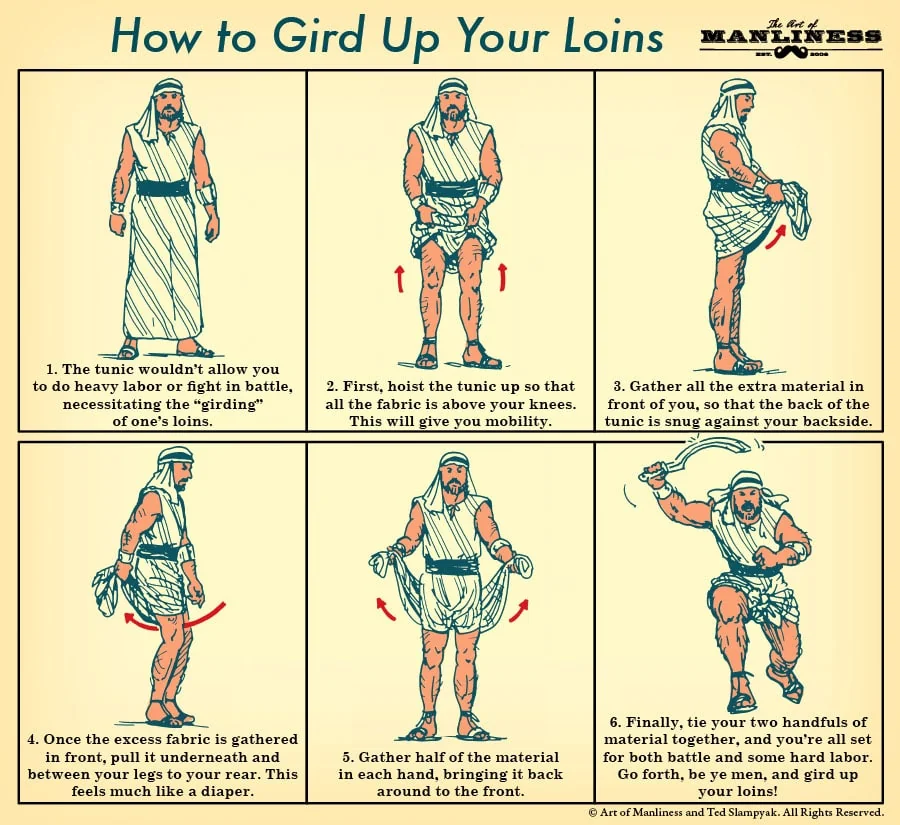
How did a man gird his loins? The drawings below and the simple commentary explain exactly how. (I am grateful to the website, “The Art of Manliness” for giving me permission to use this on my blog. You might want to check out their website. Its stated purpose is “to help men become better men” in all aspects of their lives such as character, career, relationships, fitness, and others. They post some very worthwhile things!)
Now, what does this have to do with us–both Christian men and women–living in the 21st Century?
The phrase “gird your loins” means get ready … for work… for battle.
We must get ready each day to live our Christian discipleship. How do we do this? First, through our prayer, that is, our daily conversing with our Beloved God. I know some people who, as they get out of bed each morning, make the sign of the cross. Some even add, “Here I am, Lord, I come to do your will.” This is like saying, “Here I am, Lord, reporting for duty.” We also prepare ourselves by pondering scripture on a regular basis as well as reflecting on the people and circumstances in our personal life and in the larger world around us. (I imagine most of you who read this blog, read it because you are looking for strength and encouragement to live your discipleship with Jesus.)
We get ready to work. Our Christian faith involves work. God might not say to us, “Gird your loins.” But maybe God might be saying, “Roll up your sleeves, I have a job for you.” And that job can take many forms. This Lent we might ponder what “job(s) or work(s)” God is calling us to do. Maybe it means focusing more attention on our spouse, our children or grandchildren, an elderly parent, a lonely neighbor, our friends. Maybe it means renewing ourselves as a generous care-giver, or helping at our parish or in our neighborhood. Maybe it means getting involved in a current social issue that stirs our heart. Or it may mean to be more patient, kind, courageous, honest, hopeful. And sometimes the “work” God is calling us to do is to “come aside and rest awhile,” that is, to take some time off, relax, and have some fun.
We gather our strength and our power. Strength and power come in many forms. At times it means athleticism, that is, being able ro run fast or to engage in arm-wrestling contests as the first photo shows. But strength and power can also mean: being patient… being sensitive… listening attentively to others… giving someone a second chance. Paradoxically, being strong can also mean being tender.
Let us pray: Loving God, living our life of faith is not easy. It makes daily demands on us. Please make us more sensitive to your calls in our life. Help us to gird our loins, to roll up our sleeves in order to serve you and other people with greater readiness, strength, and joy. Amen.
For reflection:
Did any part of today’s reflection stand out for you today?
Do you begin your day with any short prayer or ritual to God?
Have you ever had the experience of God calling you to do a particular work or task? How did you hear the call? What was the work or task God was calling you to do?
What are some ways you gather your strength to live your Christian discipleship each day?
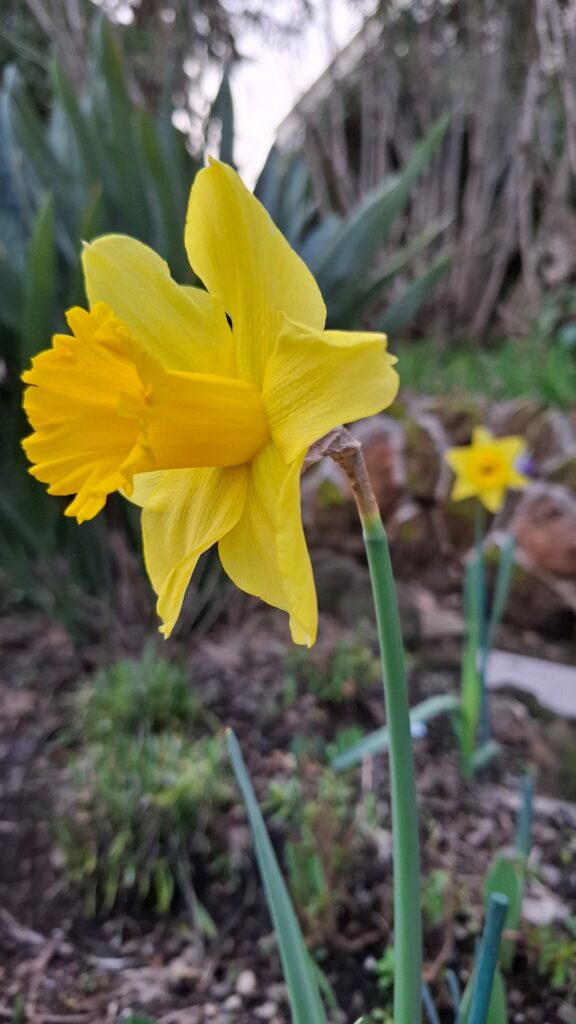
PS: Last week I gave a zoom presentation to our Sisters at our Motherhouse in Rome. What a privilege that was! There were about 20 Sisters from all over the world in the room, many of them younger members of our international congregation. I mentioned it was still cold in northeast Ohio with snow still covering the ground. But they told me it was 57 degrees in Rome and the daffodils were out. Afterwards, Sister Lori Inez from Brazil sent me some pictures of the motherhouse flowers. I wanted to share this single Roman daffodil with all of you! Remember: the beginning of Lent is a sure sign that Easter is on its way!
Our song today is “God Gives Me Strength” produced by Music Magic Hymn. This gentle song is composed of inspiring Biblical verses which I found consoling. When God invites us to a specific work or action, God supplies the strength.
I look forward to reading your comments below!
A Lenten Reflection: A Chapel and a Cross
This Wednesday is Ash Wednesday, so I wanted to do something with a Lenten theme. That’s when I decided to reach out to my friend, Sister Kathleen Glavich, SND, a well-known writer and fellow blogger. A while ago she posted a reflection on her blog (“Catholic Faith Corner”) about the chapel here at our SND Center in Chardon. I had been thinking about writing a blog about our chapel, but when I saw hers, I thought, “I’ll just steal it!” The video she chose for the end of her reflection is on Westminster Cathedral’s Great Cross. I was really moved by the description and history of this magnificent cross! I thought both our SND chapel and the Great Cross would be a beautiful meditation for Lent! But I didn’t have to steal Kathleen’s reflection. She gave me permission to use it on my blog. I hope you enjoy the tour of our chapel with its beauty and rich symbolism. And I hope you enjoy the artistic genius of the artist who fashioned Westminster’s Great Cross.
(NOTE: Kathleen has many pictures of our chapel. One is of our choir singing at Easter. If you look very carefully, you’ll see both Kathleen and me. We are the two-dark haired Sisters in the front row. She’s the the second one on the left, I’m the third one on the right.)
NOTE: after you finish watching the video, come back to MY blog by clicking the arrow on the top left. If you wish to comment, write your comment below on MY blog. Here are my reflection questions for her blog and the video on the Great Cross:
1. Did anything stand out for you in Kathleen’s description/pictures of our chapel?
2) Do you have any thoughts or feelings about Westminster Cathedral’s Great Cross or the artist who fashioned it?
3) Are there any aspects of your own church or chapel that you especially appreciate? Why?
Here is Kathleen’s blog. Just click on the picture.
Churches and an SND Chapel to Explore
The 14th Anniversary of My Blog

This week is the 14th anniversary of “Sunflower Seeds.” It was on February 13, 2012 when I posted my first reflection, and waited nervously to see if anyone would read it–besides a few of my friends. To mark this anniversary, I am giving away five free copies of my latest booklet, Walking with Mary through Light and Darkness. Thank you to all who entered the contest last week. Here are the lucky winners. Drum roll, please!
- Liz from Waynesboro, VA – she’s been reading this blog for about 2 years. She said she was “thrilled and grateful” to be a winner and added, “I need help from our Mother Mary to walk through light and darkness.”
- Mary P. from Whitestone, NY – years ago she used to read my column in Praying magazine (no longer in existence.) She wrote me a “fan letter” back then and I responded to her. She added, “In my entire life I wrote only two fan letters: one to you and one to a Mets player I had a crush on when I was 12!” Mary has been reading this blog “from the very beginning.”
- Sr. Josita DiVita, FDC from Staten Island, NY – when she saw how many readers had entered the contest, she thought, “No way will I win!” Several years ago she attended a presentation I gave at Georgian Court in Neptune, NJ. She’s been a reader of “Sunflower Seeds” from the beginning and “always looks forward to Mondays.”
- Celeste Hebert from Lafayette, LA – has been reading this blog for several years. Lately she’s been facing several “life challenges” and she hopes the Mary booklet will help her “find the peace I need.”
- Alice Fornuto from Greece, N.Y. – learning she was a winner was “a delightful surprise on a terribly winter day,” Alice said. She has not only been a reader of this blog for several years, she also forwards “Sunflower Seeds” to about 20 of her friends every week.
About 180 readers entered the contest–about 169 from the U.S. and 11 from other countries: Australia 3, Canada 6, Indonesia 1, Taiwan, 1. Entries came from 33 different states: Alabama 1, California 3, Florida 9, Georgia 2, Idaho 1, Illinois 11, Indiana 3, Kansas 2, Kentucky 6, Louisianna 2, Maine 1, Maryland 3, Massachusetts 4, Michigan 4, Minnesota 6, Missouri 7, Nebraska 2, New Hampshire 2, New Jersey 6, New York 8, North Carolina 5, North Dakota 1, Ohio 15, Pennsylvania 13, Rhode Island 1, Texas 10, Utah 1, Virginia 4, Wisconsin 7. (Some readers didn’t identify their state or country. Or they entered the contest by clicking “contact” at the top of the page. That’s why I don’t have an exact number.)
Today I’d also like to answer some questions I am sometimes asked about my blog. I’ll conclude this reflection with a short prayer.

What made you decide to write a blog? It was the strong urging of my friend, Sr. Susan Wolf, SND. She was already writing a blog “Catholic Web Solutions,” a blog to help parishes, religious congregations, and other groups to use the internet more effectively for mission. She said many people were searching the internet for encouragement for living their Christian faith. She thought I could provide a “service” for such people. I was hesitant. She was persistant. I finally said, “Okay, I’ll give it a try.”
Did you have any fears or misgivings? Yes, definitely! First, just learning the mechanics of posting a blog was a BIG learning curve for me. I am no computer whiz. I reached out for help. Second, I wondered if I would run out of things to write about after a few months. Third, I worried about finding time to write a blog every week amid my other writing and speaking commitments.
What were your first blogs about? I began by explaining why I chose the name “Sunflowers Seeds.” My second post was a Lenten reflection. My third, “The Love of Books.” The fourth was about all the warning labels on products that tell owners what to do or what not to do–like the warning label on the baby stroller that says, “Remove child before folding.” But my fifth post took a terrible turn… for on February 27, 2012 there was a shooting at Chardon High School. Three boys were killed and one boy is in a wheelchair for life. I was at Mass that morning as the shooting was actually happening across the street from our church. I had just smiled and waved a sign of peace to Phyllis across the aisle from me. Later I learned one of the boys killed was her son…. If you want to read that post, just enter “Shooting at Chardon High” in the search box at the top right of this page. That fifth post reminded me that some reflections would emerge from awful events and the agonizing pain of others–and my own pain.
Where do you get all your ideas for things to write about? Everywhere! My personal prayer, scripture, all my reading, conversations, the news, movies, TV shows (especially on PBS), asking people questions, the people I meet while giving talks or retreats, my friends who say, “Hey, Melannie I have an idea for your blog,” my own struggles and joys, and observing things like trees or traffic or snowplows or people going up to receive Communion or children at McDonald’s or using my library card or watering my African violets or getting suggestions from my readers. (hint! hint!)

How long does it take you to write one blog? It depends. Sometimes maybe only an hour or two. But other times, longer. Much longer. I don’t keep track of how long I work on a blog, because I think it would discourage me. Sometimes, the writing might go easily, but then it takes me a long time to find the “right” pictures or the “perfect” song. But all that seeking is not time wasted. The seeking itself can nourish my soul or even lead me to topics for future blogs!
If writing your blog is often a lot of hard work, then what motivates you to keep doing it? Three things. One: I love my life and my Christian faith. I write out of gratitude for these two precious gifts. Two: I basically like to write. In fact I feel close to God when I write. I enjoy hanging out with words and wrestling with them to find the “best” way to say what I am trying to say. And three: I love my readers! If I had NO readers, I would end this blog and use my time for some other worthwhile endeavor.
Of all the blogs you’ve written, do you have a favorite one? The short answer is “no.” The longer answer is I am particulaly fond of some blogs because of the topic itself (like St. Joseph, prayer, the octopus, Abe Lincoln, the Mayo Clinic, and cinnamon), because of all I learned while writing it (like the sun, A.A., and the recent one on praying with your DNA), because of the fun I had writing it (like all the humor ones), because of the incredible writing of other authors I refer to (like in the book reviews and the quotations from my vast collection of quotes.) These three posts tend to stand out for me too: “A Kitchen Is a Holy Place,” “War and Peace,” and “Acceptance Speech for the Gift of Life.” When I finished writing these (and some other ones too), I found myself saying, “Where in the world did that come from?” I felt I had been (in the words of Mother Teresa) “a little pencil in God’s hand.”
Is there anything else you wish to say? Yes, I would like to conclude with this little prayer of thanksgiving.
Thank you, God, for my blog. Thank you for Susan’s encouragement and for giving me the courage to say “yes” to this important and life-giving ministry. Thank you, too, for the gift of technology that makes this blog possible. I praise you for the marvels of your creation that I am privileged to write about, and for the precious gift of faith that challenges me to ever-greater loving. I praise you for your presence in our past history… I believe that you are alive and active in our present times… and I trust that you will be with us in our future.
But most of all, my Beloved One, I praise and thank you for the readers of this blog. They are all very dear to me–as I know they are very dear to you! I am grateful for their taking the time to read my blog, for their comments, insights, and encouragement. I ask you to bless them and their loved ones with your love and strength. My my readers and I continue to reflect in our lives the gratitude, peace, and joy that come from knowing and loving you. Amen.
For reflection:
Do you wish to comment on anything in today’s blog?
Do you have a particular reflection you’ve read on this blog that you especially liked?
Do you have any suggestions for future topics?
P.S.

Our song today is “Center of My Life” written by Paul Inwood, produced here by Klengs channel. This prayer is based on Ps. 16. It captures the essence of our Christian spirituality: to make God, Jesus, and the Gospel the center of our lives.
As usual, I welcome your comments below!